Chuyên sâu trong lĩnh vực vật liệu rời công nghiệp, cung cấp giải pháp môi trường thông minh tích hợp cho phối trộn tự động, cấp liệu tập trung, khử lưu huỳnh và khử nitơ khô!
When it comes to handling dry aluminum chloride, selecting the right pneumatic conveying system is crucial for efficiency, safety, and cost-effectiveness. A well-designed system ensures that the material is transported smoothly from source to destination without degradation or loss. This article provides insights into the key considerations and steps involved in designing a reasonable dry aluminum chloride pneumatic conveying system, with a focus on practical applications and industry standards.

Understanding the Core Requirements for Dry Aluminum Chloride Conveying
Dry aluminum chloride is a hygroscopic material that requires careful handling to maintain its properties. The design of a pneumatic conveying system must account for several factors, including the material's flowability, dust control, and the need for minimal moisture exposure. These aspects directly impact the system's performance and longevity. For instance, the material's particle size distribution and bulk density are critical parameters that influence the selection of air velocity and system configuration. Proper assessment of these characteristics ensures that the conveying system operates within optimal parameters, preventing issues such as blockages or excessive energy consumption.
Key Design Elements of a Pneumatic Conveying System for Aluminum Chloride
The foundation of any effective pneumatic conveying system lies in its design components. For dry aluminum chloride, the system typically includes a hopper, a rotary airlock feeder, a conveying line, and a receiver. Each component plays a vital role in the overall process. The hopper is designed to store the material and maintain a consistent feed rate, while the rotary airlock feeder ensures a controlled discharge of the material into the conveying line. The conveying line, often equipped with bends and straight sections, must be sized appropriately to handle the material's flow characteristics. The receiver, where the material is deposited, should be equipped with dust collection systems to prevent environmental contamination. These elements work in tandem to create a seamless conveying process that meets the demands of industrial applications.
Material Handling Considerations and Safety Measures
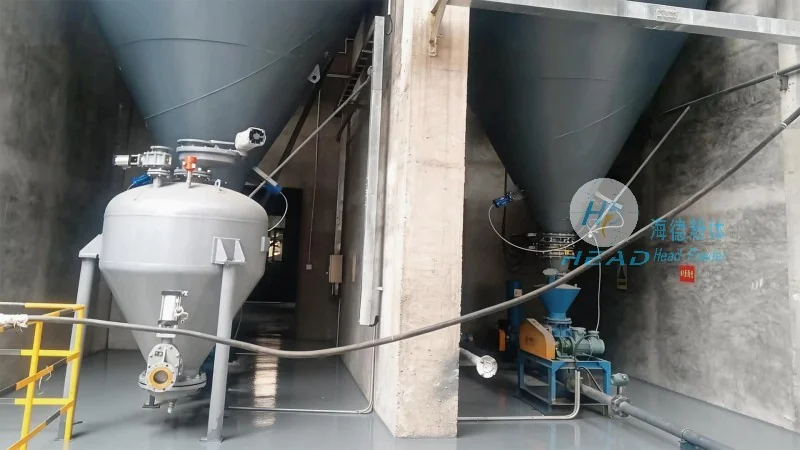
Handling dry aluminum chloride involves specific safety and operational considerations. The material is corrosive and can cause respiratory issues if inhaled, making proper dust control essential. The system design must incorporate features such as dust collectors and explosion-proof components to mitigate these risks. Additionally, the system should be designed to prevent moisture ingress, as aluminum chloride reacts with water to form hydrochloric acid, which can damage equipment and reduce material quality. Regular maintenance and monitoring of the system are also critical to ensure long-term reliability and safety. By addressing these aspects, the system not only ensures efficient material transport but also complies with industrial safety regulations.
Energy Efficiency and System Optimization
Optimizing the pneumatic conveying system for energy efficiency is a key consideration in modern industrial operations. The design should aim to minimize energy consumption while maintaining the required conveying capacity. Factors such as air velocity, system pressure, and the length of the conveying line all impact energy usage. For dry aluminum chloride, using appropriate air flow rates and selecting the right type of conveying line (e.g., positive or negative pressure) can significantly reduce energy costs. Additionally, incorporating features like pulse-jet cleaning for the conveying line and using efficient motors for the air compressor can enhance overall energy efficiency. These optimizations not only lower operational costs but also contribute to sustainable industrial practices.

Case Study: Successful Implementation by Shandong HeadPowder Engineering Co., Ltd.
Shandong HeadPowder Engineering Co., Ltd., a leading provider of material handling solutions, has successfully implemented dry aluminum chloride pneumatic conveying systems for various clients. The company's expertise lies in tailoring systems to meet specific operational needs, ensuring that each project is customized to the client's requirements. For example, one project involved designing a system for a chemical plant that required transporting dry aluminum chloride over a distance of 100 meters. The system was designed with a rotary airlock feeder and a high-efficiency dust collector, which ensured minimal material loss and compliance with environmental regulations. The client reported significant improvements in production efficiency and reduced maintenance costs after the system was installed. This case study highlights the importance of professional design and implementation in achieving successful outcomes for dry aluminum chloride conveying systems.
Conclusion: Designing for Long-Term Success
Designing a reasonable dry aluminum chloride pneumatic conveying system requires a comprehensive approach that considers material properties, operational requirements, and safety standards. By focusing on key design elements, energy efficiency, and professional implementation, industries can achieve reliable and cost-effective material transport. Shandong HeadPowder Engineering Co., Ltd. offers specialized services to assist in the design and implementation of such systems, ensuring that clients receive tailored solutions that meet their specific needs. With proper planning and execution, dry aluminum chloride pneumatic conveying systems can provide long-term benefits, enhancing productivity and operational safety in industrial settings.

 Shandong Headpowder Engineering Co., Ltd.
 156-6277-7102(Quản lý Trương)
  0531-83386006
  Thành phố Tế Nam, Tỉnh Sơn Đông, Trung Quốc
Điện thoại
WeChatTư vấn
Lên đầu