

How to Choose the Right Pneumatic Conveying System for Your Rice Husk Handling Process?
When it comes to managing rice husk handling processes, selecting the appropriate pneumatic conveying system is crucial for efficiency, cost-effectiveness, and operational reliability. For businesses in the agricultural and food processing sectors, especially those dealing with rice husk as a byproduct or raw material, the right system can significantly enhance workflow and reduce downtime. This guide will walk you through the key considerations and factors to evaluate when choosing a pneumatic conveying system tailored to your rice husk handling needs.

Understanding the Importance of Pneumatic Conveying for Rice Husk
Rice husk, a byproduct of rice milling, is often used as a fuel source, animal bedding, or in the production of biochar and other value-added products. Efficient handling of this material is essential to maintain productivity and ensure that the material is transported safely and effectively from one stage of processing to another. Pneumatic conveying systems offer a non-contact, low-maintenance method of transporting bulk materials like rice husk, minimizing product degradation and contamination. By understanding the unique properties of rice husk—such as its lightweight, dusty nature and potential for static buildup—you can select a system that addresses these challenges and optimizes performance.
Key Factors to Consider When Selecting a Pneumatic Conveying System
Choosing the right pneumatic conveying system for rice husk handling involves evaluating several critical factors. The first consideration is the material's characteristics: rice husk is typically light, with a high dust content and a tendency to generate static electricity. This means that systems designed to handle abrasive or dusty materials are essential. Additionally, the system must be able to handle the volume and flow rate required by your processing plant. For example, if your operation involves large-scale rice husk production, a high-capacity system with multiple conveying lines may be necessary to maintain continuous operation.
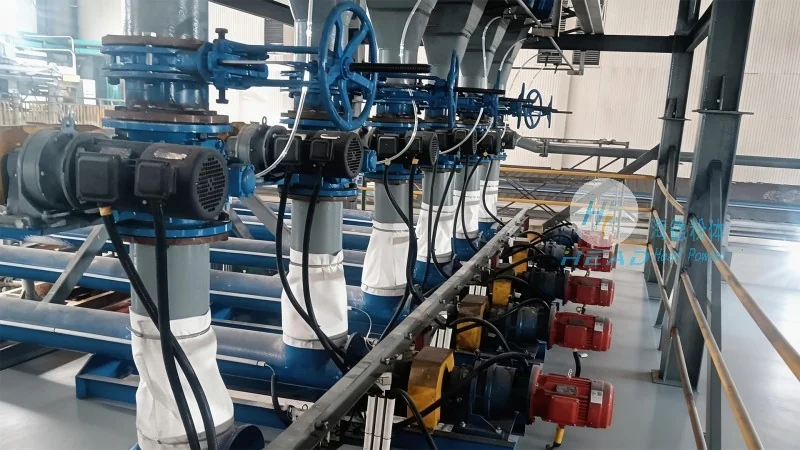
Another critical factor is the distance and layout of the conveying route. Pneumatic conveying systems can be designed for short or long distances, with options ranging from low-pressure, low-capacity systems for short runs to high-pressure, high-capacity systems for longer distances. The system's design must also account for the need to prevent material buildup or blockages, which can occur due to the dusty nature of rice husk. Proper filtration and cleaning mechanisms are therefore essential components of any effective system.
Types of Pneumatic Conveying Systems for Rice Husk
There are several types of pneumatic conveying systems available, each with its own advantages and applications. The most common types include pressure conveying, vacuum conveying, and hybrid systems. Pressure conveying systems use compressed air to push material through a pipeline, making them suitable for long-distance or high-volume applications. Vacuum conveying systems, on the other hand, use a vacuum to draw material into the system, which is ideal for short-distance or low-volume handling. Hybrid systems combine both pressure and vacuum capabilities, offering flexibility for complex conveying routes.
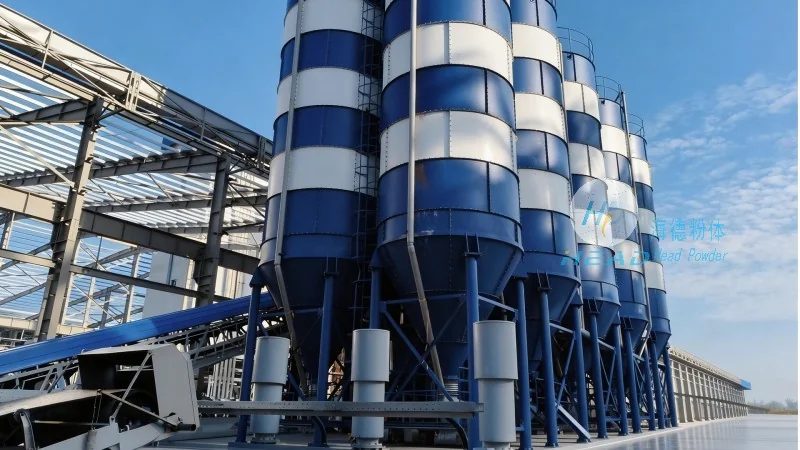
For rice husk handling, pressure conveying systems are often preferred due to their ability to handle high volumes and long distances efficiently. These systems typically use positive pressure to move material through a pipeline, with the air and material separated at the destination. This method is effective for transporting rice husk from storage silos to processing equipment or for moving it between different stages of the production line. Vacuum systems, while useful for cleaning or transferring smaller quantities, may not be as efficient for large-scale rice husk handling.
Customization and Integration with Existing Infrastructure
When selecting a pneumatic conveying system for rice husk, it's important to consider how the system will integrate with your existing infrastructure. Many processing plants have pre-existing equipment, such as silos, hoppers, or processing machinery, that the new system must connect to. A well-designed system will be compatible with these existing components, minimizing the need for extensive modifications or new construction. This not only reduces costs but also speeds up the installation process.

Customization is another key aspect of choosing the right system. A reputable supplier, such as Shandong HeadPowder Engineering Co., Ltd., can work with you to design a system that meets your specific requirements. This may include adjusting the system's capacity, pressure, or layout to fit your plant's layout and operational needs. Customization also allows for the inclusion of features such as material separation, dust collection, and safety controls, ensuring that the system is tailored to your rice husk handling process.
Maintenance and Long-Term Performance
Long-term performance and ease of maintenance are critical considerations when investing in a pneumatic conveying system. Rice husk is a dusty material that can accumulate in system components, leading to blockages or reduced efficiency over time. Therefore, systems with easy-to-clean components and robust filtration systems are essential. A well-designed system will also include features that minimize wear and tear, such as high-quality materials and proper air flow management.
Shandong HeadPowder Engineering Co., Ltd., a leading manufacturer of pneumatic conveying systems, offers systems built with durability and longevity in mind. Their products are designed to withstand the demands of rice husk handling, with components that are resistant to abrasion and corrosion. Regular maintenance, such as cleaning filters and checking for air leaks, is recommended to ensure optimal performance. By choosing a system from a reputable supplier like HeadPowder, you can ensure that your rice husk handling process remains efficient and reliable for years to come.