

How to Choose the Right Pneumatic Conveying System for Your Sodium Silicate Handling Process
When it comes to handling sodium silicate in industrial applications, selecting the appropriate pneumatic conveying system is crucial for ensuring efficiency, safety, and cost-effectiveness. Sodium silicate, also known as water glass, is a versatile chemical used in various industries such as glass manufacturing, detergents, and construction. Its handling requires specialized equipment to manage its flow characteristics and prevent clogging or degradation. This article will guide you through the key considerations for choosing the right pneumatic conveying system tailored to your sodium silicate processing needs.
Understanding the Importance of Tailored Pneumatic Conveying Solutions
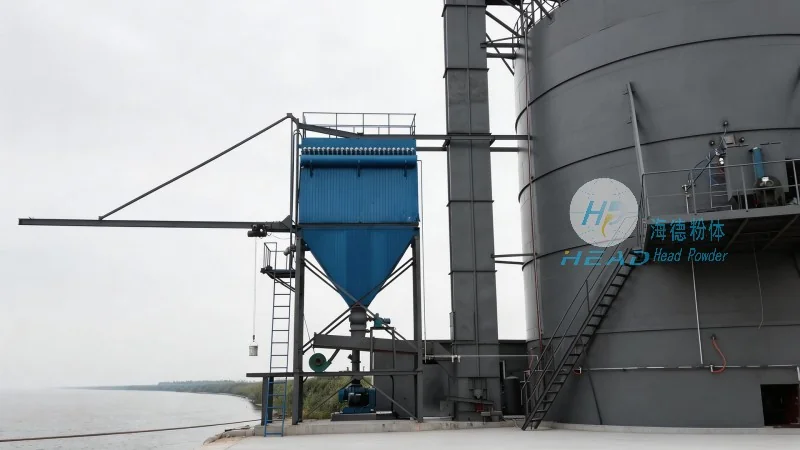
Sodium silicate's physical properties, including its viscosity and particle size distribution, significantly impact the selection of a pneumatic conveying system. Traditional bulk material handling methods may not be suitable due to the material's tendency to stick to surfaces or form agglomerates. A well-designed pneumatic conveying system can effectively transport sodium silicate from storage to processing units, reducing labor costs and minimizing material loss. The choice of system type—whether positive pressure, negative pressure, or a hybrid approach—depends on factors like the distance of transport, the volume of material, and the specific requirements of your production line.
Key Factors to Consider When Selecting a Pneumatic Conveying System for Sodium Silicate
Several critical factors must be evaluated when choosing a pneumatic conveying system for sodium silicate. First, the system's capacity and the required flow rate are essential. The system must be capable of handling the volume of sodium silicate needed for your production schedule without bottlenecks. Second, the distance between the source and destination points influences the choice of system. For short distances, a simple positive pressure system may suffice, while longer distances may require more complex designs, such as a combination of positive and negative pressure stages. Third, the material's properties, including its moisture content and tendency to clump, affect the system's design. Systems with features like in-line mixers or agitators can help maintain the material's flowability. Additionally, the system's durability and ease of maintenance are important considerations, as sodium silicate can be abrasive and corrosive to certain materials.

HeadPowder Engineering: Your Partner in Sodium Silicate Handling Solutions
Shandong HeadPowder Engineering Co., Ltd., based in Shandong, China, specializes in providing customized pneumatic conveying systems for sodium silicate and other challenging bulk materials. With years of experience in the industry, HeadPowder understands the unique challenges of handling sodium silicate and offers tailored solutions that meet the specific needs of each client. The company's team of engineers works closely with clients to assess their production processes, material characteristics, and operational requirements to design a system that maximizes efficiency and minimizes downtime. HeadPowder's systems are built with high-quality components, ensuring durability and reliability in demanding industrial environments. The company's commitment to quality and customer satisfaction has made it a trusted partner for many businesses in the chemical and manufacturing sectors.
Addressing Common Challenges in Sodium Silicate Pneumatic Conveying
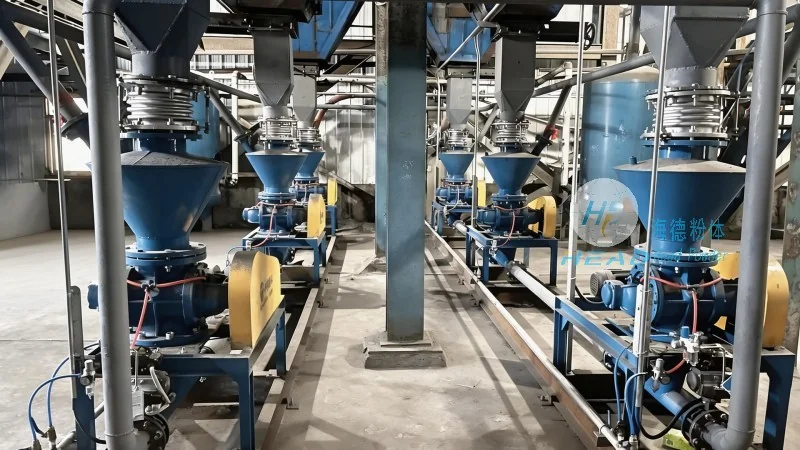
Handling sodium silicate with a pneumatic conveying system can present challenges such as clogging, material degradation, and system wear. However, with the right system design and maintenance practices, these issues can be effectively managed. For example, using a positive pressure system with a high-pressure blower can help maintain the material's flowability by preventing it from settling in the conveying lines. Regular cleaning and inspection of the system components, such as filters and cyclones, are also essential to prevent clogging and ensure optimal performance. Additionally, selecting materials for the system components that are resistant to the corrosive nature of sodium silicate, such as stainless steel or specialized coatings, can extend the system's lifespan and reduce maintenance costs.
Conclusion: Choosing the Right Pneumatic Conveying System for Your Sodium Silicate Process
Selecting the appropriate pneumatic conveying system for your sodium silicate handling process is a critical decision that can impact your operational efficiency and overall success. By considering factors such as material properties, system capacity, and operational requirements, you can choose a system that meets your needs. Working with a reputable company like Shandong HeadPowder Engineering Co., Ltd. ensures that you receive a customized solution designed to handle the unique challenges of sodium silicate. With their expertise and commitment to quality, HeadPowder can help you optimize your sodium silicate handling process and achieve your production goals.