

How to Design a Reasonable Carboxymethyl Cellulose Pneumatic Conveying System Plan?
Carboxymethyl cellulose (CMC) is a widely used chemical additive in various industries, and its efficient handling through pneumatic conveying systems is crucial for maintaining production efficiency and product quality. For businesses dealing with CMC, designing a reliable and efficient pneumatic conveying system is essential. This article will guide you through the key considerations and steps to design a reasonable CMC pneumatic conveying system plan, ensuring optimal performance and cost-effectiveness.
Understanding the Importance of a Well-Designed CMC Pneumatic Conveying System
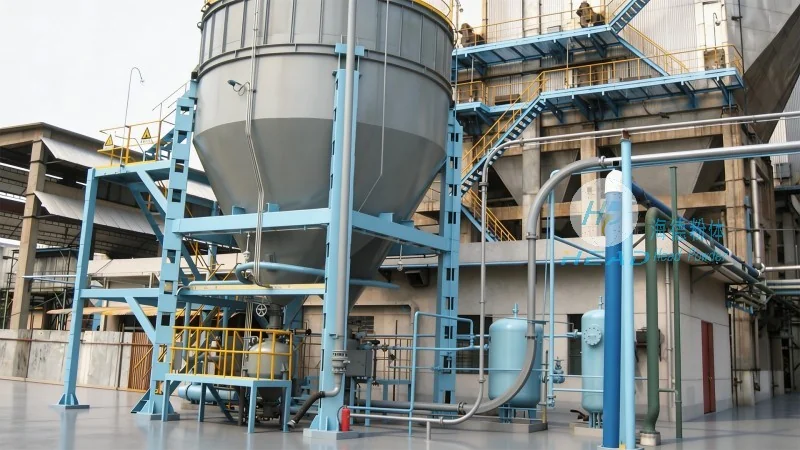
Before diving into the design process, it's vital to understand why a well-designed CMC pneumatic conveying system is indispensable. CMC is often used in powder form, and improper handling can lead to issues such as dust accumulation, product degradation, or equipment damage. A properly engineered system ensures that CMC is transported safely, efficiently, and with minimal loss. This not only enhances operational efficiency but also protects the environment and ensures compliance with safety regulations.
Key Factors to Consider in CMC Pneumatic Conveying System Design
Several critical factors must be considered when designing a CMC pneumatic conveying system. These factors include the physical properties of CMC, such as particle size, moisture content, and bulk density, as well as the system's capacity requirements and the distance over which the material needs to be conveyed. The choice of conveying method—whether it's a pressure or vacuum system—also plays a significant role in the overall design. Additionally, the system's integration with existing production lines and the need for easy maintenance and cleaning should be taken into account.

Step-by-Step Guide to Designing a CMC Pneumatic Conveying System
Designing a CMC pneumatic conveying system involves a systematic approach. The following steps can help ensure a successful design:
Assess Material Characteristics: Begin by thoroughly analyzing the physical and chemical properties of the CMC being handled. This includes determining particle size distribution, moisture content, and bulk density. Understanding these characteristics helps in selecting the appropriate equipment and conveying method.
Determine System Capacity and Distance: Calculate the required conveying capacity based on production needs and the distance the material must travel. This will help in sizing the system components, including the air compressor, conveyor pipes, and collection hoppers.
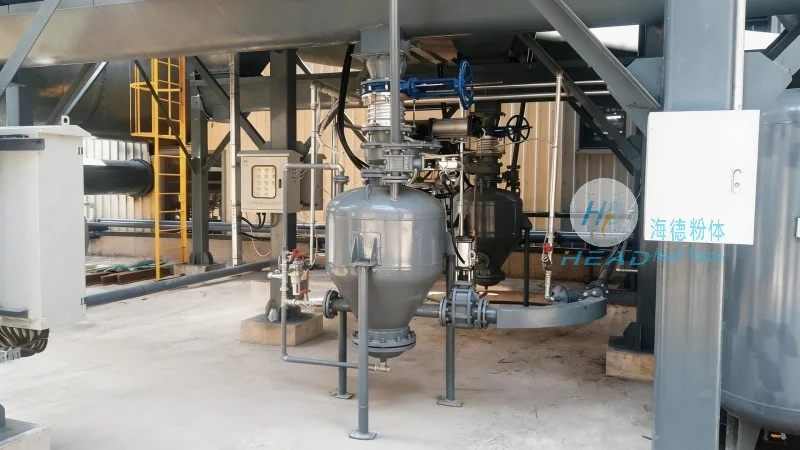
Choose Conveying Method: Based on the material properties and system requirements, decide between pressure or vacuum conveying. Pressure systems are suitable for short to medium distances and high capacities, while vacuum systems are ideal for longer distances or when the material needs to be drawn from multiple sources.
Select Equipment Components: Select the necessary equipment, including the air compressor, material feeders, conveying pipes, and collection equipment. For CMC, which can be sensitive to moisture and temperature, consider using materials that are resistant to corrosion and wear.
Design System Layout: Create a detailed layout of the system, including the placement of equipment, pipe routing, and the location of collection points. Ensure that the layout minimizes pressure drops and reduces the risk of material buildup or blockages.
Consider Safety and Maintenance: Incorporate safety features such as dust collection systems, explosion-proof components, and emergency shut-off valves. Also, design the system for easy maintenance and cleaning to prevent contamination and ensure long-term reliability.
Optimizing Performance and Cost with Proper Design

Proper design of a CMC pneumatic conveying system not only improves performance but also reduces operational costs. By selecting the right equipment and layout, businesses can minimize energy consumption, reduce maintenance costs, and extend the lifespan of the system. Additionally, a well-designed system can prevent product loss and contamination, ensuring consistent product quality. This leads to higher customer satisfaction and a competitive edge in the market.
Conclusion
Designing a reasonable carboxymethyl cellulose pneumatic conveying system requires careful consideration of material properties, system requirements, and operational constraints. By following a systematic approach and incorporating the right equipment and design elements, businesses can achieve efficient and reliable CMC handling. For expert guidance and customized solutions, Shandong HeadPowder Engineering Co., Ltd. offers professional services tailored to meet the specific needs of CMC handling applications. With their expertise in pneumatic conveying systems, they can help businesses optimize their operations and enhance productivity.