

How to Design a Reasonable Glass Fiber Cellulose Pneumatic Conveying System Plan?
When it comes to transporting glass fiber cellulose materials efficiently and safely, a well-designed pneumatic conveying system is essential. Such systems utilize air or gas to move bulk materials through a pipeline network, offering advantages like reduced labor costs, minimized material degradation, and enhanced process control. For industries dealing with glass fiber cellulose, selecting the right system design is critical to ensure optimal performance and longevity.

Key Considerations in System Design
Designing a pneumatic conveying system for glass fiber cellulose involves several key factors that must be carefully evaluated. First, the material's physical properties, such as particle size, moisture content, and flowability, play a significant role in determining the most suitable conveying method. For example, fine glass fiber cellulose particles may require a positive pressure system to prevent clogging and ensure consistent flow. Additionally, the system's capacity and required throughput must align with the production demands of the facility. This includes considering the maximum and minimum material flow rates to avoid underutilization or overloading of the equipment.
Components of a Typical Pneumatic Conveying System
A standard glass fiber cellulose pneumatic conveying system typically consists of several core components. The primary elements include a material feeder, which ensures a consistent feed rate into the system; a conveying line, which transports the material through the pipeline; a dust collector or filter system to capture any airborne particles and maintain air quality; and a receiver or discharge hopper for the final material storage. Each component must be selected based on the specific characteristics of the glass fiber cellulose being handled. For instance, the feeder may be a rotary valve or a screw conveyor, depending on the material's flowability and the required feed rate. The conveying line itself can be made of stainless steel or other corrosion-resistant materials to withstand the abrasive nature of glass fiber cellulose particles.
System Sizing and Airflow Management
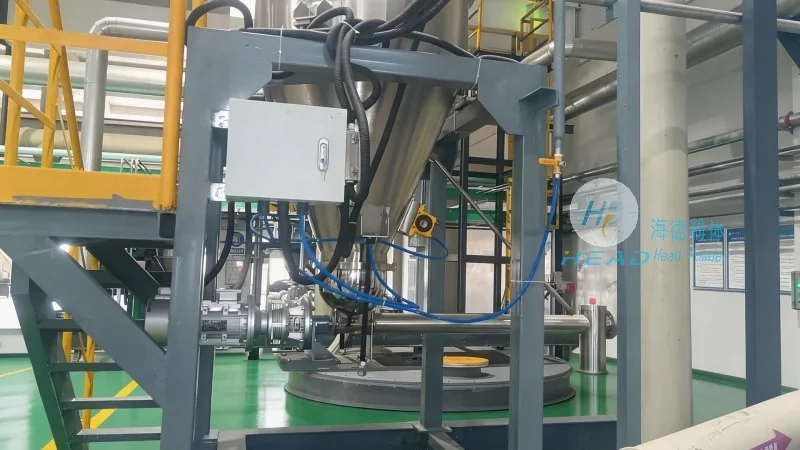
Proper sizing of the pneumatic conveying system is crucial for efficient operation. This involves calculating the required air volume and pressure to move the glass fiber cellulose through the system without excessive energy consumption or pressure drops. Engineers often use empirical formulas or software tools to determine the optimal air velocity and pressure levels. For glass fiber cellulose, which can be abrasive, maintaining a sufficient air velocity is important to prevent particle buildup and ensure smooth flow. Additionally, the system's pressure drop across the conveying line and components must be minimized to avoid excessive energy costs. This may involve selecting larger diameter pipes, reducing bends and fittings, or using specialized components like pulse jet filters to maintain consistent airflow.
Material Handling Challenges and Solutions
Handling glass fiber cellulose presents unique challenges due to its fine particle size and potential for static charge buildup. These challenges can lead to issues such as clogging, material loss, or equipment wear. To address these, system designers often incorporate features like static eliminators or anti-static coatings on the equipment. Additionally, the use of flexible hoses or adjustable feeders can help manage variations in material flow. For systems operating in environments with high humidity or temperature fluctuations, moisture control measures may be necessary to prevent material clumping or degradation. By addressing these challenges proactively, the system can operate more reliably and reduce downtime.
Integration with Existing Facilities
When designing a new pneumatic conveying system for glass fiber cellulose, it is important to consider how it will integrate with existing facility infrastructure. This includes assessing the available space, power supply, and material handling capabilities of the current setup. For example, if the facility already has a dust collection system, the new pneumatic conveying system may be designed to connect to it, reducing the need for additional equipment. Additionally, the system's layout should be planned to minimize interference with other operations and ensure easy access for maintenance. Proper integration can help streamline the overall process and improve operational efficiency.

Maintenance and Operational Best Practices
Regular maintenance is essential to ensure the long-term performance and reliability of a glass fiber cellulose pneumatic conveying system. This includes routine checks of the material feeder, conveying line, and filter system to identify any signs of wear or damage. Filters should be cleaned or replaced as needed to maintain air quality and prevent pressure drops. Additionally, the system's components should be inspected for signs of corrosion or abrasion, which can indicate the need for replacement or repair. Operational best practices also include monitoring the system's performance metrics, such as airflow rate and pressure, to detect any deviations from normal operation. By following these maintenance and operational guidelines, the system can continue to operate efficiently and extend its service life.
Conclusion
Designing a reasonable glass fiber cellulose pneumatic conveying system requires careful consideration of material properties, system components, and operational requirements. By addressing key factors such as airflow management, component selection, and integration with existing facilities, engineers can create a system that meets the specific needs of the glass fiber cellulose industry. With proper maintenance and operational practices, such systems can provide reliable and efficient material handling for years to come. As a leading provider in the field, Shandong HeadPowder Engineering Co., Ltd. specializes in designing and implementing customized pneumatic conveying solutions tailored to the unique challenges of glass fiber cellulose processing.