Chuyên sâu trong lĩnh vực vật liệu rời công nghiệp, cung cấp giải pháp môi trường thông minh tích hợp cho phối trộn tự động, cấp liệu tập trung, khử lưu huỳnh và khử nitơ khô!
When it comes to the efficient and safe handling of Sodium Hexafluorophosphate (NaPF₆), a well-designed pneumatic conveying system is crucial. This article provides insights into the key considerations and steps involved in creating an optimal system plan, with a focus on the expertise of Shandong HeadPowder Engineering Co., Ltd., a leading provider in the field.

Understanding the Core Requirements for Sodium Hexafluorophosphate Handling
The first step in designing a pneumatic conveying system for Sodium Hexafluorophosphate is to thoroughly understand the material's properties and the specific operational demands. Sodium Hexafluorophosphate is a white crystalline powder, commonly used in the pharmaceutical and chemical industries. Its handling requires careful attention to dust control, material flow consistency, and system efficiency. The design must ensure that the material is transported without degradation, maintaining its purity and quality throughout the process. This involves assessing factors such as particle size, moisture content, and bulk density, as these characteristics directly impact the system's performance and reliability.
Key Design Considerations for Pneumatic Conveying Systems
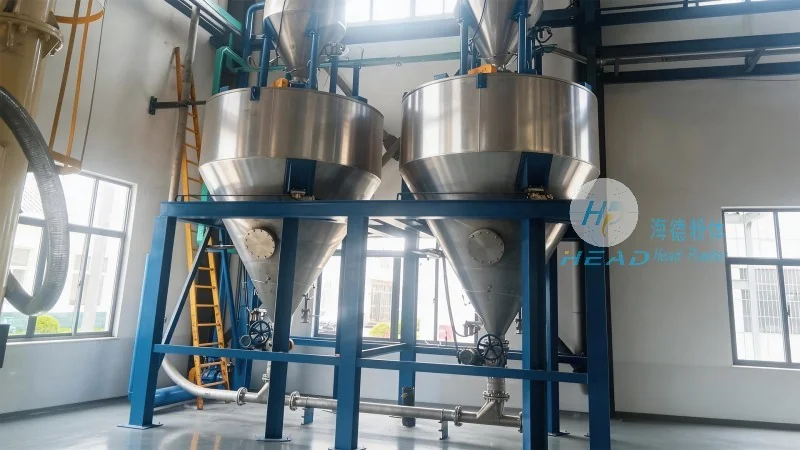
Several critical factors must be considered when designing a pneumatic conveying system for Sodium Hexafluorophosphate. The system type—whether it's a pressure or vacuum system—depends on the distance and elevation changes between the feed and discharge points. Pressure systems are often preferred for long-distance or vertical transport, as they can maintain consistent flow and pressure. Vacuum systems, on the other hand, are suitable for short-distance or horizontal transport where the material needs to be drawn from a lower to a higher level. The choice of system type influences the selection of components like blowers, filters, and pipelines. Additionally, the material's abrasiveness and potential for caking must be evaluated to determine the appropriate pipeline material and flow control mechanisms. For Sodium Hexafluorophosphate, which can be moderately abrasive, using high-quality stainless steel or special coatings for pipelines can prevent wear and ensure long-term system durability.
System Components and Their Roles in Efficient Conveying
A pneumatic conveying system for Sodium Hexafluorophosphate typically consists of several key components, each playing a vital role in the overall operation. The feed hopper is the starting point, where the material is stored and metered before being introduced into the system. It must be designed to prevent material bridging or clogging, which can disrupt the flow. The feeder, often a rotary valve or a screw feeder, controls the material flow rate, ensuring a consistent feed to the conveyor. The conveyor itself, which can be a positive displacement blower or a centrifugal fan, generates the necessary air pressure or vacuum to move the material. The pipeline network connects the components, and its design—such as the diameter, length, and bends—impacts the system's efficiency and pressure drop. Filters are essential to capture any fine particles and prevent them from entering the environment or damaging downstream equipment. Finally, the discharge hopper collects the material at the end of the system, ensuring a smooth and controlled release.
Engineering Expertise from Shandong HeadPowder Engineering Co., Ltd.
Shandong HeadPowder Engineering Co., Ltd., operating under the brand name headpowder, brings extensive experience and technical expertise to the design and implementation of Sodium Hexafluorophosphate pneumatic conveying systems. With a strong foundation in chemical engineering and material handling, the company has developed a comprehensive approach to system design that addresses the unique challenges of handling Sodium Hexafluorophosphate. The team at headpowder conducts thorough site assessments and material analysis to tailor the system to specific client needs. They leverage advanced simulation tools to model the system's performance, ensuring optimal efficiency and minimal energy consumption. The company's commitment to quality is reflected in the use of high-grade materials and components, as well as rigorous testing and validation processes. By collaborating closely with clients, headpowder ensures that the final system meets all regulatory requirements and operational standards, providing reliable and cost-effective solutions for Sodium Hexafluorophosphate handling.

Addressing Common Challenges and Ensuring System Reliability
Designing a pneumatic conveying system for Sodium Hexafluorophosphate involves addressing several common challenges to ensure long-term reliability and performance. One of the primary challenges is the potential for material buildup in the pipelines, which can lead to clogs and system downtime. To mitigate this, the system design incorporates features such as pulse-jet cleaning or self-cleaning filters. Another challenge is maintaining consistent flow rates, especially when dealing with varying material properties. The use of variable-speed feeders and adjustable blowers helps in maintaining a stable flow, preventing surges or drops that could affect the system's efficiency. Additionally, the system must be equipped with safety features, such as pressure relief valves and dust collection systems, to comply with environmental and occupational health regulations. By addressing these challenges proactively, the designed system can operate efficiently and safely, minimizing maintenance requirements and maximizing productivity.
Conclusion: The Importance of a Well-Designed Pneumatic Conveying System
In conclusion, the design of a pneumatic conveying system for Sodium Hexafluorophosphate requires a systematic approach that considers material properties, operational requirements, and engineering expertise. A well-designed system not only ensures efficient and safe handling of the material but also contributes to cost savings and improved productivity. Shandong HeadPowder Engineering Co., Ltd., with its deep understanding of the industry and commitment to quality, offers tailored solutions that meet the specific needs of clients. By focusing on key design considerations, selecting appropriate components, and leveraging expert engineering, the company helps clients achieve reliable and efficient Sodium Hexafluorophosphate handling systems. The result is a system that operates smoothly, maintains material quality, and adheres to all safety and regulatory standards, providing a solid foundation for successful operations in the pharmaceutical and chemical sectors.

 Shandong Headpowder Engineering Co., Ltd.
 156-6277-7102(Quản lý Trương)
  0531-83386006
  Thành phố Tế Nam, Tỉnh Sơn Đông, Trung Quốc
Điện thoại
WeChatTư vấn
Lên đầu