Chuyên sâu trong lĩnh vực vật liệu rời công nghiệp, cung cấp giải pháp môi trường thông minh tích hợp cho phối trộn tự động, cấp liệu tập trung, khử lưu huỳnh và khử nitơ khô!
For power plants and industrial facilities that employ dry flue gas desulfurization (FGD) technology, the efficient handling and disposal of fly ash generated during the process is a critical operational challenge. The design of a reliable and cost-effective pneumatic conveying system for FGD fly ash is essential to ensure smooth plant operations and compliance with environmental regulations. This article outlines key considerations and best practices for designing a reasonable dry FGD fly ash pneumatic conveying system plan, presented by Shandong HeadPowder Engineering Co., Ltd., a leading provider in the field.
Understanding the Characteristics of Dry FGD Fly Ash
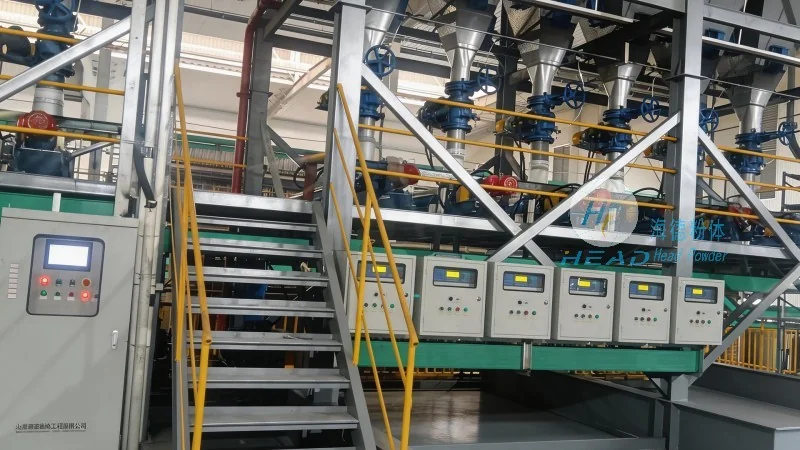
Dry FGD fly ash is a fine, powdery byproduct resulting from the removal of sulfur dioxide from flue gases. It typically has a high moisture content (often below 1%) and a particle size distribution that can range from sub-micron to several microns. These characteristics significantly influence the selection of pneumatic conveying equipment and system design parameters. The low moisture content reduces the risk of caking or blockages, but the fine particle size requires careful consideration of air velocity, pressure, and system layout to prevent particle degradation or system inefficiencies.
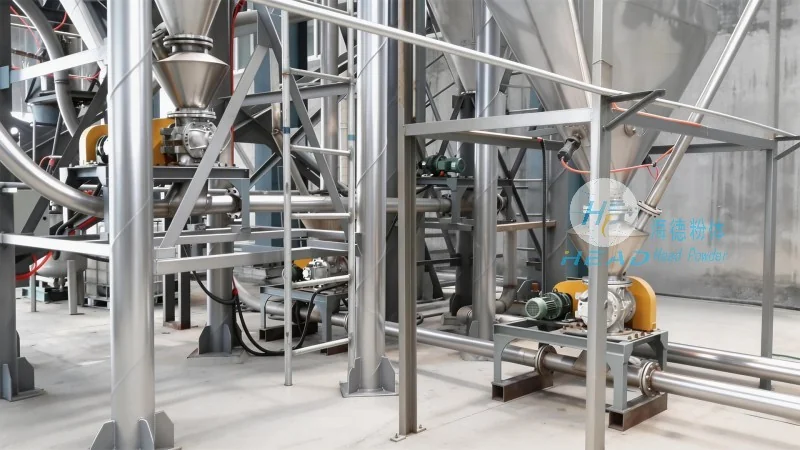
Key Design Considerations for Pneumatic Conveying Systems
When designing a pneumatic conveying system for dry FGD fly ash, several critical factors must be addressed to ensure optimal performance and longevity. First, the system must be capable of handling the specific flow rates and material characteristics of the fly ash. This involves selecting appropriate air volumes and pressure levels, which are determined by the material's bulk density, particle size, and moisture content. The choice between positive and negative pressure systems depends on the distance and layout of the conveying line, as well as the need to minimize energy consumption and maintain system efficiency.
Second, the design must account for the potential for abrasive wear on system components. Dry FGD fly ash is often abrasive due to its fine particle size and high silica content, which can cause significant wear on pipes, valves, and pumps over time. Therefore, the selection of materials for the conveying line, such as stainless steel or high-grade alloys, is crucial to extend the system's service life and reduce maintenance costs. Additionally, the inclusion of wear-resistant liners or coatings on critical components can further mitigate this issue.
System Components and Equipment Selection
A typical dry FGD fly ash pneumatic conveying system consists of several key components, each playing a vital role in the overall operation. The system typically includes a material feeder, which accurately meters the fly ash feed rate to the conveying line. This is often a rotary valve or a screw feeder, designed to handle the fine, dry material without clogging. The feeder is connected to a positive displacement blower or a high-pressure compressor, which provides the necessary air pressure to transport the material through the pipeline.
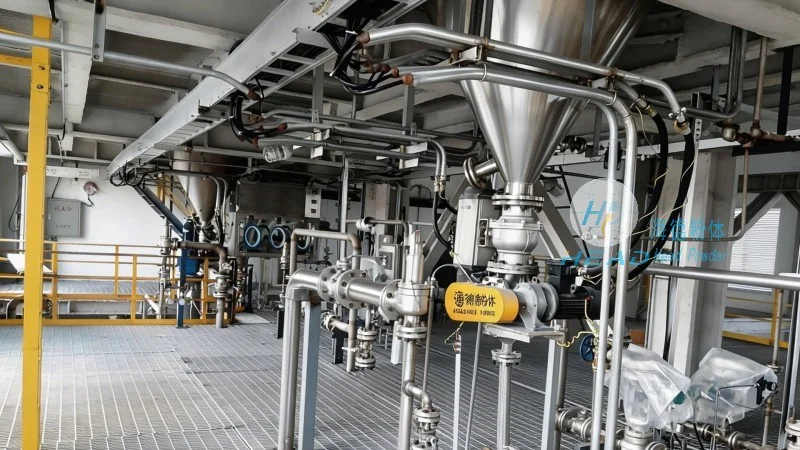
The pipeline itself is a critical component, with the design of the layout and pipe diameter being essential for efficient conveying. The air velocity within the pipeline must be maintained above the minimum conveying velocity to prevent material settling or blockages. The use of bends, elbows, and other fittings requires careful consideration to minimize pressure losses and avoid particle deposition. Additionally, the inclusion of filters and cyclones at the receiving end is necessary to separate the fly ash from the conveying air and collect the material for disposal or reuse.
Integration with Plant Operations and Safety Measures
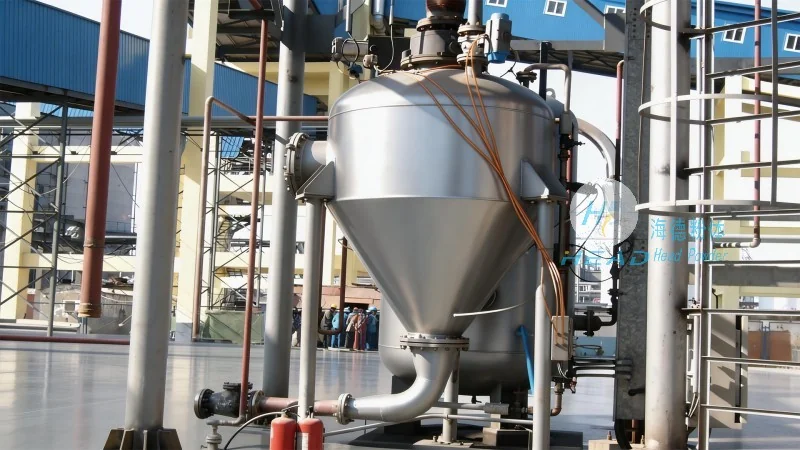
The successful integration of a dry FGD fly ash pneumatic conveying system into existing plant operations requires careful coordination with other processes. The system must be designed to interface seamlessly with the FGD unit, ensuring that the fly ash is collected and conveyed without disrupting the desulfurization process. This involves considering the timing of material transfer, the need for storage silos or hoppers, and the overall flow of material through the plant.
Furthermore, safety is a paramount concern in the design of any industrial conveying system. The system must be equipped with appropriate safety features, such as pressure relief valves, explosion-proof components, and monitoring systems to detect and prevent overpressure or other hazards. Regular maintenance and inspection of the system are also essential to ensure long-term reliability and compliance with safety regulations.
Conclusion: Designing an Efficient and Reliable System
Designing a reasonable dry flue gas desulfurization fly ash pneumatic conveying system plan is a complex process that requires a deep understanding of both the material characteristics and the operational requirements of the plant. By considering factors such as material properties, system layout, equipment selection, and safety measures, engineers can develop a system that is both efficient and cost-effective. Shandong HeadPowder Engineering Co., Ltd. specializes in providing tailored solutions for FGD fly ash handling, leveraging years of experience and expertise to deliver systems that meet the unique needs of each client. With a focus on reliability, durability, and environmental compliance, these systems play a crucial role in the sustainable operation of power plants and industrial facilities worldwide.

 Shandong Headpowder Engineering Co., Ltd.
 156-6277-7102(Quản lý Trương)
  0531-83386006
  Thành phố Tế Nam, Tỉnh Sơn Đông, Trung Quốc
Điện thoại
WeChatTư vấn
Lên đầu