Chuyên sâu trong lĩnh vực vật liệu rời công nghiệp, cung cấp giải pháp môi trường thông minh tích hợp cho phối trộn tự động, cấp liệu tập trung, khử lưu huỳnh và khử nitơ khô!
Designing an efficient and reliable pneumatic conveying system for soybean protein powder is crucial for industries that rely on consistent and safe material handling. The proper design ensures optimal performance, minimal product degradation, and cost-effective operation. This article outlines key considerations and steps to develop a well-structured plan for such a system, with a focus on the expertise of Shandong HeadPowder Engineering Co., Ltd., a leading provider in the field.
Understanding the Material Characteristics of Soybean Protein Powder
Before designing a pneumatic conveying system, it is essential to understand the physical and chemical properties of soybean protein powder. This powder typically has a fine particle size, ranging from 100 to 500 microns, which can affect the flowability and dust generation during handling. The material is also hygroscopic, meaning it absorbs moisture from the air, which may lead to clumping or caking if not managed properly. Additionally, soybean protein powder is sensitive to temperature and pressure changes, as these can impact its nutritional value and quality. These characteristics require a tailored approach to system design, ensuring that the conveying process minimizes particle breakage and maintains product integrity.
Key Factors Influencing Pneumatic Conveying System Design

The design of a pneumatic conveying system for soybean protein powder involves several critical factors that must be carefully evaluated. The first consideration is the required conveying distance and the layout of the facility. Short-distance conveying may use low-pressure systems, while long-distance applications often require high-pressure or dense-phase systems to maintain particle integrity. The system type, such as dilute-phase or dense-phase, plays a significant role in determining the efficiency and energy consumption. Dilute-phase systems use high air velocity to transport particles in a cloud, suitable for short to medium distances, whereas dense-phase systems use lower air velocity and higher pressure to move material in a slurry-like state, ideal for longer distances and sensitive products. Another critical factor is the capacity needed, which depends on production rates and batch sizes. The system must be sized to handle peak loads without causing bottlenecks or excessive energy use. Furthermore, the environmental conditions, including ambient temperature and humidity, need to be considered, as they affect the material's behavior and the system's performance. Proper ventilation and dust control measures are also essential to ensure workplace safety and compliance with regulations.
System Components and Equipment Selection
A pneumatic conveying system for soybean protein powder consists of several key components, each playing a vital role in the overall operation. The primary components include the hopper or storage silo, which holds the powder and provides a consistent feed to the system. The feeder, such as a rotary valve or a screw feeder, controls the flow rate of the material into the conveying line. The conveyor itself, which can be a pipe or a duct, transports the powder using air pressure. The air source, typically a blower or a compressor, generates the necessary airflow. For dense-phase systems, a pressure vessel or a receiver is used to store the material under pressure before discharge. The system may also include filters and cyclones to separate the powder from the air, ensuring that the material is not lost and that the air is clean. The selection of each component is critical and should be based on the material's properties, the system's requirements, and the operational constraints. For example, a rotary valve is preferred for its ability to handle fine powders without clogging, while a screw feeder is suitable for larger particles or bulkier materials. The blower or compressor must be sized to provide sufficient air volume and pressure to achieve the desired conveying rate. The choice of materials for the components, such as stainless steel or food-grade plastics, is also important to prevent contamination and ensure durability.
Design Process and Best Practices
The design process for a soybean protein powder pneumatic conveying system involves a systematic approach to ensure that all aspects are considered. The first step is to gather detailed information about the material, including its particle size distribution, moisture content, and flow properties. This data is used to select the appropriate system type and components. Next, the system layout is planned, considering the facility's layout and the required conveying path. The system is then sized based on the required capacity and conveying distance. Computational fluid dynamics (CFD) simulations may be used to model the flow and identify potential issues, such as pressure drops or particle segregation. The design should also include safety features, such as explosion-proof components for the air source and dust collection systems to prevent fires or explosions. Regular maintenance and cleaning schedules are essential to maintain the system's performance and prevent downtime. Best practices include conducting regular inspections of the components, replacing worn parts, and cleaning the system to remove any accumulated material. Additionally, monitoring the system's performance, such as pressure and flow rates, helps in identifying any issues early and making necessary adjustments. The use of advanced control systems, such as PLCs (Programmable Logic Controllers), can improve the system's efficiency and reliability by automating the process and providing real-time data.

Case Study: A Successful Implementation by Shandong HeadPowder Engineering Co., Ltd.
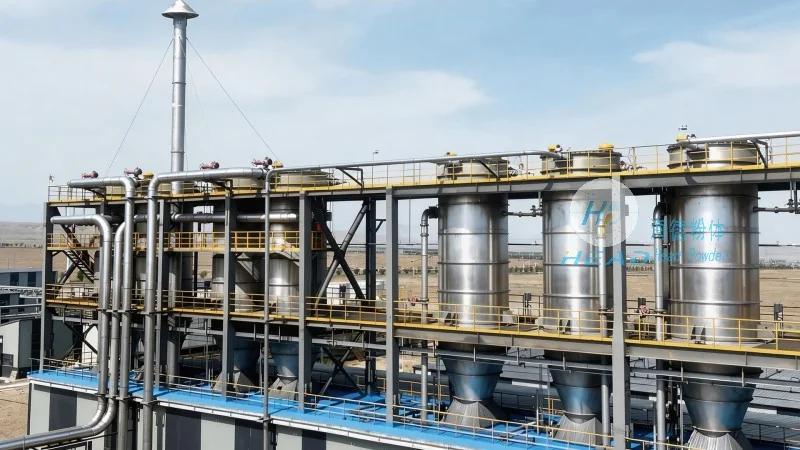
Shandong HeadPowder Engineering Co., Ltd., commonly known as HeadPowder, has extensive experience in designing and implementing pneumatic conveying systems for various food and industrial applications. One of their recent projects involved a large-scale soybean protein powder processing facility in China. The client required a system to transport the powder from storage silos to processing lines over a distance of 200 meters. HeadPowder's team conducted a thorough analysis of the material properties and the facility layout, selecting a dense-phase pneumatic conveying system with a high-pressure blower and a pressure vessel. The system was designed to maintain the powder's integrity, with minimal particle breakage and no clumping. The installation process was carried out efficiently, with minimal disruption to the client's operations. The system has been in operation for over two years, achieving high conveying efficiency and low energy consumption. The client reported significant improvements in production throughput and reduced maintenance costs. This case study demonstrates the effectiveness of HeadPowder's approach to system design, which combines technical expertise with practical solutions to meet the specific needs of the client.
Conclusion and Recommendations
Designing a reasonable pneumatic conveying system for soybean protein powder requires a comprehensive understanding of the material's properties, the system's requirements, and the operational constraints. By considering factors such as material characteristics, system type, and component selection, industries can achieve efficient and reliable material handling. It is recommended to work with experienced professionals, such as Shandong HeadPowder Engineering Co., Ltd., who can provide tailored solutions based on the specific needs of the application. Regular maintenance and monitoring are also essential to ensure the long-term performance and reliability of the system. With the right design and implementation, a pneumatic conveying system can significantly improve the productivity and quality of soybean protein powder processing, contributing to the overall success of the operation.

 Shandong Headpowder Engineering Co., Ltd.
 156-6277-7102(Quản lý Trương)
  0531-83386006
  Thành phố Tế Nam, Tỉnh Sơn Đông, Trung Quốc
Điện thoại
WeChatTư vấn
Lên đầu