Chuyên sâu trong lĩnh vực vật liệu rời công nghiệp, cung cấp giải pháp môi trường thông minh tích hợp cho phối trộn tự động, cấp liệu tập trung, khử lưu huỳnh và khử nitơ khô!
When designing a pneumatic conveying system for alumina particles, it is crucial to consider various factors that ensure efficient and reliable material transport. The system's design must align with the specific characteristics of alumina, such as its particle size, density, and flowability, as well as the operational requirements of the application. A well-designed system not only enhances productivity but also minimizes operational costs and reduces maintenance needs. This article provides a comprehensive guide to designing a reasonable alumina particle pneumatic conveying system, covering key considerations and practical steps.

Key Factors Influencing System Design
The success of an alumina particle pneumatic conveying system depends on several critical factors. First, the particle size distribution and physical properties of the alumina material are paramount. Alumina particles can range from fine powders to larger granules, and their size directly impacts the air velocity required for effective transport. Larger particles may necessitate higher air speeds to maintain suspension, while fine powders can be conveyed at lower velocities but require careful control to prevent clogging. Additionally, the density and specific gravity of alumina affect the system's pressure and power requirements. For instance, higher density materials demand more energy to move through the pipeline, which influences the selection of air compressors and pipeline dimensions.
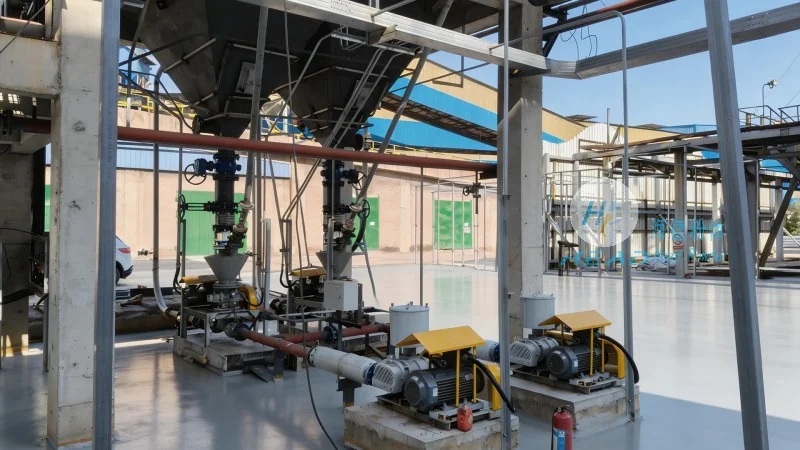
Another critical factor is the system's operating environment and the need for dust control. Alumina is a fine powder that can generate significant dust during handling, posing health and safety risks. Therefore, the design must incorporate effective dust collection and filtration systems to ensure compliance with environmental regulations and maintain a safe working environment. The choice of materials for the pipeline and equipment also plays a vital role. Alumina particles are abrasive and can cause wear on metal surfaces over time. Using corrosion-resistant materials, such as stainless steel or special coatings, can extend the system's lifespan and reduce maintenance frequency.
System Components and Their Roles
A pneumatic conveying system for alumina typically consists of several key components, each with a specific function. The primary components include the material feeder, air compressor, conveying pipeline, and dust collection system. The material feeder is responsible for introducing alumina particles into the system at a controlled rate. This component must be designed to handle the material's flow characteristics, preventing blockages and ensuring a consistent feed. For alumina, a rotary valve or a screw feeder is commonly used, as they can handle fine powders without clogging.
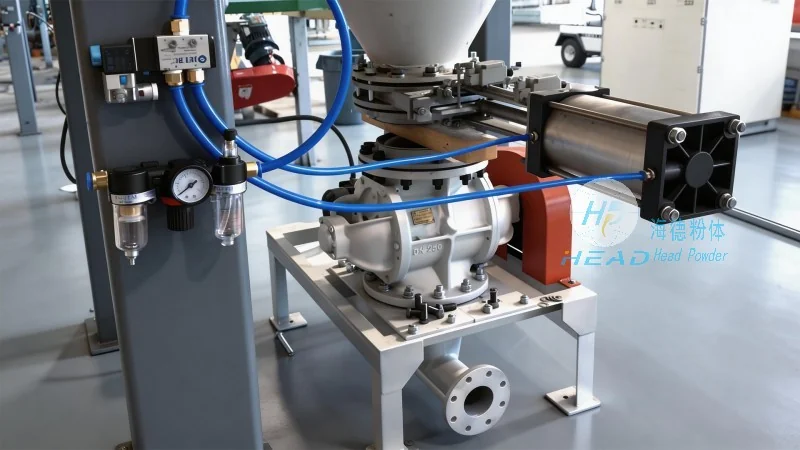
The air compressor provides the necessary pressure and airflow to move the alumina particles through the pipeline. The choice of compressor depends on the system's capacity and the required air velocity. Positive displacement compressors, such as rotary lobe or screw compressors, are often preferred for their ability to deliver high pressure and consistent airflow. The conveying pipeline is a critical part of the system, as it must withstand the pressure and abrasion from the alumina particles. The pipeline material, such as stainless steel or PTFE-coated steel, is selected based on the material's properties and the system's operating conditions. The pipeline diameter and length also affect the system's performance, as larger diameters reduce pressure drop but increase cost.
The dust collection system is essential for maintaining a clean and safe environment. It typically includes a cyclone separator or a baghouse filter to capture the fine alumina particles that are carried along with the air. The collected dust is then returned to the system or disposed of according to regulations. This component not only improves safety but also helps maintain the system's efficiency by preventing dust buildup in the pipeline, which can lead to clogging and reduced airflow.
Design Process and Calculations
Designing an alumina particle pneumatic conveying system involves a systematic process that includes calculations and simulations. The first step is to determine the required air velocity and pressure. This is based on the particle size, density, and the desired conveying rate. The air velocity must be high enough to keep the particles suspended but not so high that it causes excessive wear on the equipment. A common rule of thumb is to use an air velocity of 20-30 meters per second for fine powders like alumina. The pressure required is then calculated based on the pipeline length, diameter, and the number of bends and fittings.

Next, the system's capacity is determined based on the material feed rate and the desired conveying distance. The capacity is expressed in terms of the mass flow rate of alumina, which is calculated by multiplying the cross-sectional area of the pipeline by the air velocity and the density of the alumina-air mixture. This calculation helps in selecting the appropriate air compressor and pipeline dimensions. For example, if the system needs to convey 5 tons of alumina per hour over a distance of 100 meters, the required air velocity and pressure can be calculated using established pneumatic conveying formulas.
Simulation tools are often used to validate the design and optimize the system's performance. These tools can model the flow of alumina particles and air through the pipeline, allowing engineers to identify potential issues such as pressure drop, clogging, or uneven flow distribution. By adjusting the system parameters, such as the air velocity or pipeline diameter, engineers can optimize the system for maximum efficiency and minimal energy consumption. This iterative process ensures that the final design meets all operational requirements and is cost-effective.

 Shandong Headpowder Engineering Co., Ltd.
 156-6277-7102(Quản lý Trương)
  0531-83386006
  Thành phố Tế Nam, Tỉnh Sơn Đông, Trung Quốc
Điện thoại
WeChatTư vấn
Lên đầu