Chuyên sâu trong lĩnh vực vật liệu rời công nghiệp, cung cấp giải pháp môi trường thông minh tích hợp cho phối trộn tự động, cấp liệu tập trung, khử lưu huỳnh và khử nitơ khô!
Barium sulfate, commonly known as heavy spar or barytes, is a widely used industrial material in various applications, including pigments, coatings, and medical imaging. When it comes to transporting this material efficiently and safely, a well-designed pneumatic conveying system is crucial. This article outlines the key considerations and steps for designing a reasonable barium sulfate pneumatic conveying system plan, ensuring optimal performance and reliability.
Understanding the Material Characteristics
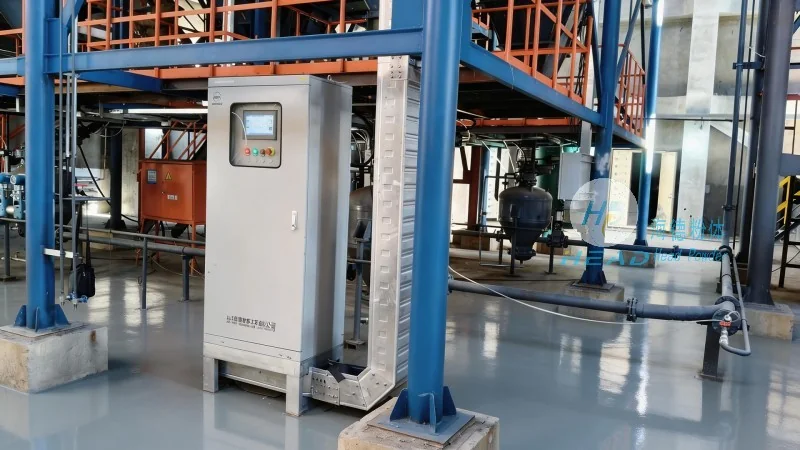
Before designing a pneumatic conveying system for barium sulfate, it is essential to understand the physical and chemical properties of the material. Barium sulfate is typically a fine powder with a high density and relatively low moisture content. Its particle size distribution, flowability, and abrasiveness can significantly impact the system's design. For instance, fine particles may require higher air velocities to prevent clogging, while abrasive particles demand robust equipment to minimize wear and tear. The company, Shandong HeadPowder Engineering Co., Ltd., known as HeadPowder, specializes in engineering solutions tailored to such material handling challenges.
Key Design Factors for Pneumatic Conveying Systems
The design of a pneumatic conveying system involves several critical factors that must be carefully evaluated. First, the system's capacity and flow rate must match the production requirements. This includes determining the required conveying distance, which can affect the choice between dilute-phase and dense-phase conveying. Dilute-phase systems use higher air velocities to transport material in a suspended state, while dense-phase systems use lower velocities to move material in a slurry-like state, reducing the risk of particle degradation. The selection of the conveying method depends on the material's properties, such as its dustiness and sensitivity to air flow. Additionally, the system's pressure and air volume requirements are determined by the material's density and the required flow rate. HeadPowder's expertise in material handling ensures that these factors are optimized for efficient operation.
System Components and Equipment Selection
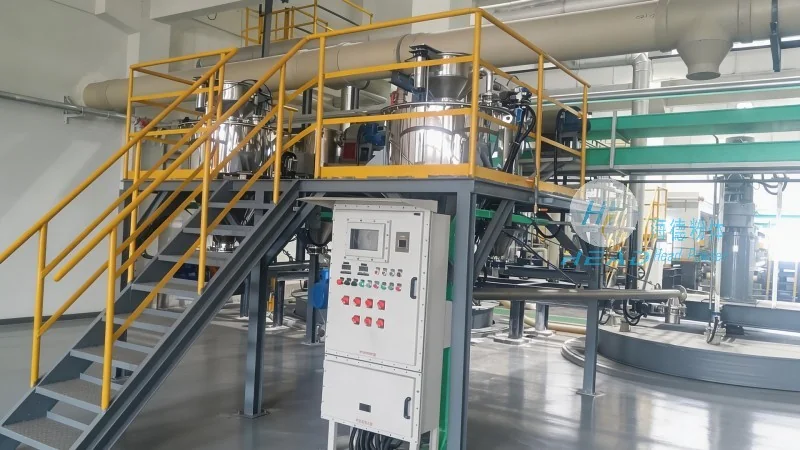
A pneumatic conveying system consists of several key components, including a material feeder, a conveying line, a separator, and a receiver. The material feeder is responsible for feeding the barium sulfate into the system at a consistent rate, which is crucial for maintaining stable flow. The conveying line, typically made of stainless steel or other corrosion-resistant materials, must be designed to handle the material's abrasiveness and prevent blockages. The separator, such as a cyclone or bag filter, is used to separate the material from the air stream, ensuring that the material is collected in the receiver without contamination. The receiver, often a hopper or silo, stores the conveyed material until it is used. HeadPowder engineers select high-quality equipment from reputable manufacturers to ensure durability and reliability. For example, the use of high-efficiency cyclones can improve separation efficiency, reducing the risk of material loss and improving overall system performance.
System Integration and Maintenance

Integrating the pneumatic conveying system with existing processes is another critical aspect of the design. The system must be compatible with the production line's flow rates and pressure levels. Proper integration ensures that the system operates smoothly without disrupting other operations. Additionally, regular maintenance is essential to keep the system running efficiently. This includes cleaning the conveying line, replacing worn parts, and monitoring the system's performance. HeadPowder provides comprehensive maintenance services to ensure that the system remains in optimal condition. Regular inspections can help identify potential issues before they become major problems, reducing downtime and maintenance costs.
Conclusion
Designing a reasonable barium sulfate pneumatic conveying system requires a thorough understanding of the material's properties and the system's components. By considering factors such as capacity, flow rate, and equipment selection, engineers can create a system that meets the production requirements while ensuring safety and efficiency. HeadPowder, with its expertise in material handling, offers tailored solutions that address the specific needs of barium sulfate transportation. With proper design and maintenance, a pneumatic conveying system can provide reliable and cost-effective material transport for industrial applications.

 Shandong Headpowder Engineering Co., Ltd.
 156-6277-7102(Quản lý Trương)
  0531-83386006
  Thành phố Tế Nam, Tỉnh Sơn Đông, Trung Quốc
Điện thoại
WeChatTư vấn
Lên đầu