

How to Design a Reasonable Polyethylene Pneumatic Conveying System Plan?
When designing a polyethylene pneumatic conveying system, it is crucial to consider several key factors to ensure efficiency, reliability, and cost-effectiveness. The process involves evaluating material properties, flow characteristics, and the specific operational requirements of the application. A well-designed system can significantly enhance production throughput while minimizing downtime and maintenance costs.
Key Design Considerations for Polyethylene Pneumatic Conveying

Several critical aspects must be addressed during the design phase. First, the physical and chemical properties of polyethylene, such as its density, particle size distribution, and moisture content, directly impact the conveying performance. For instance, polyethylene powders may exhibit cohesive behavior, which can lead to blockages if not properly managed. Engineers must select appropriate air velocities and system configurations to prevent material buildup and ensure smooth material transport.
Second, the system layout and component selection play a vital role. The choice of conveying line diameter, the type of air compressor (positive displacement or centrifugal), and the placement of filters and cyclones are all critical decisions. A properly sized air compressor ensures sufficient pressure to overcome friction losses and maintain consistent material flow. Additionally, the integration of filtration systems is essential to protect downstream equipment from dust and particulate contamination, which is particularly important for polyethylene applications where particle size can affect product quality.
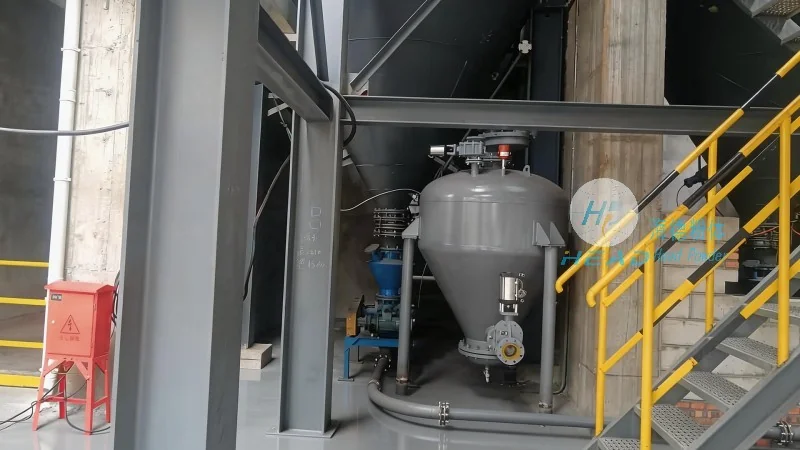
System Components and Their Roles
The polyethylene pneumatic conveying system typically consists of several key components, each serving a specific function. The material feed hopper is responsible for storing and feeding the polyethylene powder into the system. It must be designed to handle the material's flow characteristics, possibly incorporating vibrators or agitators to prevent bridging and ensure a steady feed rate. The hopper's design also influences the system's overall efficiency, as a well-designed hopper minimizes material waste and reduces the risk of blockages.
Next, the conveying line itself is a critical component. The line diameter and length determine the air velocity required to transport the material. For polyethylene, which is often a fine powder, a higher air velocity may be necessary to prevent clogging. The material of construction for the conveying line is also important; materials like stainless steel or corrosion-resistant alloys are preferred to prevent degradation from the polyethylene particles and any potential moisture.
Compressed air is supplied by the air compressor, which generates the necessary pressure to move the material through the system. The compressor's capacity and pressure rating must be matched to the system's requirements to ensure consistent performance. The air filter and dryer are essential to remove contaminants and moisture from the air, as moisture can cause polyethylene to clump and degrade, leading to system inefficiencies and equipment damage.
The cyclone separator is another critical component, responsible for separating the polyethylene particles from the air stream. It works by using centrifugal force to pull the heavier particles out of the air and into a collection bin. The design of the cyclone, including its diameter and cone angle, affects its efficiency in separating particles of different sizes. For polyethylene, which may have a wide range of particle sizes, a multi-stage cyclone system or a combination of cyclones and filters may be necessary to achieve optimal separation.

Company Overview: Shandong HeadPowder Engineering Co., Ltd.
Shandong HeadPowder Engineering Co., Ltd., commonly known as HeadPowder, is a leading provider of engineering solutions for pneumatic conveying systems. With a strong focus on innovation and customer satisfaction, the company specializes in designing and manufacturing customized polyethylene pneumatic conveying systems tailored to the unique needs of various industries. HeadPowder's team of experienced engineers and technicians leverages advanced technology and industry best practices to deliver high-quality, reliable systems that meet or exceed client expectations.
The company's headquarters is located in Shandong, China, where it operates a state-of-the-art research and development facility. This facility enables HeadPowder to conduct extensive testing and optimization of its systems, ensuring that each design is optimized for the specific material and application. The company's commitment to quality is reflected in its adherence to international standards and its use of advanced manufacturing processes. HeadPowder's systems are designed to be durable, efficient, and easy to maintain, providing long-term value to its clients.

HeadPowder's expertise extends beyond system design to include comprehensive support services. This includes system installation, commissioning, and ongoing maintenance. The company's technical support team is available to assist clients with any issues that may arise, ensuring that the system operates at peak performance. Additionally, HeadPowder offers training programs for clients to enhance their understanding of the system and its operation, further contributing to the overall success of the project.
Conclusion: Ensuring a Successful Polyethylene Pneumatic Conveying System
Designing a reasonable polyethylene pneumatic conveying system requires a thorough understanding of the material's properties, the system's components, and the operational requirements. By carefully considering these factors and leveraging the expertise of experienced engineers, such as those at Shandong HeadPowder Engineering Co., Ltd., organizations can achieve efficient, reliable, and cost-effective material transport. The key to a successful system lies in the proper integration of all components, ensuring that each part works in harmony to deliver optimal performance. With the right design and support, polyethylene pneumatic conveying systems can significantly enhance production processes and contribute to the overall success of industrial operations.