Chuyên sâu trong lĩnh vực vật liệu rời công nghiệp, cung cấp giải pháp môi trường thông minh tích hợp cho phối trộn tự động, cấp liệu tập trung, khử lưu huỳnh và khử nitơ khô!
When it comes to the efficient and reliable transportation of fine sand and gravel materials, a well-designed pneumatic conveying system is crucial. The process of selecting and configuring the right components to ensure optimal performance, safety, and cost-effectiveness requires careful consideration of various technical and operational factors. This article provides a comprehensive guide on how to design a reasonable fine sand and gravel pneumatic conveying system, focusing on key aspects that influence system performance and longevity.
Understanding the Core Components of a Fine Sand and Gravel Pneumatic Conveying System
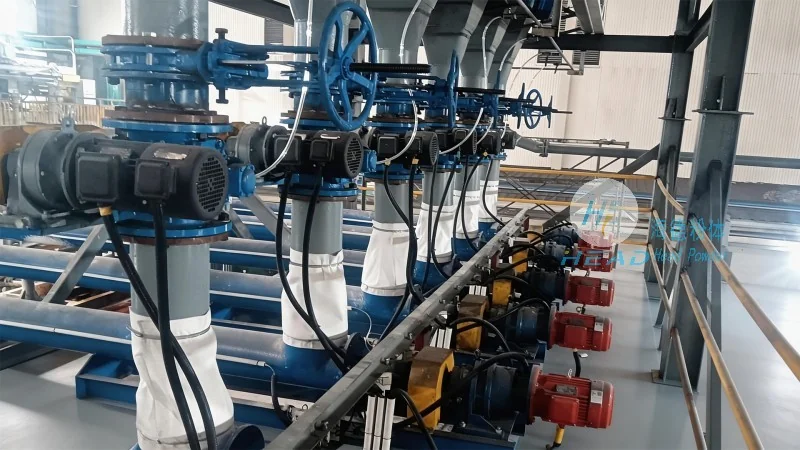
A pneumatic conveying system for fine sand and gravel typically consists of several critical components. The primary elements include the material feed hopper, which holds the bulk material and regulates its flow into the system. A rotary valve or feeder is often used to control the discharge rate, ensuring a consistent material supply. The conveying line, which can be either positive or negative pressure, transports the material through a network of pipes. For fine sand and gravel, positive pressure systems are commonly preferred due to their ability to handle abrasive materials and maintain consistent flow rates. The system also includes a separator or cyclone to separate the conveyed material from the air, followed by a dust collector to capture any fine particles and ensure environmental compliance.
Key Design Considerations for Material Handling Efficiency
Designing a pneumatic conveying system for fine sand and gravel involves several key considerations to maximize efficiency and minimize operational issues. First, the particle size and density of the material are critical factors. Fine sand and gravel particles are often small and abrasive, which can lead to wear on system components if not properly managed. Therefore, selecting materials for the conveying line, such as stainless steel or high-grade plastic, is essential to prevent premature wear and extend the system's lifespan. The air velocity within the system is another important parameter; it must be high enough to entrain the material but low enough to avoid excessive pressure drops and energy consumption. Properly sizing the air compressor and blower is also crucial, as it directly impacts the system's ability to maintain consistent pressure and flow rates.
System Sizing and Pressure Management for Optimal Performance
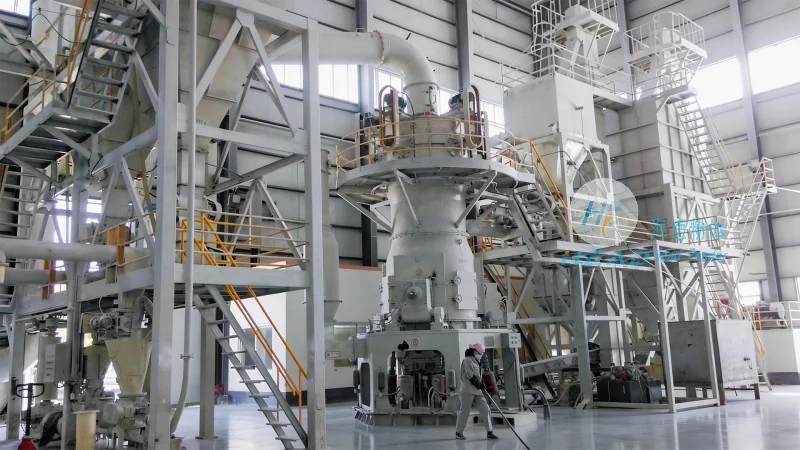
Accurate system sizing is fundamental to the success of a fine sand and gravel pneumatic conveying system. The capacity of the system, measured in terms of material throughput, must be matched to the production requirements of the facility. This involves calculating the required air volume and pressure based on the material's properties, such as its bulk density and flowability. Pressure management is equally important, as excessive pressure can cause system inefficiencies and component damage, while insufficient pressure may lead to material blockages or poor conveying performance. Using pressure sensors and control valves allows for real-time adjustments to maintain optimal pressure levels, ensuring consistent material transport and reducing downtime.
Integration of Advanced Technologies for Enhanced System Performance
Modern pneumatic conveying systems for fine sand and gravel often incorporate advanced technologies to improve performance and reliability. For example, variable frequency drives (VFDs) can be used to adjust the speed of the blower or feeder, allowing for dynamic control of the system's air flow and material feed rate. This helps in maintaining consistent pressure and flow, even when the material feed rate varies. Additionally, the use of intelligent monitoring systems, such as sensors that track pressure, temperature, and material flow, enables proactive maintenance and early detection of potential issues. These technologies not only enhance system efficiency but also reduce operational costs by minimizing downtime and extending the lifespan of key components.
Ensuring Compliance and Safety in Fine Sand and Gravel Conveying Systems
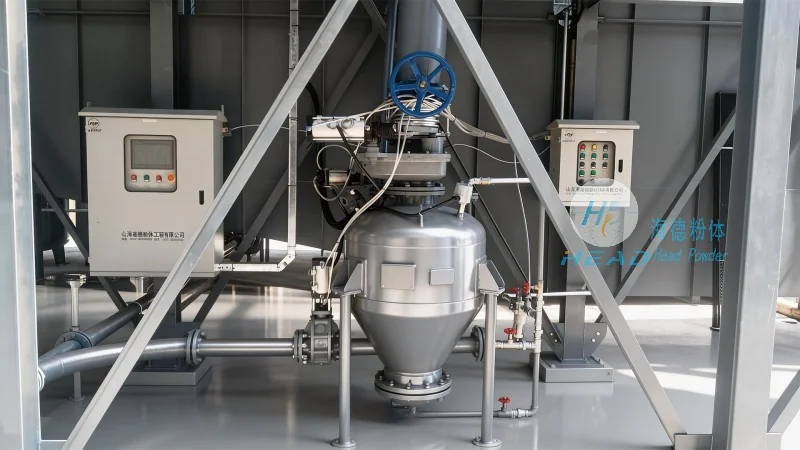
When designing a pneumatic conveying system for fine sand and gravel, compliance with safety and environmental regulations is paramount. The system must be designed to prevent dust explosions, which can be a significant risk with fine particulate materials. This involves implementing explosion-proof designs for the air compressor and other electrical components, as well as installing dust collection systems that meet local environmental standards. Proper ventilation and dust suppression measures are also essential to maintain a safe working environment for personnel. Additionally, regular maintenance and inspections are necessary to ensure the system operates within safe parameters and meets all regulatory requirements.
Case Study: Successful Implementation of a Fine Sand and Gravel Pneumatic Conveying System by Shandong HeadPowder Engineering Co., Ltd.
Shandong HeadPowder Engineering Co., Ltd., a leading provider of engineering solutions for material handling systems, has successfully implemented numerous fine sand and gravel pneumatic conveying systems across various industries. One notable project involved a construction materials company that required a reliable system to transport fine sand and gravel from storage silos to processing plants. The system designed by HeadPowder included a positive pressure conveying line with stainless steel pipes, a high-capacity blower, and an advanced dust collection system. The system was configured to handle high volumes of material while maintaining consistent pressure and flow rates, resulting in significant improvements in production efficiency and reduced maintenance costs. The client reported a 20% increase in throughput and a 15% reduction in energy consumption after the system was installed, highlighting the effectiveness of the design approach used by HeadPowder.
Conclusion: The Importance of Professional Design and Expertise
Designing a reasonable fine sand and gravel pneumatic conveying system requires a deep understanding of material properties, system components, and operational requirements. By carefully considering factors such as material characteristics, system sizing, pressure management, and safety compliance, engineers can develop a system that maximizes efficiency, minimizes costs, and ensures long-term reliability. The expertise of companies like Shandong HeadPowder Engineering Co., Ltd. plays a crucial role in achieving these goals, as they bring years of experience and advanced technology to the design and implementation process. For businesses looking to improve their material handling processes, investing in a well-designed pneumatic conveying system is a strategic decision that can yield significant returns in terms of productivity and operational efficiency.

 Shandong Headpowder Engineering Co., Ltd.
 156-6277-7102(Quản lý Trương)
  0531-83386006
  Thành phố Tế Nam, Tỉnh Sơn Đông, Trung Quốc
Điện thoại
WeChatTư vấn
Lên đầu