Chuyên sâu trong lĩnh vực vật liệu rời công nghiệp, cung cấp giải pháp môi trường thông minh tích hợp cho phối trộn tự động, cấp liệu tập trung, khử lưu huỳnh và khử nitơ khô!
When it comes to the efficient and reliable transportation of barium carbonate, a well-designed pneumatic conveying system is crucial. This article will guide you through the key considerations and steps involved in creating a system that meets the specific needs of your operation, ensuring optimal performance and minimal downtime.
Understanding the Core Components of a Barium Carbonate Pneumatic Conveying System
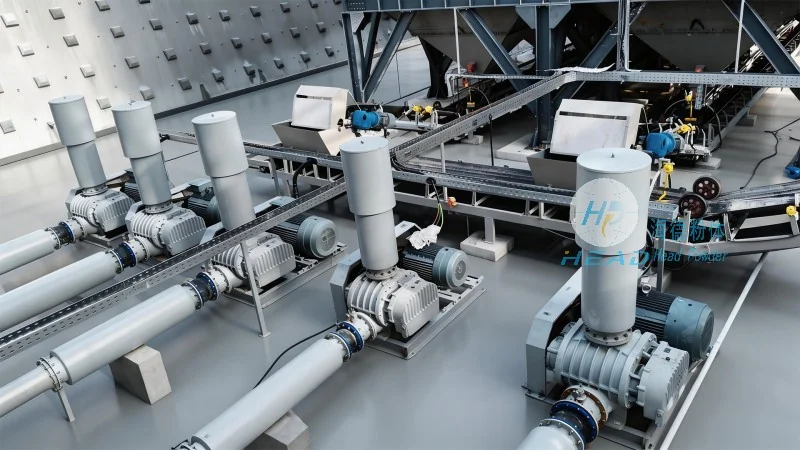
A pneumatic conveying system for barium carbonate typically consists of several critical components. The first is the material hopper or feeder, which stores and meters the powder. This component must be designed to handle the specific flow characteristics of barium carbonate, preventing bridging or caking that could disrupt the conveying process. The feeder is often equipped with a rotary valve or a screw feeder to control the discharge rate, ensuring a steady flow into the system.
Next, the conveying line itself is a key element. The choice between positive pressure and negative pressure systems depends on the distance, material properties, and desired system efficiency. For barium carbonate, which is a fine powder with relatively low abrasiveness, a positive pressure system is often preferred as it provides better control and can handle longer distances without excessive pressure drop. The pipeline material, usually stainless steel or high-grade plastic, must be selected to resist corrosion from the barium carbonate and any moisture present.
Key Design Factors for Optimal Performance
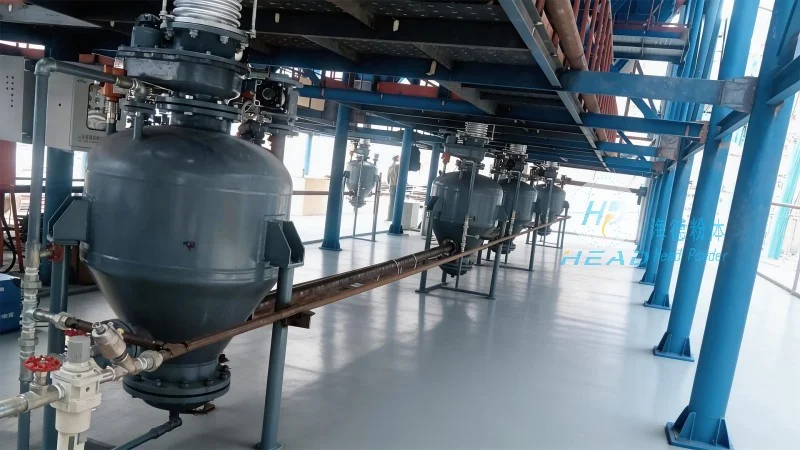
Several factors must be carefully considered during the design phase to ensure the system operates efficiently and safely. The first is the air velocity, which must be sufficient to lift the barium carbonate particles but not so high as to cause excessive wear on the system components or excessive energy consumption. The air velocity is typically determined based on the particle size, density, and flow rate of the material. For barium carbonate, a velocity range of 20 to 30 meters per second is common for positive pressure systems.
Another critical factor is the system's pressure drop. The pressure drop across the conveying line and components must be minimized to reduce energy consumption and prevent excessive wear on the air compressor. Proper sizing of the pipeline diameter and the use of smooth, low-friction materials are essential to achieve this. Additionally, the system should include pressure relief valves and filters to protect the equipment from overpressure and to maintain air quality.
Material Handling and Safety Considerations
When handling barium carbonate, safety is paramount. The system must be designed to prevent dust explosions, which can be a risk with fine powders. This is typically achieved through the use of explosion-proof components, such as the air compressor and control panels. The system should also include dust collection and filtration systems to capture any airborne particles and ensure a clean working environment.
Proper ventilation and grounding of the equipment are also important safety measures. The system should be designed to prevent the accumulation of static electricity, which can cause sparks and lead to explosions. Additionally, the material handling equipment, such as the hopper and feeder, should be equipped with safety interlocks to prevent accidental release of material.

Integration with Existing Infrastructure
For many operations, integrating a new pneumatic conveying system with existing infrastructure is necessary. This requires careful planning to ensure compatibility with the current air supply, electrical systems, and material storage areas. The system design should consider the available space and the layout of the facility to minimize the need for extensive modifications or new construction.
Shandong HeadPowder Engineering Co., Ltd., a leading provider of pneumatic conveying solutions, specializes in designing and implementing systems tailored to the unique requirements of barium carbonate applications. With years of experience in the industry, the company's engineers work closely with clients to understand their specific needs and develop customized solutions that optimize performance, reduce costs, and enhance safety.
Located in Shandong, China, HeadPowder leverages advanced technology and engineering expertise to deliver high-quality pneumatic conveying systems that meet the highest standards of efficiency and reliability. The company's commitment to customer satisfaction and product excellence has made it a trusted partner for businesses in the chemical and material processing industries.

 Shandong Headpowder Engineering Co., Ltd.
 156-6277-7102(Quản lý Trương)
  0531-83386006
  Thành phố Tế Nam, Tỉnh Sơn Đông, Trung Quốc
Điện thoại
WeChatTư vấn
Lên đầu