Chuyên sâu trong lĩnh vực vật liệu rời công nghiệp, cung cấp giải pháp môi trường thông minh tích hợp cho phối trộn tự động, cấp liệu tập trung, khử lưu huỳnh và khử nitơ khô!
For industrial applications, the efficient and reliable transportation of cement powder is crucial for maintaining production efficiency and product quality. Among various conveying methods, pneumatic conveying stands out as a popular choice due to its flexibility, ability to handle fine powders, and minimal maintenance requirements. This article explores common cement powder conveying methods, with a focus on the advantages and applications of cement powder pneumatic conveying systems.

Introduction to Cement Powder Conveying
Cement powder, a fine and abrasive material, requires specialized handling to prevent clogging, dust generation, and material degradation during transportation. Traditional methods like bucket elevators or belt conveyors may struggle with the unique properties of cement powder, leading to operational inefficiencies and increased downtime. Pneumatic conveying systems offer a solution by using air pressure to move powder through pipelines, reducing the risk of contamination and improving process control.
Common Cement Powder Conveying Methods
Several methods are employed for cement powder transportation, each with its own advantages and limitations. The primary options include:
Pneumatic Conveying: This method uses compressed air to transport cement powder through a network of pipes. It is suitable for both short and long-distance transport and can handle high volumes of material. Pneumatic systems are known for their ability to maintain product integrity and minimize dust exposure.
Mechanical Conveying: Traditional mechanical systems such as belt conveyors and screw conveyors are still used in some applications. However, they may require more maintenance and are less effective for fine powders, as they can cause material degradation and increased dust generation.
Hybrid Systems: Some facilities combine pneumatic and mechanical components to optimize conveying efficiency. For example, a pneumatic system might be used for the initial transport of cement powder from storage silos to a processing area, followed by a mechanical conveyor for final delivery to the mixing equipment.
The Advantages of Cement Powder Pneumatic Conveying
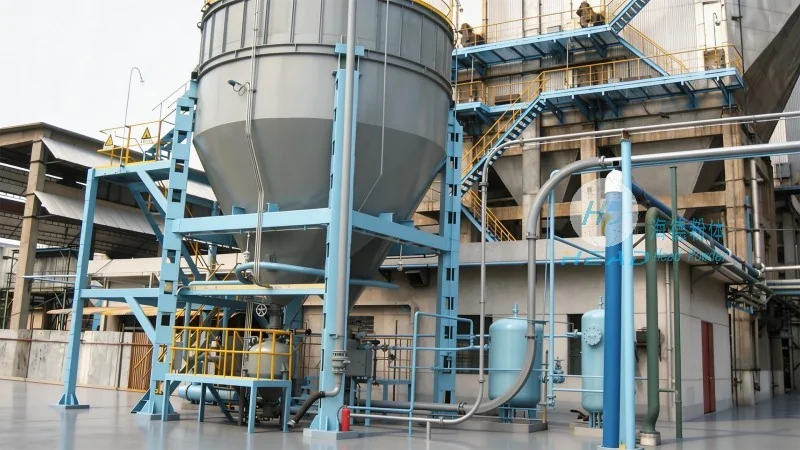
Cement powder pneumatic conveying systems offer several key benefits that make them a preferred choice in many industries:
Efficiency and Speed: Pneumatic systems can transport large volumes of cement powder quickly and with minimal downtime, improving overall production throughput.
Product Integrity: The enclosed pipeline system prevents contamination from external sources and reduces the risk of material degradation, ensuring consistent product quality.
Space Efficiency: Pneumatic conveying systems can be installed in tight spaces, as the pipes can be routed vertically or horizontally to fit the layout of the facility.
Low Maintenance: Compared to mechanical systems, pneumatic conveying systems have fewer moving parts, resulting in lower maintenance costs and longer service life.
Applications of Cement Powder Pneumatic Conveying
Cement powder pneumatic conveying is widely used in various industrial sectors, including:
Cement Manufacturing: In cement plants, pneumatic systems are used to transport raw materials and finished cement products between different stages of production.
Construction Materials: The construction industry relies on pneumatic conveying for transporting cement powder to job sites, ensuring timely delivery and reduced handling time.
Chemical and Pharmaceutical Industries: These sectors use pneumatic systems to handle fine powders that require strict contamination control, such as in the production of specialty cement additives.
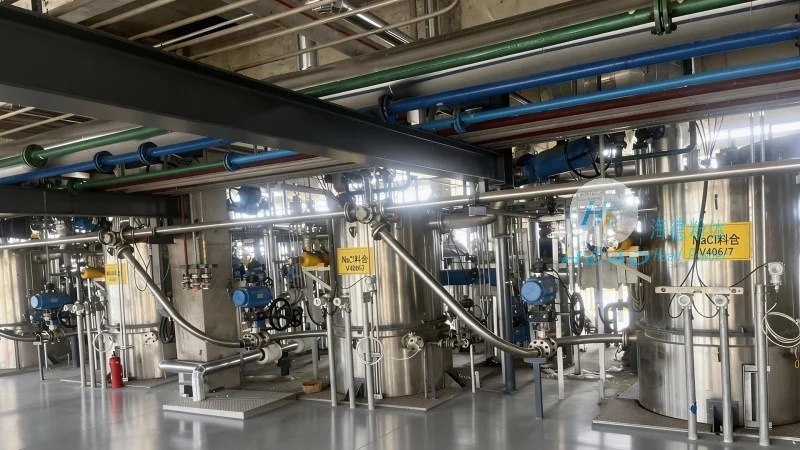
Key Considerations for Cement Powder Pneumatic Conveying Systems
When selecting a cement powder pneumatic conveying system, several factors must be considered to ensure optimal performance:
Material Properties: The particle size, density, and moisture content of the cement powder affect the choice of system design. For example, highly abrasive materials may require specialized pipeline materials to prevent wear.
Transport Distance and Volume: The distance and volume of material to be transported determine the system's capacity and pressure requirements. Longer distances may require higher air pressure or additional booster units.
Environmental Regulations: Compliance with local regulations regarding dust control and air quality is essential. Pneumatic systems can be equipped with filtration and dust collection systems to meet these requirements.
Conclusion
Cement powder pneumatic conveying systems provide an efficient and reliable solution for transporting fine powders in industrial applications. By understanding the advantages and considerations of different conveying methods, facilities can choose the most suitable system to enhance productivity, maintain product quality, and reduce operational costs. For those seeking expert guidance on cement powder pneumatic conveying systems, Shandong HeadPowder Engineering Co., Ltd. (headpowder) offers comprehensive solutions tailored to specific industrial needs.

 Shandong Headpowder Engineering Co., Ltd.
 156-6277-7102(Quản lý Trương)
  0531-83386006
  Thành phố Tế Nam, Tỉnh Sơn Đông, Trung Quốc
Điện thoại
WeChatTư vấn
Lên đầu