Chuyên sâu trong lĩnh vực vật liệu rời công nghiệp, cung cấp giải pháp môi trường thông minh tích hợp cho phối trộn tự động, cấp liệu tập trung, khử lưu huỳnh và khử nitơ khô!
When it comes to handling magnesium oxide powder, selecting the right conveying method is crucial for ensuring efficiency, safety, and cost-effectiveness in industrial operations. Magnesium oxide, a widely used chemical in various sectors such as construction, pharmaceuticals, and manufacturing, presents unique challenges during transportation due to its fine particle size and potential for dust generation. Traditional methods like belt conveyors or screw conveyors may struggle with the material's properties, leading to issues like clogging, material degradation, or increased maintenance costs. This article explores common magnesium oxide powder conveying methods, with a focus on the advantages of pneumatic conveying systems, and introduces the expertise of Shandong HeadPowder Engineering Co., Ltd., a leading provider in the field.
Traditional Conveying Methods and Their Limitations
Before delving into modern solutions, it's essential to understand the limitations of conventional conveying technologies for magnesium oxide powder. Belt conveyors, for instance, are widely used in bulk material handling but often face challenges when dealing with fine powders. The material can stick to the belt surface, causing uneven distribution and potential blockages. Screw conveyors, another common option, rely on rotating screws to move material, which may lead to excessive friction and heat generation, potentially affecting the quality of the magnesium oxide powder. Additionally, both methods require regular cleaning and maintenance to prevent material buildup and ensure smooth operation. For industries dealing with high volumes of magnesium oxide, these traditional approaches may not provide the reliability or efficiency needed to meet production demands.
Pneumatic Conveying: A Superior Solution for Magnesium Oxide Powder

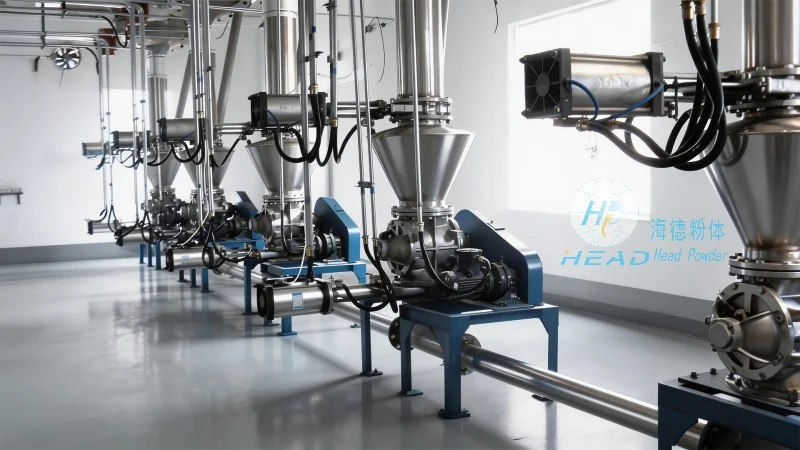
Pneumatic conveying has emerged as a preferred method for transporting magnesium oxide powder due to its ability to handle fine, dusty materials with minimal disruption. Unlike mechanical systems, pneumatic conveyors use air pressure to move the powder through a pipeline, reducing the risk of material degradation and ensuring a more consistent flow. There are two primary types of pneumatic conveying systems: positive pressure and negative pressure. Positive pressure systems use a blower to force air and powder through the pipeline, while negative pressure systems create a vacuum to draw the material. For magnesium oxide powder, positive pressure systems are often preferred as they offer better control over the material's velocity and can handle higher concentrations of powder. The choice between the two depends on factors such as the distance of the conveying line, the required flow rate, and the need for dust collection. Pneumatic conveying not only improves the efficiency of magnesium oxide powder transportation but also enhances safety by containing dust and preventing exposure to workers. This makes it an ideal solution for industries where dust control is a priority.

HeadPowder: Leading the Way in Magnesium Oxide Powder Conveying Solutions
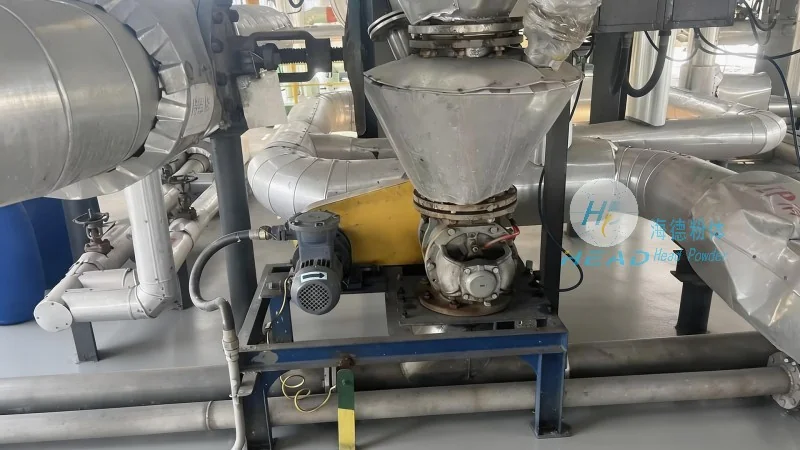
Shandong HeadPowder Engineering Co., Ltd., commonly known as HeadPowder, is a reputable company based in Shandong, China, specializing in the design, manufacturing, and installation of advanced conveying systems for various bulk materials, including magnesium oxide powder. With years of experience in the industry, HeadPowder has developed a range of pneumatic conveying solutions tailored to the unique needs of magnesium oxide powder. The company's expertise lies in understanding the material's properties and designing systems that optimize performance while minimizing downtime. HeadPowder's team of engineers works closely with clients to assess their specific requirements, such as the volume of powder to be conveyed, the distance of the conveying line, and the desired level of automation. By leveraging cutting-edge technology and robust engineering, HeadPowder ensures that its conveying systems are durable, efficient, and cost-effective. The company's commitment to quality and customer satisfaction has made it a trusted partner for many industries relying on reliable magnesium oxide powder transportation. Whether it's a new installation or an upgrade to an existing system, HeadPowder provides comprehensive solutions that meet the highest standards of performance and safety.
Key Features and Benefits of Pneumatic Conveying for Magnesium Oxide Powder
The adoption of pneumatic conveying for magnesium oxide powder offers several key benefits that make it a superior choice compared to traditional methods. First, it provides a continuous and uniform flow of material, which is critical for maintaining consistent production processes. This reduces the risk of material shortages or overstocking, leading to better inventory management. Second, pneumatic systems are highly flexible, allowing for easy reconfiguration of the conveying line to accommodate changes in production needs or facility layout. This adaptability is particularly valuable in dynamic industrial environments where processes may evolve over time. Third, the enclosed nature of pneumatic conveying minimizes dust exposure, which is essential for maintaining a safe working environment and complying with environmental regulations. Dust containment also reduces the risk of material loss and improves overall operational efficiency. Fourth, pneumatic systems are generally more energy-efficient compared to mechanical alternatives, as they use air pressure to move the material rather than mechanical components that may require more power. This translates to lower operational costs and a smaller environmental footprint. Finally, the ability to handle high volumes of magnesium oxide powder at once makes pneumatic conveying an ideal solution for large-scale operations, where speed and throughput are paramount.
Conclusion: Choosing the Right Conveying Method for Magnesium Oxide Powder
In conclusion, the selection of an appropriate conveying method for magnesium oxide powder is a critical decision that impacts the efficiency and safety of industrial operations. While traditional methods like belt and screw conveyors have their uses, they often fall short in handling the unique properties of magnesium oxide powder. Pneumatic conveying, particularly positive pressure systems, offers a superior solution by providing consistent flow, minimal material degradation, and enhanced safety features. For businesses seeking reliable and efficient magnesium oxide powder transportation, partnering with a reputable company like Shandong HeadPowder Engineering Co., Ltd. is essential. HeadPowder's expertise in designing and implementing pneumatic conveying systems ensures that clients receive tailored solutions that meet their specific needs, ultimately leading to improved productivity and cost savings. By investing in the right conveying technology, industries can optimize their magnesium oxide powder handling processes and stay competitive in today's demanding market.

 Shandong Headpowder Engineering Co., Ltd.
 156-6277-7102(Quản lý Trương)
  0531-83386006
  Thành phố Tế Nam, Tỉnh Sơn Đông, Trung Quốc
Điện thoại
WeChatTư vấn
Lên đầu