Chuyên sâu trong lĩnh vực vật liệu rời công nghiệp, cung cấp giải pháp môi trường thông minh tích hợp cho phối trộn tự động, cấp liệu tập trung, khử lưu huỳnh và khử nitơ khô!
Coal gangue powder, a byproduct of coal mining and processing, presents unique challenges in material handling due to its fine particle size and potential for dust generation. Efficient and reliable conveying methods are essential for industrial applications, ensuring safe and cost-effective transport of this material. This article explores common coal gangue powder conveying methods, with a focus on the advantages and applications of pneumatic conveying systems.

Overview of Coal Gangue Powder Conveying Methods
Coal gangue powder, also known as coal waste or coal slime, is a fine-grained material that requires specialized handling due to its properties. Traditional conveying methods, such as belt conveyors or screw conveyors, may struggle with the fine particles and dust, leading to operational inefficiencies and safety concerns. As a result, several advanced conveying techniques have been developed to address these challenges. The primary methods include mechanical conveying, pneumatic conveying, and hybrid systems, each with distinct characteristics and suitability for different industrial scenarios.
Pneumatic Conveying: A Detailed Introduction
Pneumatic conveying, also known as air conveying, is a widely adopted method for transporting coal gangue powder due to its ability to handle fine powders and minimize dust exposure. This technology uses compressed air to move material through a pipeline system, offering several advantages over traditional mechanical methods. The process involves generating a pressure differential between the conveying line and the ambient air, which propels the powder particles forward. Pneumatic systems are particularly effective for long-distance transport, high-volume applications, and environments where dust control is critical.
Key Components of Pneumatic Conveying Systems
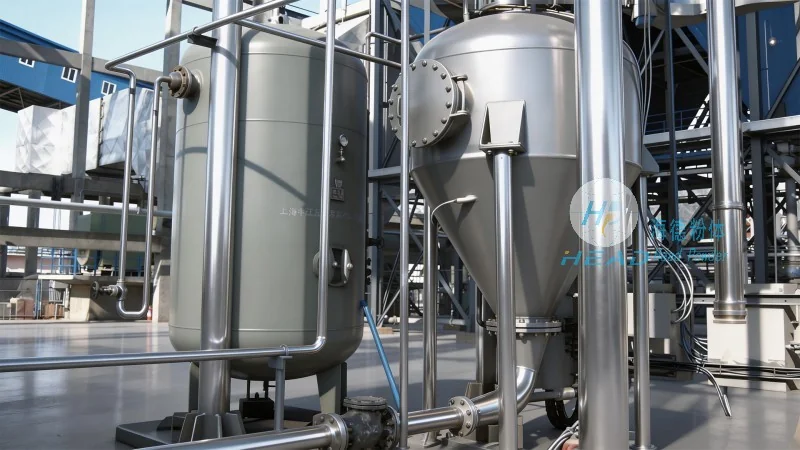
Effective pneumatic conveying of coal gangue powder relies on a series of interconnected components designed to optimize performance and reliability. The core components include a blower or compressor to generate the necessary air pressure, a hopper or feeder to introduce the material into the system, a pipeline network to transport the powder, and a receiver or discharge unit to collect the material at the destination. Additional components may include filters, cyclones, and control valves to manage dust, maintain system pressure, and regulate flow rates. Each component plays a critical role in ensuring the smooth operation of the conveying system and the safe handling of the material.
Advantages of Pneumatic Conveying for Coal Gangue Powder
Compared to mechanical conveying methods, pneumatic systems offer several key benefits that make them ideal for coal gangue powder transport. First, they provide excellent dust control, as the material is contained within a sealed pipeline, reducing the risk of airborne dust and improving workplace safety. Second, pneumatic conveying can handle fine and abrasive particles without causing excessive wear on equipment, extending the lifespan of components. Third, the system allows for flexible routing and long-distance transport, enabling material to be moved from one location to another without the need for intermediate storage or handling. Additionally, pneumatic systems can operate at varying flow rates, adapting to changing production demands and optimizing energy consumption.

Applications of Pneumatic Conveying in Coal Gangue Processing
The versatility of pneumatic conveying makes it suitable for a wide range of applications within coal gangue processing facilities. Common uses include transporting coal gangue powder from storage silos to processing equipment, moving material between different stages of a production line, and delivering powder to end-use applications such as cement production or soil amendment. In cement manufacturing, for example, coal gangue powder is often used as a supplementary cementitious material, and pneumatic conveying ensures a consistent and controlled feed rate to the kiln. Similarly, in power generation plants, coal gangue powder may be used as a fuel additive, and pneumatic systems facilitate efficient transport to the boiler feed system.
Considerations for Implementing Pneumatic Conveying Systems
While pneumatic conveying offers significant advantages, several factors must be considered when implementing such a system for coal gangue powder. The first consideration is the particle size and moisture content of the material, as these properties affect the system's performance and energy requirements. Coarser particles may require higher air velocities to maintain flow, while higher moisture content can lead to increased friction and potential blockages. Second, the system's capacity and pressure requirements must be matched to the production rate and distance of transport. Overly complex or under-designed systems can result in inefficiencies or equipment failure. Third, maintenance and operational costs must be evaluated, as pneumatic systems require regular cleaning of filters and pipelines to prevent clogging and ensure consistent performance. Proper training for operators and regular system checks are also essential to maximize the lifespan and reliability of the equipment.
Conclusion
Coal gangue powder conveying is a critical aspect of industrial operations, and the choice of conveying method significantly impacts efficiency, safety, and cost. Pneumatic conveying stands out as a highly effective solution for handling fine coal gangue powder, offering advantages in dust control, material handling, and system flexibility. By understanding the key components, advantages, and considerations of pneumatic conveying systems, industrial facilities can optimize their material transport processes and enhance overall operational performance. For businesses seeking reliable and efficient solutions for coal gangue powder handling, companies like Shandong HeadPowder Engineering Co., Ltd. provide specialized expertise and equipment tailored to meet these needs, ensuring safe and effective material transport in various industrial applications.

 Shandong Headpowder Engineering Co., Ltd.
 156-6277-7102(Quản lý Trương)
  0531-83386006
  Thành phố Tế Nam, Tỉnh Sơn Đông, Trung Quốc
Điện thoại
WeChatTư vấn
Lên đầu