Chuyên sâu trong lĩnh vực vật liệu rời công nghiệp, cung cấp giải pháp môi trường thông minh tích hợp cho phối trộn tự động, cấp liệu tập trung, khử lưu huỳnh và khử nitơ khô!
Ammonia fertilizer is a vital component in modern agricultural operations, and the efficient transportation of this material is essential for maintaining productivity and ensuring timely delivery to farms. Among the various methods available for moving ammonia fertilizer, pneumatic conveying has emerged as a highly effective and widely adopted technique. This article provides an overview of common ammonia fertilizer transportation methods, with a specific focus on the advantages and applications of ammonia pneumatic conveying systems, as offered by Shandong HeadPowder Engineering Co., Ltd.
Understanding Ammonia Fertilizer Transportation

Before exploring the specifics of pneumatic conveying, it is crucial to understand the broader context of ammonia fertilizer transportation. Ammonia fertilizer, typically in the form of anhydrous ammonia or ammonium-based compounds, requires specialized handling due to its corrosive and volatile nature. Traditional methods like truck or rail transport have limitations regarding capacity, speed, and safety. These challenges have driven the development of more advanced systems, with pneumatic conveying standing out as a preferred solution for many agricultural and industrial applications.
Key Factors in Selecting Ammonia Fertilizer Transportation Methods
When choosing a transportation method for ammonia fertilizer, several factors must be considered to ensure optimal performance and safety. These factors include the distance to be covered, the volume of fertilizer to be transported, the required delivery speed, and the environmental conditions at the site. Additionally, regulatory compliance and minimizing environmental impact are critical considerations. Pneumatic conveying systems are particularly well-suited for applications where these factors align with the capabilities of the technology.
Common Ammonia Fertilizer Transportation Methods

Several methods are used to transport ammonia fertilizer, each with its own advantages and limitations. The primary methods include truck transport, rail transport, and pneumatic conveying. Truck transport is the most common method for short to medium distances, offering flexibility and direct delivery to farms. However, it has limitations in terms of capacity and can be affected by traffic conditions. Rail transport is suitable for long-distance transport, particularly for bulk quantities, but it requires dedicated infrastructure and longer lead times. Pneumatic conveying, on the other hand, provides a continuous and automated solution that can handle large volumes over long distances with minimal human intervention.
Ammonia Pneumatic Conveying: A Detailed Overview
Ammonia pneumatic conveying systems utilize air or other gases to transport solid or liquid materials through a pipeline. In the case of ammonia fertilizer, the system typically involves a hopper, a conveyor line, and a receiver. The fertilizer is fed into the hopper, where it is mixed with air or a carrier gas. The mixture is then propelled through the pipeline to the destination, where it is separated from the gas and collected. This process is highly efficient, as it can transport large volumes of material over long distances with minimal energy consumption compared to other methods.
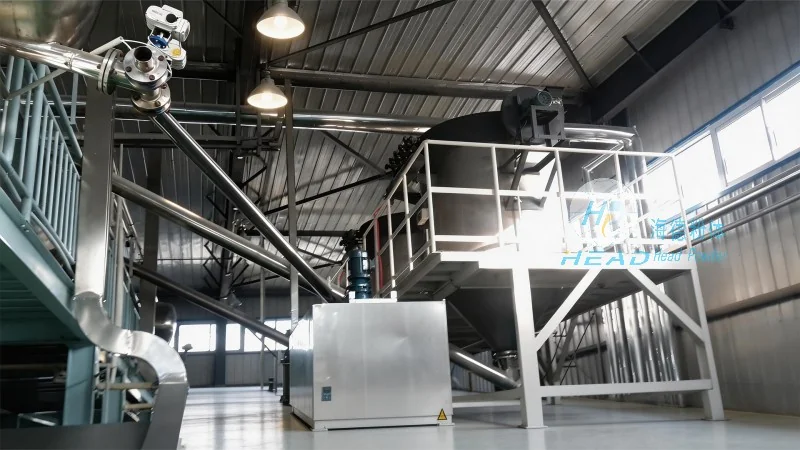
Advantages of Ammonia Pneumatic Conveying
Ammonia pneumatic conveying offers several key advantages that make it a preferred choice for many applications. One of the most significant benefits is its ability to handle large volumes of material continuously. This reduces the need for frequent loading and unloading, improving overall efficiency and reducing labor costs. Additionally, pneumatic conveying systems are highly flexible, allowing for changes in the route or destination without major modifications to the infrastructure. The technology also provides better control over the material flow, minimizing the risk of spills or leaks, which is critical for maintaining safety and environmental compliance.
Applications of Ammonia Pneumatic Conveying

The applications of ammonia pneumatic conveying are diverse and widespread. It is commonly used in agricultural settings to transport fertilizer from storage facilities to farms, as well as in industrial settings for the movement of ammonia-based products. The system is particularly effective in areas with challenging terrain or limited access, where traditional truck or rail transport may be impractical. Furthermore, pneumatic conveying systems can be integrated with other processes, such as mixing or packaging, to create a seamless production line.
Key Considerations for Implementing Ammonia Pneumatic Conveying Systems
While ammonia pneumatic conveying offers numerous benefits, there are several key considerations to keep in mind when implementing such a system. First, the design of the system must account for the corrosive nature of ammonia, requiring materials that are resistant to chemical attack. Stainless steel or specialized coatings are often used for components that come into direct contact with the fertilizer. Second, the system must be equipped with proper safety features, such as pressure relief valves and gas detection systems, to prevent accidents and ensure compliance with safety regulations. Third, regular maintenance is essential to ensure the longevity and efficiency of the system, as any blockages or leaks can significantly impact performance.
Conclusion
In conclusion, ammonia pneumatic conveying is a highly effective and efficient method for transporting ammonia fertilizer. It offers numerous advantages over traditional methods, including high capacity, flexibility, and improved safety. By understanding the key factors and considerations involved in implementing such a system, agricultural and industrial operations can optimize their fertilizer transportation processes and enhance overall productivity. As the demand for ammonia fertilizer continues to grow, the adoption of advanced transportation technologies like pneumatic conveying will play a crucial role in meeting the needs of modern agriculture.

 Shandong Headpowder Engineering Co., Ltd.
 156-6277-7102(Quản lý Trương)
  0531-83386006
  Thành phố Tế Nam, Tỉnh Sơn Đông, Trung Quốc
Điện thoại
WeChatTư vấn
Lên đầu