Chuyên sâu trong lĩnh vực vật liệu rời công nghiệp, cung cấp giải pháp môi trường thông minh tích hợp cho phối trộn tự động, cấp liệu tập trung, khử lưu huỳnh và khử nitơ khô!
When it comes to handling limestone, selecting the right conveying method is crucial for efficiency, cost-effectiveness, and operational safety. Limestone, a widely used material in industries such as construction, agriculture, and chemical manufacturing, requires reliable transport solutions to move it from storage to processing or end-use locations. This article explores common limestone conveying methods, with a particular focus on the advantages and applications of pneumatic conveying systems. The information is presented by Shandong HeadPowder Engineering Co., Ltd., a leading provider of material handling solutions based in China.
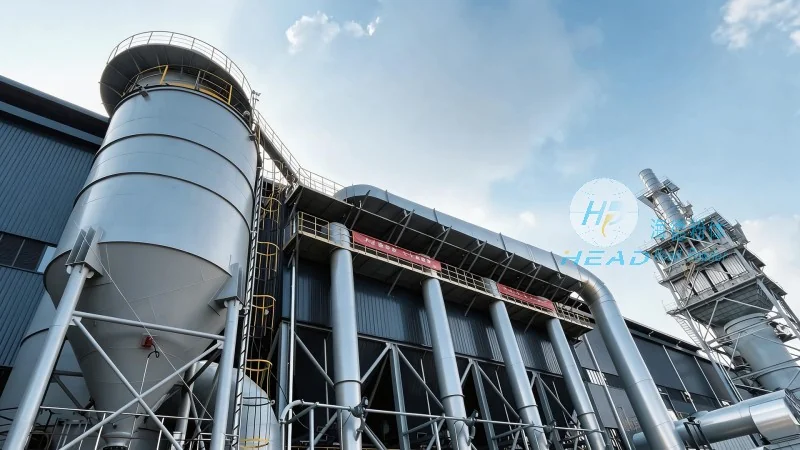
Understanding Limestone and Its Handling Challenges
Limestone, a sedimentary rock composed primarily of calcium carbonate (CaCO₃), is one of the most abundant and versatile materials on Earth. Its applications range from being a key ingredient in cement production to a soil amendment in agriculture and a raw material for various chemical processes. However, due to its bulk density, particle size, and sometimes abrasive nature, limestone presents unique challenges during transportation. Traditional methods like belt conveyors or bucket elevators may struggle with dust generation, material degradation, or high maintenance costs, especially when dealing with large volumes or long distances.
Common Limestone Conveying Methods
Several methods are commonly used to transport limestone, each with its own set of advantages and limitations. The choice of method depends on factors such as the distance to be covered, the volume of material, the required speed, and the environmental considerations. Below are some of the most prevalent approaches:
Belt Conveyors: The Traditional Workhorse
Belt conveyors are among the most widely used equipment for transporting bulk materials, including limestone. These systems consist of a continuous belt that moves over rollers or pulleys, carrying the material from the loading point to the discharge point. Belt conveyors are particularly effective for horizontal or slightly inclined transport over short to medium distances. They are known for their high capacity, low maintenance, and ability to handle a wide range of particle sizes. However, they have limitations when it comes to vertical lifting or long-distance transport, as the belt may experience wear and tear, and the system may require additional infrastructure like supports and drives.
Bucket Elevators: Vertical Transport Solutions
For vertical or steep incline transport of limestone, bucket elevators are a popular choice. These systems use a series of buckets attached to a chain or belt that moves vertically, lifting the material from a lower to a higher level. Bucket elevators are ideal for applications where the material needs to be elevated to significant heights, such as in cement plants or feed mills. They offer high efficiency and can handle abrasive materials without much wear, as the buckets are typically made of durable materials like steel or rubber. However, they may have lower capacity compared to belt conveyors and require careful maintenance to prevent bucket failure or chain breakage.
Pneumatic Conveying: The Modern Alternative
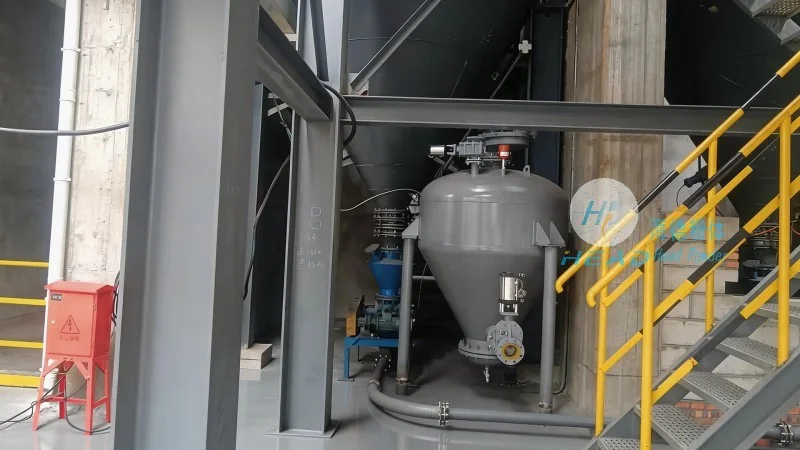
Among the various limestone conveying methods, pneumatic conveying stands out as a modern and highly efficient solution. Pneumatic conveying systems use air or other gases to transport dry bulk materials like limestone through a pipeline. This method eliminates the need for mechanical components such as belts or buckets, reducing maintenance and operational costs. The system typically consists of a blower or compressor to generate the air flow, a hopper to feed the material, and a pipeline network to direct the material to the discharge point. The material is carried by the air stream, either in a dilute phase (where particles are suspended in the air) or a dense phase (where particles are more closely packed), depending on the system design and material characteristics.
Advantages of Limestone Pneumatic Conveying
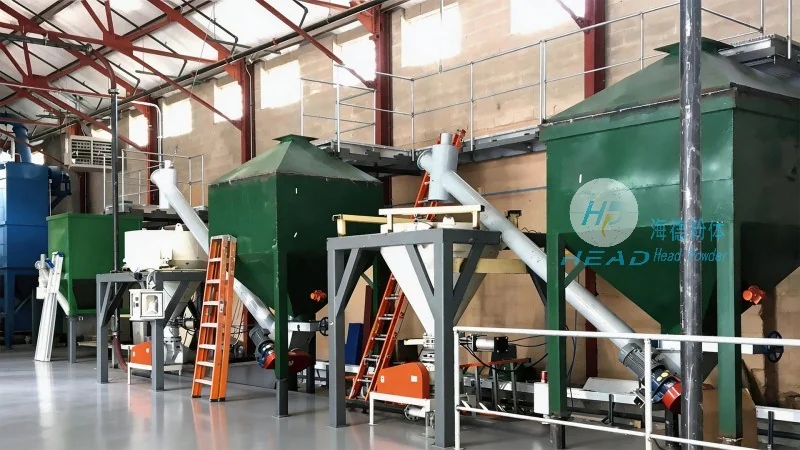
Pneumatic conveying offers several advantages over traditional methods, making it an attractive option for many industries. One of the key benefits is the ability to handle long distances and high elevations with minimal energy consumption. The system can transport limestone over several kilometers without significant loss of material or pressure, which is difficult to achieve with belt conveyors or bucket elevators. Additionally, pneumatic conveying is highly flexible, as the pipeline can be easily reconfigured to change the route or add new discharge points. This flexibility is particularly valuable in industrial settings where space is limited or where the material needs to be delivered to multiple locations.
Another advantage is the reduced risk of dust and material contamination. Unlike belt conveyors, which may generate dust during loading or unloading, pneumatic systems can be designed with enclosed pipelines and proper filtration to minimize dust emissions. This is crucial for maintaining a clean working environment and complying with environmental regulations. Furthermore, pneumatic conveying can handle abrasive materials like limestone without causing excessive wear on the system components, as the material is protected by the air stream. This results in longer service life and lower replacement costs over time.
Applications of Limestone Pneumatic Conveying
Limestone pneumatic conveying is widely used in various industries due to its versatility and efficiency. In the construction industry, it is commonly used to transport limestone from storage silos to cement production lines, ensuring a continuous and reliable supply of raw material. In agriculture, pneumatic systems are employed to distribute limestone as a soil amendment, particularly in large-scale farming operations where precise and uniform application is required. The chemical industry also benefits from pneumatic conveying, as it can transport limestone to reactors or processing units without the risk of contamination or material degradation.
Shandong HeadPowder Engineering Co., Ltd. specializes in designing and manufacturing customized pneumatic conveying systems tailored to the specific needs of clients. With years of experience in the material handling industry, the company provides comprehensive solutions that include system design, equipment selection, installation, and maintenance services. The company's expertise in pneumatic technology ensures that clients receive efficient, reliable, and cost-effective solutions for their limestone conveying requirements.

 Shandong Headpowder Engineering Co., Ltd.
 156-6277-7102(Quản lý Trương)
  0531-83386006
  Thành phố Tế Nam, Tỉnh Sơn Đông, Trung Quốc
Điện thoại
WeChatTư vấn
Lên đầu