

Common Sorghum Conveying Methods: An Overview of Sorghum Pneumatic Conveying
Sorghum, a versatile cereal grain widely utilized in food products, animal feed, and industrial applications, necessitates efficient and reliable conveying systems to ensure smooth processing and handling. The choice of conveying method significantly impacts operational efficiency, product quality, and overall cost-effectiveness in grain handling operations. This article explores common sorghum conveying methods, with a particular focus on the advantages and applications of pneumatic conveying systems, as exemplified by the expertise of Shandong HeadPowder Engineering Co., Ltd., a leading provider in the field.
Understanding Sorghum Conveying: Key Considerations
When selecting a conveying system for sorghum, several factors must be considered, including grain characteristics, handling volume, distance, and the need for dust control. Sorghum, like other grains, has specific properties such as moisture content, bulk density, and particle size that influence the effectiveness of different conveying technologies. Traditional methods, such as belt conveyors and bucket elevators, have been widely used but may face limitations in handling fine or dusty materials. Pneumatic conveying, however, offers a more flexible and efficient solution for transporting sorghum in various industrial settings.
Pneumatic Conveying: The Preferred Method for Sorghum Handling
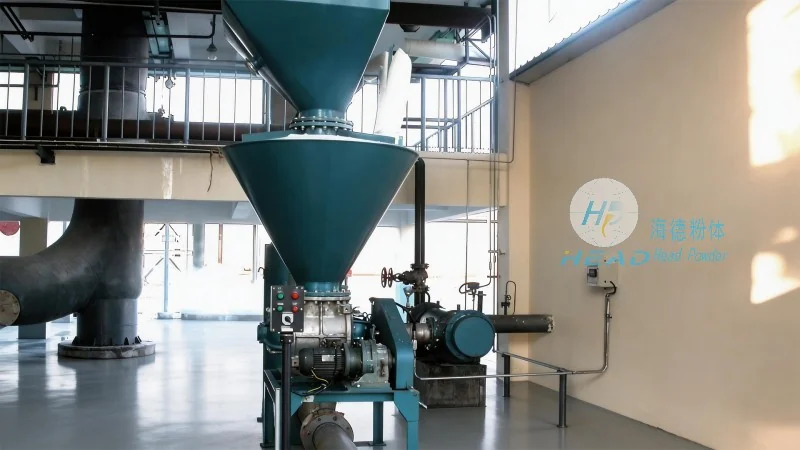
Pneumatic conveying systems utilize air or gas to transport granular materials like sorghum through a pipeline network. This technology is particularly advantageous for sorghum due to its ability to handle fine particles, minimize product degradation, and provide a dust-free environment. Shandong HeadPowder Engineering Co., Ltd. specializes in designing and manufacturing advanced pneumatic conveying solutions tailored to the unique needs of sorghum processing facilities. Their systems are engineered to ensure optimal performance, energy efficiency, and compliance with industry standards.

Key Features of Sorghum Pneumatic Conveying Systems

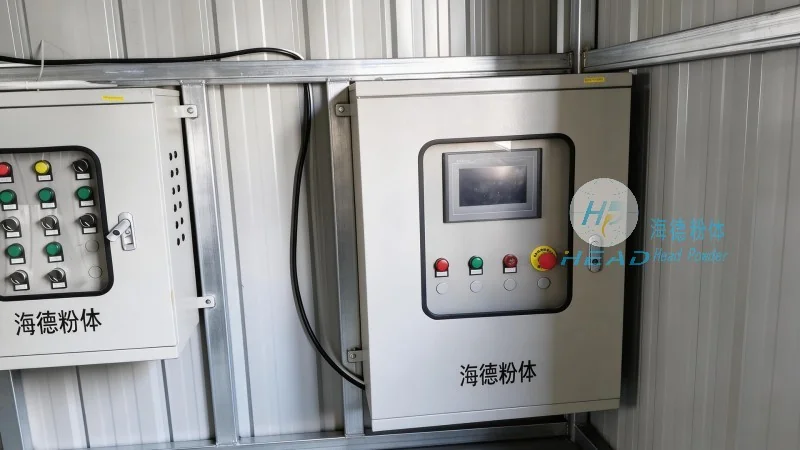
Modern pneumatic conveying systems for sorghum typically incorporate several key features that enhance operational performance. These include positive displacement blowers or rotary lobe pumps to generate the necessary air pressure, flexible pipeline configurations to accommodate varying conveying distances and layouts, and advanced control systems for precise material flow regulation. The use of high-quality materials, such as stainless steel or specialized coatings, ensures durability and resistance to corrosion, which is crucial for handling sorghum and other grains that may contain moisture or acidic components.
Applications and Benefits in Sorghum Processing
Sorghum pneumatic conveying systems are widely used in various stages of the grain processing industry. From raw material intake and storage to processing and packaging, these systems facilitate seamless material transfer. The benefits of using pneumatic conveying for sorghum include reduced labor costs, minimized product breakage, improved hygiene standards, and enhanced safety by eliminating manual handling of dusty materials. Shandong HeadPowder Engineering Co., Ltd. has successfully implemented pneumatic conveying solutions for numerous sorghum processing plants, demonstrating the reliability and efficiency of their technology in real-world applications.
Customization and Integration: Meeting Specific Industry Needs
Recognizing that each sorghum processing facility has unique requirements, Shandong HeadPowder Engineering Co., Ltd. offers customized pneumatic conveying solutions. Their engineering team works closely with clients to design systems that align with specific production capacities, conveying distances, and operational constraints. Whether for small-scale operations or large industrial plants, their solutions can be integrated with existing infrastructure or serve as a standalone system. The company’s commitment to innovation and quality ensures that their pneumatic conveying systems not only meet current industry demands but also adapt to future technological advancements.
Conclusion: The Role of Advanced Conveying in Sorghum Processing
In conclusion, the selection of an appropriate conveying method is critical to the success of sorghum processing operations. Pneumatic conveying, as exemplified by the expertise of Shandong HeadPowder Engineering Co., Ltd., offers a superior alternative to traditional methods, providing efficiency, reliability, and product protection. By investing in advanced pneumatic conveying systems, sorghum processing facilities can enhance their operational performance, reduce costs, and maintain high standards of product quality. With a strong presence in China and a reputation for excellence, Shandong HeadPowder Engineering Co., Ltd. continues to be a trusted partner in delivering innovative conveying solutions for the grain industry.