

Common Rice Husk Conveying Methods: An Introduction to Rice Husk Pneumatic Conveying
When it comes to transporting rice husk, various methods are employed depending on the specific requirements of the operation. Among these, pneumatic conveying stands out as a highly efficient and widely adopted technique. This article provides an overview of common rice husk conveying methods, with a particular focus on the advantages and applications of pneumatic conveying systems.
Introduction to Rice Husk Conveying Systems

Rice husk, a byproduct of rice processing, is often used as a fuel source or for other industrial applications. Efficient transportation of this material is crucial for optimizing the overall workflow in processing facilities. Conveying systems are designed to move rice husk from one location to another with minimal loss and maximum efficiency. The choice of conveying method depends on factors such as the distance to be covered, the volume of material, and the need for dust control.
Pneumatic Conveying: A Key Method for Rice Husk Transport
Pneumatic conveying, also known as air conveying, is a technology that uses compressed air to transport bulk materials like rice husk through a pipeline system. This method offers several advantages over traditional mechanical conveying systems. For instance, it eliminates the need for mechanical components that can wear out over time, reducing maintenance costs and downtime. Additionally, pneumatic conveying can handle materials with high moisture content and can transport materials over longer distances without significant degradation.
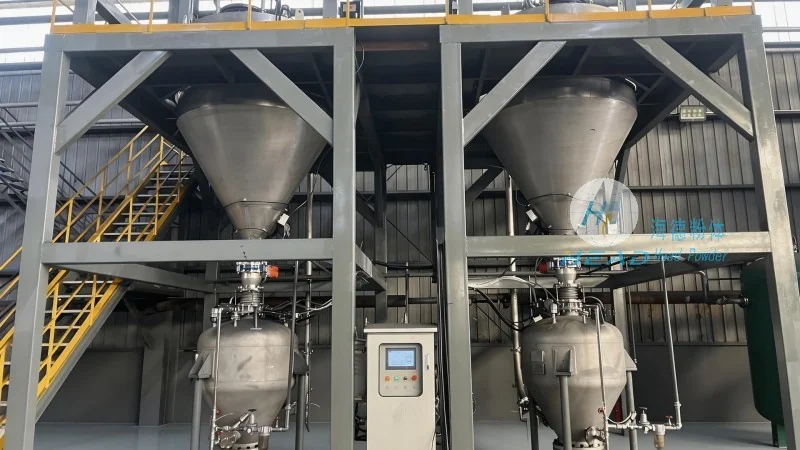
Components of a Pneumatic Conveying System for Rice Husk
A typical pneumatic conveying system for rice husk consists of several key components. These include a hopper or feeder to store and meter the material, a blower or compressor to generate the necessary air pressure, a pipeline network to transport the material, and a receiver or discharge unit to collect the material at the destination. The system may also include accessories such as filters, cyclones, and silencers to manage dust and noise levels.

Advantages of Pneumatic Conveying for Rice Husk
There are numerous benefits associated with using pneumatic conveying for rice husk transport. One of the primary advantages is the ability to handle fine or powdery materials without the risk of blockages or clogging, which is common in mechanical systems. The system also allows for easy integration with other processing equipment, enabling a seamless flow of material through the entire production line. Furthermore, pneumatic conveying can be designed to operate in a closed system, minimizing dust emissions and improving workplace safety.
Applications of Pneumatic Conveying in Rice Husk Processing
Pneumatic conveying is widely used in various stages of rice husk processing. For example, it can be employed to transport rice husk from storage silos to grinding or pelletizing equipment. It is also suitable for moving material between different processing units within a facility, such as from a drying unit to a storage silo. The flexibility of pneumatic conveying systems makes them adaptable to different production scales and operational needs.
Considerations for Selecting a Pneumatic Conveying System

When selecting a pneumatic conveying system for rice husk, several factors should be considered. The first is the material characteristics, including particle size, moisture content, and bulk density. These factors influence the system's design, such as the type of blower and the size of the pipeline. Another consideration is the distance and layout of the conveying route, as these affect the air pressure and energy requirements. Additionally, the budget and maintenance capabilities of the facility play a role in the system's selection.
Conclusion
In conclusion, pneumatic conveying is a highly effective method for transporting rice husk, offering efficiency, flexibility, and reliability. By understanding the components and advantages of pneumatic conveying systems, processing facilities can optimize their operations and improve overall productivity. As a leading provider in this field, Shandong HeadPowder Engineering Co., Ltd. specializes in designing and manufacturing customized pneumatic conveying solutions tailored to the specific needs of rice husk processing industries.