Chuyên sâu trong lĩnh vực vật liệu rời công nghiệp, cung cấp giải pháp môi trường thông minh tích hợp cho phối trộn tự động, cấp liệu tập trung, khử lưu huỳnh và khử nitơ khô!
When it comes to the efficient and safe handling of titanium dioxide, the choice of transport method plays a crucial role in ensuring product integrity and operational efficiency. As a leading manufacturer and supplier in the industry, Shandong HeadPowder Engineering Co., Ltd. (referred to as HeadPowder) understands the importance of selecting the right transport solution for titanium dioxide. This article explores the various methods used for titanium dioxide transportation, highlighting the key considerations and practical applications in industrial settings.

Understanding Titanium Dioxide and Its Transport Requirements
Titanium dioxide, a widely used white pigment and opacifier, is known for its high purity and excellent optical properties. Due to its fine particle size and potential for dust generation, transporting titanium dioxide requires specialized equipment and methods to prevent contamination, caking, and loss of product quality. The choice of transport method is influenced by factors such as the scale of operation, the type of storage and processing facilities, and the destination of the product. HeadPowder, with its extensive experience in titanium dioxide production and handling, emphasizes the need for tailored transport solutions that meet both regulatory and operational standards.
Common Transport Methods for Titanium Dioxide
Several methods are commonly employed for the transport of titanium dioxide, each with its own advantages and suitability for different scenarios. The primary methods include bulk handling via trucks, railcars, and ships, as well as specialized equipment like pneumatic conveying systems and bulk bags. Each method has specific considerations regarding material flow, equipment maintenance, and safety protocols.
Bulk Truck Transportation
Bulk truck transportation is a widely used method for moving titanium dioxide over short to medium distances. Trucks equipped with specialized trailers, often featuring airtight and dust-proof designs, are used to transport the material. The trailers may include features such as agitators or vibration systems to prevent caking and ensure smooth flow during transit. HeadPowder recommends that trucks used for titanium dioxide transport are regularly inspected and maintained to minimize the risk of product spillage or contamination. This method is particularly suitable for deliveries to nearby industrial sites or distribution centers.
Railcar Transportation

For longer-distance transportation, railcar transport offers a cost-effective and efficient solution. Railcars designed for bulk cargo, such as covered hopper cars or tank cars (though less common for powders), are used to transport titanium dioxide. These railcars are equipped with internal liners and sealing mechanisms to prevent dust leakage and maintain product purity. The use of rail transport can significantly reduce transportation costs compared to trucking, especially for large volumes. HeadPowder has collaborated with logistics partners to ensure that railcars are properly prepared and loaded with titanium dioxide, adhering to industry best practices for bulk powder handling.
Marine Transportation
Marine transport is the preferred method for international shipments of titanium dioxide, particularly for large-scale exports. Bulk carriers or specialized vessels equipped with hopper barges are used to transport the material in bulk. The cargo is loaded into the vessel using conveyor systems and is stored in sealed compartments to prevent moisture absorption and contamination. HeadPowder ensures that all marine shipments comply with international maritime regulations and are handled by experienced logistics teams to guarantee timely and secure delivery. This method is ideal for reaching global markets while maintaining the quality and integrity of the titanium dioxide.
Pneumatic Conveying Systems
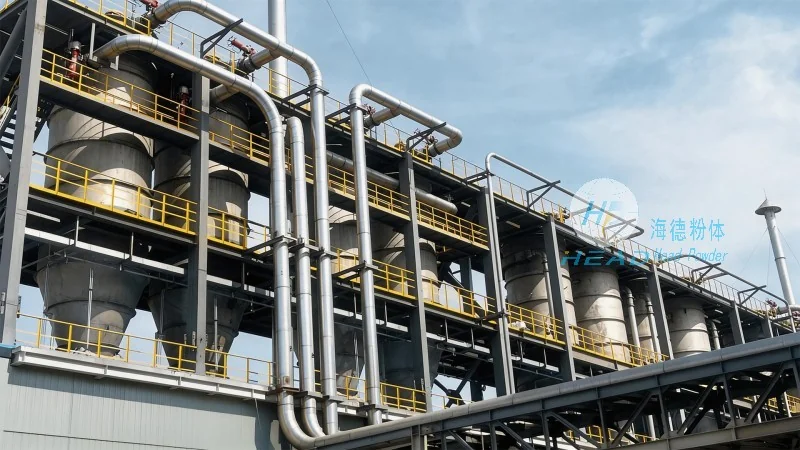
Pneumatic conveying systems are an alternative method for transporting titanium dioxide, especially in industrial plants where the material needs to be moved between processing units or storage silos. These systems use air pressure to move the powder through pipelines, reducing the need for manual handling and minimizing the risk of dust exposure. HeadPowder has implemented advanced pneumatic conveying solutions in its production facilities to enhance operational efficiency and safety. The systems are designed with high-quality materials and filtration to prevent product degradation and ensure compliance with occupational health and safety standards.
Bulk Bags (FIBC) for Transport
Bulk bags, or flexible intermediate bulk containers (FIBC), are commonly used for transporting titanium dioxide in smaller quantities or for distribution to smaller clients. These bags are made of durable fabric and are designed to hold large volumes of powder while providing easy handling and storage. HeadPowder offers titanium dioxide in bulk bags, which are loaded using bulk loaders or conveyor systems and sealed to maintain product quality. This method is suitable for both internal transfers within a facility and external deliveries to customers, providing flexibility in transportation and storage.
Key Considerations for Safe and Efficient Transport
Regardless of the transport method chosen, several key considerations must be addressed to ensure the safe and efficient movement of titanium dioxide. These include proper loading and unloading procedures, the use of appropriate equipment, and adherence to safety regulations. HeadPowder emphasizes the importance of regular maintenance of transport vehicles and equipment to prevent mechanical failures that could lead to product loss or environmental contamination. Additionally, training for personnel involved in the transport process is crucial to ensure they understand the specific handling requirements of titanium dioxide and can respond appropriately to any incidents.
Conclusion
Transporting titanium dioxide requires careful planning and the use of appropriate methods to maintain product quality and operational efficiency. Shandong HeadPowder Engineering Co., Ltd. provides comprehensive solutions for titanium dioxide transportation, leveraging its expertise and industry partnerships to deliver reliable and safe transport services. Whether through bulk truck, rail, marine, or specialized systems, HeadPowder ensures that titanium dioxide is handled with the utmost care, meeting the needs of its customers and adhering to the highest standards of quality and safety.

 Shandong Headpowder Engineering Co., Ltd.
 156-6277-7102(Quản lý Trương)
  0531-83386006
  Thành phố Tế Nam, Tỉnh Sơn Đông, Trung Quốc
Điện thoại
WeChatTư vấn
Lên đầu