Chuyên sâu trong lĩnh vực vật liệu rời công nghiệp, cung cấp giải pháp môi trường thông minh tích hợp cho phối trộn tự động, cấp liệu tập trung, khử lưu huỳnh và khử nitơ khô!
Straw powder, a byproduct of agricultural processes, is widely used in various industries such as animal feed, biofuel production, and fertilizer manufacturing. Efficient and reliable transportation of straw powder is crucial for maintaining production efficiency and ensuring product quality. This article explores the primary methods used for straw powder transportation, highlighting the key considerations and advantages of each approach, with a focus on solutions provided by Shandong HeadPowder Engineering Co., Ltd.

Overview of Straw Powder Transportation
Straw powder, characterized by its fine particle size and low bulk density, presents unique challenges during transportation. Traditional methods like manual handling or simple conveyor belts may not be sufficient for large-scale operations. Modern solutions focus on specialized equipment designed to handle the material's properties, ensuring minimal loss and consistent flow. The choice of transportation method depends on factors like production scale, distance, and the specific requirements of the end application. Shandong HeadPowder Engineering Co., Ltd. specializes in providing tailored transportation solutions to meet these diverse needs.
Common Transportation Methods
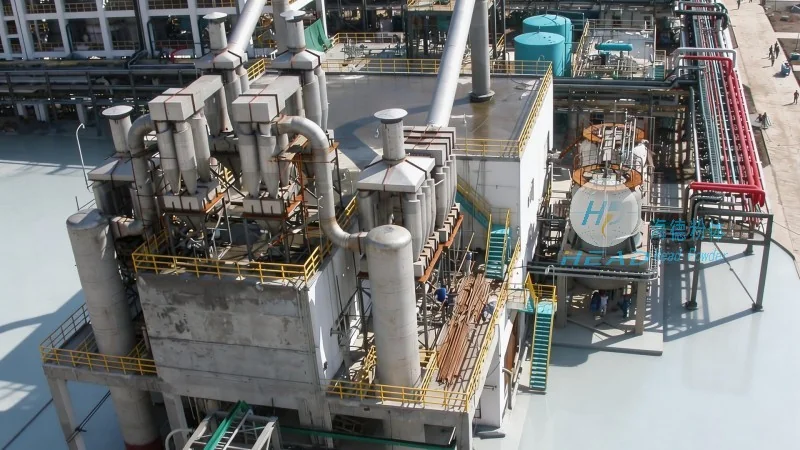
Several methods are commonly employed for straw powder transport, each with distinct mechanisms and applications. The most prevalent approaches include mechanical conveyors, pneumatic conveying systems, and bulk handling solutions. Each method is tailored to address the specific needs of the industry, balancing efficiency, cost, and operational flexibility.
Mechanical Conveyors
Mechanical conveyors are a traditional yet effective method for transporting straw powder. These systems utilize rotating components like screws, belts, or chains to move material along a defined path. Screw conveyors, for instance, are particularly suitable for vertical or inclined transport, as they can handle fine powders without clogging. Belt conveyors, on the other hand, are ideal for horizontal or slightly inclined movements, providing a continuous and steady flow. Mechanical conveyors are often chosen for their simplicity, low maintenance requirements, and ability to operate in various environments. They are commonly used in smaller-scale operations or where the distance between production and processing areas is relatively short.

Pneumatic Conveying Systems
Pneumatic conveying systems represent a more advanced solution for straw powder transport, leveraging air pressure to move material through a pipeline. These systems are categorized into two main types: pressure and vacuum. Pressure systems use compressed air to push the powder forward, while vacuum systems use a vacuum to pull the material. Pneumatic conveying offers several advantages, including high capacity, minimal product degradation, and the ability to transport material over longer distances without the need for intermediate storage. This method is particularly effective for fine powders, as it prevents material segregation and maintains consistent particle size distribution. However, it requires careful design to avoid pressure drops and ensure efficient air-powder mixing.
Bulk Handling Solutions
Bulk handling solutions encompass a range of equipment designed for large-scale straw powder transport, often used in industrial settings. These solutions may include silos, hoppers, and loading/unloading systems that facilitate the movement of material from storage to processing units. Silos, for example, are used to store straw powder in bulk quantities, allowing for controlled release and feeding into downstream equipment. Hoppers and feeders work in tandem to regulate the flow of material, ensuring a steady supply to conveyors or processing machinery. Bulk handling systems are essential for large-scale operations, as they can handle high volumes of material efficiently and reduce labor costs associated with manual handling.
Key Considerations for Choosing a Transportation Method
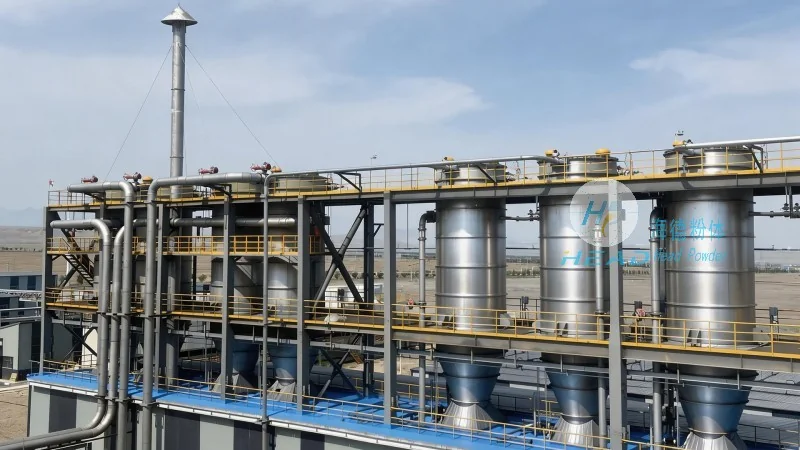
When selecting a straw powder transportation method, several factors must be considered to ensure optimal performance and cost-effectiveness. The first consideration is the scale of the operation, as large-scale facilities may require more robust systems like pneumatic conveying or bulk handling solutions. The distance between production and processing areas is another critical factor, as longer distances may necessitate more advanced systems to maintain material quality. Additionally, the specific properties of the straw powder, such as particle size, moisture content, and flowability, influence the choice of equipment. For instance, highly fine or cohesive powders may require specialized equipment to prevent clogging or segregation. Finally, operational costs, including energy consumption and maintenance requirements, play a significant role in the decision-making process. Companies must balance the initial investment with long-term operational efficiency to choose the most suitable method. Shandong HeadPowder Engineering Co., Ltd. offers expert consultation to help clients evaluate these factors and select the optimal transportation solution.
Conclusion
Efficient straw powder transportation is a critical component of modern agricultural and industrial processes. By understanding the various methods available and considering the specific needs of the operation, businesses can select the most appropriate solution to enhance productivity and maintain product quality. Whether using mechanical conveyors, pneumatic systems, or bulk handling solutions, the goal is to ensure a reliable, cost-effective, and sustainable transport process. As the demand for straw powder continues to grow, advancements in transportation technology will further optimize these processes, supporting the broader adoption of sustainable practices in the industry. Shandong HeadPowder Engineering Co., Ltd. remains committed to providing innovative and efficient solutions to meet the evolving needs of the straw powder transportation market.

 Shandong Headpowder Engineering Co., Ltd.
 156-6277-7102(Quản lý Trương)
  0531-83386006
  Thành phố Tế Nam, Tỉnh Sơn Đông, Trung Quốc
Điện thoại
WeChatTư vấn
Lên đầu