Chuyên sâu trong lĩnh vực vật liệu rời công nghiệp, cung cấp giải pháp môi trường thông minh tích hợp cho phối trộn tự động, cấp liệu tập trung, khử lưu huỳnh và khử nitơ khô!
When it comes to the efficient and reliable transportation of high-calcium powder, selecting the right method is crucial for maintaining product quality and operational efficiency. As a leading provider in the industry, Shandong HeadPowder Engineering Co., Ltd. specializes in delivering tailored solutions that address the unique challenges associated with handling such materials. With a focus on innovation and practical application, this article explores the various methods available for transporting high-calcium powder, highlighting the key factors that influence the choice of a suitable system.
Understanding High-Calcium Powder and Its Transportation Needs
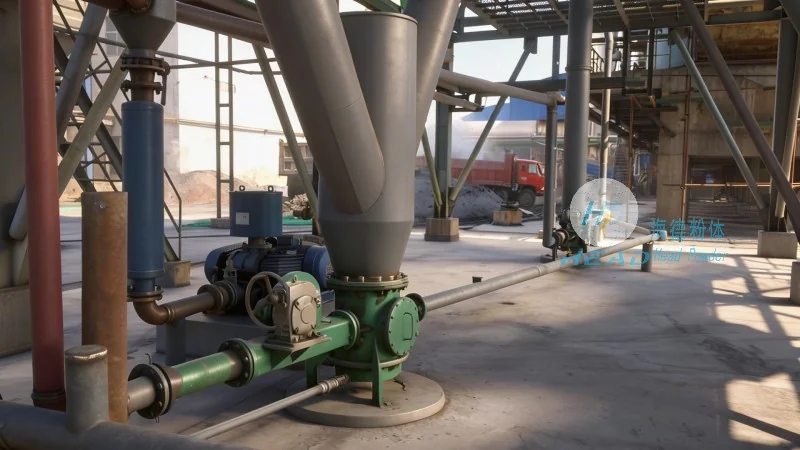
High-calcium powder, often used in applications such as food fortification, animal feed, and industrial processes, requires careful handling due to its fine particle size and potential for dust generation. The primary goal of any transportation system is to move this material from one location to another while preserving its integrity, minimizing waste, and ensuring safety for personnel and equipment. Several factors must be considered when evaluating transportation options, including the powder's bulk density, flowability, moisture content, and the distance or layout of the facility. These variables directly impact the selection of equipment and the overall design of the conveying system.
Common Methods for High-Calcium Powder Transportation
There are several established methods for transporting high-calcium powder, each with its own advantages and limitations. The most common approaches include pneumatic conveying, screw conveyors, and bucket elevators. Pneumatic conveying systems utilize air to transport the powder through a pipeline, offering flexibility in layout and the ability to handle both low and high volumes. This method is particularly effective for materials that are prone to caking or require a dust-free environment. Screw conveyors, on the other hand, use rotating screws to move the powder along a trough, providing a continuous and enclosed transport solution. They are ideal for horizontal or slightly inclined applications and are often preferred for their simplicity and low maintenance requirements. Bucket elevators are designed to lift and transport powder vertically, making them suitable for multi-level facilities where vertical movement is necessary. Each of these methods can be customized to meet specific operational needs, ensuring optimal performance and efficiency.

Pneumatic Conveying Systems: A Detailed Overview
Pneumatic conveying is a versatile and widely used technique for transporting high-calcium powder. This system operates by creating a pressure differential between the inlet and outlet of the pipeline, which draws the powder into the air stream. There are two main types of pneumatic conveying: pressure and vacuum. Pressure systems use a positive pressure to push the material through the pipeline, while vacuum systems use a negative pressure to pull the material. The choice between these two depends on the distance to be covered and the material's characteristics. For high-calcium powder, pressure systems are often preferred due to their ability to handle longer distances and higher material loads. The system typically consists of a hopper, a feeder, a compressor, and a pipeline network. The feeder controls the flow rate of the powder, ensuring a consistent and controlled feed into the system. The compressor generates the necessary pressure to move the material through the pipeline, and the pipeline itself is designed to minimize pressure loss and prevent material buildup. To maintain the integrity of the powder, the system may include features such as cyclones for separation and filters to remove any fine particles from the air stream. This ensures that the high-calcium powder remains free-flowing and free from contamination throughout the transportation process.
Screw Conveyors: Advantages and Applications
Screw conveyors are a popular choice for transporting high-calcium powder due to their simplicity and effectiveness. These systems consist of a rotating screw (also known as a helix) that is enclosed within a trough or tube. The screw rotates, pushing the powder along the length of the conveyor. The design of the screw and the trough can be customized to handle different particle sizes and flow characteristics. For high-calcium powder, a trough with a smooth interior surface is often used to prevent material buildup and ensure smooth flow. The screw speed can be adjusted to control the material's velocity, preventing clogging and maintaining a consistent flow rate. Screw conveyors are particularly suitable for horizontal or slightly inclined applications, as they can handle long distances and multiple bends without significant loss of material. They are also easy to install and maintain, making them a cost-effective solution for many facilities. However, it is important to note that screw conveyors may not be suitable for very fine or cohesive powders, as they can lead to material bridging or blockages. In such cases, additional features such as agitators or variable speed drives may be required to improve flow.
Bucket Elevators: Vertical Transportation Solutions

Bucket elevators are specifically designed for vertical transportation of high-calcium powder, making them essential for facilities with multi-level structures. These systems consist of a vertical or slightly inclined conveyor with a series of buckets attached to a chain or belt. As the conveyor rotates, the buckets scoop up the powder from a hopper at the bottom and transport it to the top, where the material is discharged. The buckets are typically made of durable materials such as stainless steel or rubber to withstand the abrasive nature of high-calcium powder. The speed of the conveyor and the size of the buckets can be adjusted to handle different material loads and flow rates. Bucket elevators are known for their high capacity and efficiency, as they can transport large volumes of powder vertically with minimal energy consumption. They are also enclosed, which helps to contain dust and prevent environmental contamination. However, bucket elevators require regular maintenance to ensure smooth operation and prevent wear and tear on the buckets and chain. Proper lubrication and inspection of the system are essential to maintain its performance and longevity.
Factors to Consider When Choosing a Transportation System
When selecting a transportation system for high-calcium powder, several factors must be carefully evaluated to ensure the best fit for the application. The first consideration is the material's properties, including its bulk density, flowability, and moisture content. These characteristics will determine the most suitable equipment and system design. For example, a cohesive or fine powder may require a pneumatic system with a high-pressure design to prevent blockages, while a free-flowing powder may be better suited for a screw conveyor. The distance and layout of the facility are also critical factors. If the powder needs to be transported over long distances or through multiple levels, a pneumatic system or a bucket elevator may be more appropriate. The available space and budget are additional considerations. Pneumatic systems may require more space for the compressor and pipeline network, while screw conveyors are more compact and cost-effective for shorter distances. The desired level of automation and control is another factor to consider. Modern transportation systems can be equipped with sensors and controls to monitor flow rates, pressure, and material levels, providing real-time data and allowing for automated adjustments. This can improve efficiency and reduce the risk of material loss or equipment damage. Finally, the safety and environmental impact of the system must be evaluated. High-calcium powder can be a dust hazard, so systems with enclosed designs and dust collection features are essential to protect personnel and comply with environmental regulations. By carefully considering these factors, facilities can select a transportation system that meets their specific needs and ensures optimal performance and safety.
Conclusion: Selecting the Right High-Calcium Powder Transportation Method
Efficient transportation of high-calcium powder is essential for maintaining product quality and operational efficiency in various industries. Shandong HeadPowder Engineering Co., Ltd. offers a range of solutions tailored to the unique requirements of high-calcium powder, including pneumatic conveying systems, screw conveyors, and bucket elevators. Each method has its own advantages and is suitable for different applications and operational conditions. The key to selecting the right system lies in understanding the material's properties, the facility's layout, and the specific operational needs. By considering factors such as bulk density, flowability, distance, and safety requirements, facilities can choose a transportation system that maximizes efficiency, minimizes waste, and ensures the integrity of the high-calcium powder throughout the process. With the right system in place, companies can improve their overall productivity and competitiveness in the market. Whether for food fortification, animal feed, or industrial applications, the proper transportation of high-calcium powder is a critical step in achieving success and maintaining high standards of quality.

 Shandong Headpowder Engineering Co., Ltd.
 156-6277-7102(Quản lý Trương)
  0531-83386006
  Thành phố Tế Nam, Tỉnh Sơn Đông, Trung Quốc
Điện thoại
WeChatTư vấn
Lên đầu