

Common Sesame Conveying Methods: An Overview of Pneumatic Conveying for Sesame
When it comes to handling and transporting sesame seeds, selecting the right conveying method is crucial for efficiency, product integrity, and operational costs. Various options exist, each with its own advantages and considerations. This article explores common sesame conveying methods, with a focus on the benefits and applications of pneumatic conveying systems.
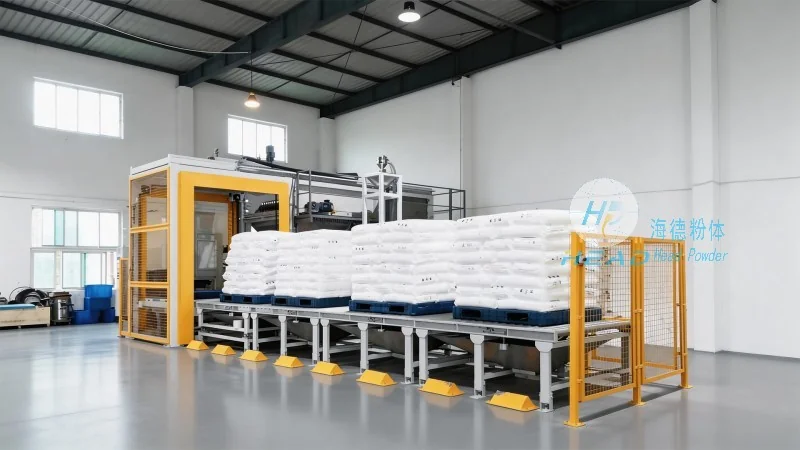
Understanding Sesame Conveying Needs
Sesame seeds are small, lightweight, and often have a delicate texture that requires careful handling to prevent damage or contamination. Traditional methods like manual handling or simple belt conveyors may not be sufficient for large-scale operations or when maintaining product quality is paramount. The choice of conveying system depends on factors such as the volume of material, the distance to be covered, the need for dust control, and the overall production environment.
Pneumatic Conveying: A Modern Solution for Sesame Transport

Pneumatic conveying, also known as air conveying, is a widely used method for transporting granular and powder materials like sesame seeds. This technology utilizes air pressure to move material through a pipeline system, eliminating the need for mechanical components like belts or buckets. The primary types of pneumatic conveying systems include pressure and vacuum systems, each offering unique benefits for sesame handling.
Key Features of Pneumatic Conveying for Sesame
One of the most significant advantages of pneumatic conveying is its ability to maintain product cleanliness and prevent cross-contamination. The enclosed pipeline system ensures that sesame seeds are protected from external elements and contaminants, which is critical for food-grade applications. Additionally, this method offers high flexibility, allowing for multiple transfer points and integration with other processing equipment without the need for complex reconfigurations.
Efficiency and Cost-Effectiveness in Sesame Handling

Compared to traditional conveying methods, pneumatic systems can significantly reduce labor costs and improve operational efficiency. By automating the transport process, companies can achieve higher throughput while minimizing the risk of human error or product damage. The initial investment in pneumatic conveying equipment may be higher than for basic belt conveyors, but the long-term savings in labor, maintenance, and product quality often justify the expense.
Customization and Scalability for Sesame Processing
Shandong HeadPowder Engineering Co., Ltd. specializes in designing and manufacturing customized pneumatic conveying solutions tailored to the specific needs of sesame processing facilities. With years of experience in the industry, the company understands the unique challenges of handling sesame seeds and offers systems that can be scaled to accommodate varying production volumes. Whether for small-scale operations or large industrial plants, their solutions are engineered to ensure reliable and efficient transport of sesame seeds.

Conclusion: Choosing the Right Conveying Method for Sesame
For businesses involved in sesame processing, selecting the appropriate conveying method is a critical decision that impacts overall productivity and product quality. While various options are available, pneumatic conveying stands out as a versatile and effective solution for transporting sesame seeds. By leveraging the expertise of companies like Shandong HeadPowder Engineering Co., Ltd., manufacturers can implement systems that optimize their operations and meet the highest standards of food safety and efficiency.