Chuyên sâu trong lĩnh vực vật liệu rời công nghiệp, cung cấp giải pháp môi trường thông minh tích hợp cho phối trộn tự động, cấp liệu tập trung, khử lưu huỳnh và khử nitơ khô!
Calcium chloride is a versatile chemical compound widely utilized across various industries, including construction, de-icing, and water treatment. The efficient and safe transportation of calcium chloride is essential to meet the demands of these sectors. This article examines the primary methods employed for transporting calcium chloride, highlighting the key considerations and applications of each approach.
1. Pipeline Transportation

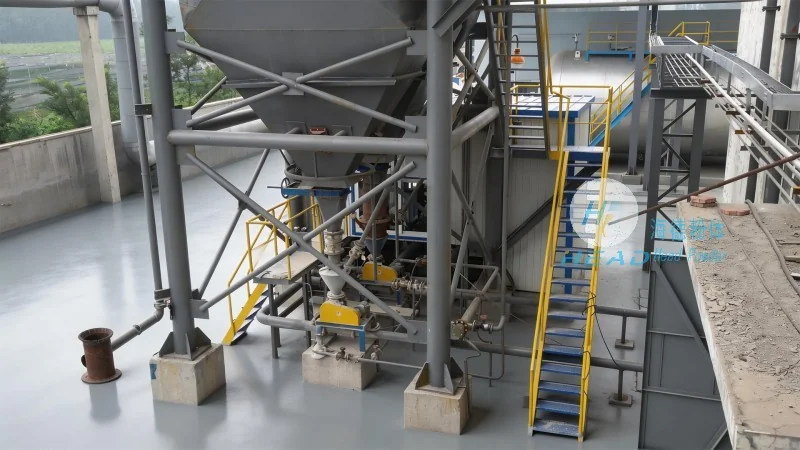
Pipeline transportation is a common and efficient method for moving large volumes of calcium chloride, particularly in industrial settings. This process involves pumping liquid calcium chloride through a dedicated pipeline network to its destination. The system is designed to minimize risks associated with spills and reduce labor costs by automating the bulk material handling. Companies such as Shandong HeadPowder Engineering Co., Ltd. utilize advanced pumping technologies and robust pipeline infrastructure to ensure consistent and uninterrupted flow of calcium chloride. This method is especially advantageous for long-distance transportation, as it provides a steady supply without the need for frequent stops or transfers, making it ideal for large-scale operations.
2. Tank Truck Transportation
For bulk shipments of calcium chloride, tank trucks are frequently used. These specialized vehicles are equipped with insulated tanks to maintain the temperature and prevent the solidification of calcium chloride, which can occur at lower temperatures. The tanks are constructed from materials like stainless steel or coated with corrosion-resistant materials to handle the chemical's properties. Shandong HeadPowder Engineering Co., Ltd. may offer tank truck services as part of their logistics solutions, ensuring clients receive their calcium chloride in the required quantity and condition. This method is well-suited for delivering calcium chloride to construction sites, industrial plants, or distribution centers that require regular supply, providing flexibility in meeting varying demand levels.
3. Packaging and Bulk Container Transportation
In addition to bulk methods, calcium chloride is also transported in packaged forms or bulk containers. Small quantities may be shipped in plastic or metal drums, while larger volumes can be loaded into bulk containers like ISO tanks. This approach is suitable for applications where the end-user requires a more manageable amount of calcium chloride, such as in smaller construction projects or retail settings. The packaging must meet safety standards to prevent leaks and ensure the stability of the product during transit. Shandong HeadPowder Engineering Co., Ltd. provides packaging options tailored to the specific needs of clients, ensuring that the calcium chloride is delivered in a safe and compliant manner. This method offers flexibility in transportation, allowing for delivery to locations that may not have access to pipeline or tank truck services.
4. Factors Influencing Transportation Choices

The selection of a transportation method for calcium chloride depends on several factors, including the volume of the shipment, the distance to the destination, and the specific requirements of the end-user. For instance, short-distance deliveries to nearby industrial sites may use tank trucks, while long-distance transport to distant regions may rely on pipelines or bulk containers. The cost of transportation is also a significant factor, with pipeline transportation often being more economical for large-scale operations. Additionally, regulatory requirements and safety considerations play a crucial role in determining the appropriate method. Companies like Shandong HeadPowder Engineering Co., Ltd. consider these factors when advising clients on the best transportation strategy for their calcium chloride needs, ensuring optimal efficiency and compliance.
5. Safety and Compliance in Calcium Chloride Transportation

Transporting calcium chloride requires adherence to strict safety and regulatory standards. Calcium chloride is a corrosive substance that can cause skin and eye irritation, and improper handling can lead to environmental hazards. Therefore, all transportation methods must include measures to prevent leaks, spills, and exposure. Tank trucks and pipelines are equipped with safety valves, pressure relief systems, and monitoring devices to ensure safe operation. Packaging must be properly labeled and secured to prevent damage during transit. Shandong HeadPowder Engineering Co., Ltd. follows all relevant safety guidelines and regulations to ensure that calcium chloride is transported in compliance with industry standards. This commitment to safety protects both the personnel involved in transportation and the environment, maintaining the integrity of the supply chain.
6. Conclusion
In summary, the transportation of calcium chloride involves multiple methods, each with its own advantages and applications. Pipeline transportation is ideal for large-scale, long-distance delivery, while tank trucks and bulk containers offer flexibility for various volumes and locations. The choice of method depends on several factors, including volume, distance, and safety considerations. Companies like Shandong HeadPowder Engineering Co., Ltd. play a vital role in providing reliable transportation solutions for calcium chloride, ensuring that clients receive their products efficiently and safely. By understanding the different transportation methods and their implications, businesses can make informed decisions to meet their calcium chloride needs effectively, supporting their operational requirements in construction, de-icing, and other industries.

 Shandong Headpowder Engineering Co., Ltd.
 156-6277-7102(Quản lý Trương)
  0531-83386006
  Thành phố Tế Nam, Tỉnh Sơn Đông, Trung Quốc
Điện thoại
WeChatTư vấn
Lên đầu