Chuyên sâu trong lĩnh vực vật liệu rời công nghiệp, cung cấp giải pháp môi trường thông minh tích hợp cho phối trộn tự động, cấp liệu tập trung, khử lưu huỳnh và khử nitơ khô!
Alumina, a crucial material in various industrial applications, requires efficient and reliable transportation methods to ensure its safe delivery from production sites to end-users. The choice of transportation method depends on several factors, including the quantity of alumina, the distance to be covered, and the specific requirements of the end application. In this article, we explore the primary methods used for alumina transportation, highlighting the advantages and considerations for each approach.
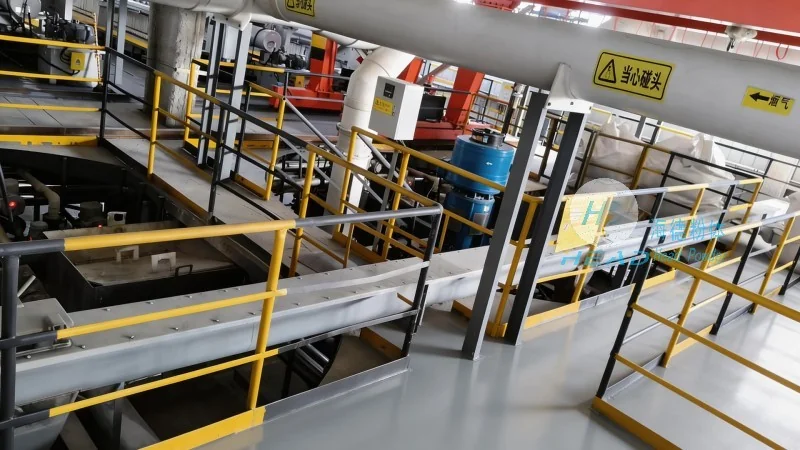
1. Bulk Transportation via Trucks and Trailers
One of the most common methods for transporting alumina is through bulk trucks and trailers. This method is particularly suitable for shorter distances and smaller to medium quantities of alumina. The process typically involves loading the alumina into specialized bulk trucks equipped with airtight containers or hopper systems to prevent dust and contamination. The trucks are designed to maintain the integrity of the material during transit, ensuring that it remains in a stable condition. This method offers flexibility and can be easily adapted to meet the needs of different clients, making it a popular choice for many industrial operations.
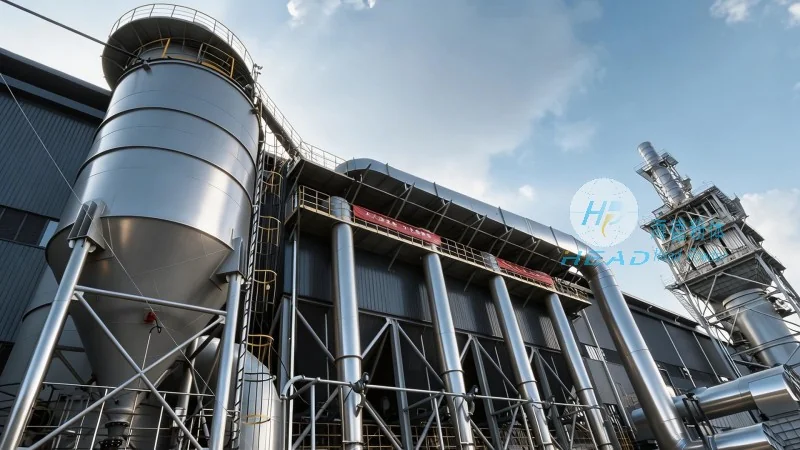
2. Rail Transportation with Covered Hoppers
For longer distances and larger volumes of alumina, rail transportation using covered hoppers is a highly efficient option. Covered hoppers are specialized railcars designed to carry bulk materials while protecting them from weather conditions and dust. These railcars are often equipped with loading and unloading mechanisms that allow for quick and efficient transfer of alumina between trucks and the railcars. Rail transportation is particularly advantageous for companies that need to transport alumina over long distances, as it can reduce transportation costs and minimize the environmental impact compared to road transport.
3. Waterway Transport Using Bulk Carriers
Waterway transport, particularly through bulk carriers, is another viable option for alumina transportation, especially when dealing with very large quantities or when the destination is near a port. Bulk carriers are large vessels designed to carry bulk commodities, and they can be loaded with alumina directly from production facilities or via trucks at the port. This method is highly cost-effective for long-distance transport and can handle massive volumes of alumina. However, it requires the material to be transported to and from the port, which may involve additional logistics and handling steps.
4. Specialized Handling and Storage Solutions
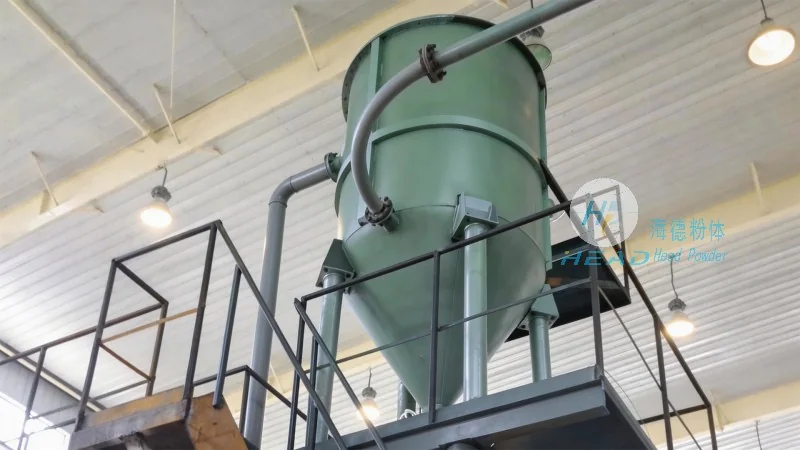
In addition to the primary transportation methods, specialized handling and storage solutions play a critical role in the overall alumina supply chain. For example, silos and storage tanks are used to store alumina before it is transported, ensuring that the material remains in optimal condition. These storage facilities are often equipped with dust control systems and ventilation to maintain a safe working environment. Furthermore, specialized equipment such as conveyor belts and pneumatic systems may be used to transfer alumina between storage and transportation vehicles, minimizing the risk of spills or contamination.
Company Information: Shandong HeadPowder Engineering Co., Ltd.
Shandong HeadPowder Engineering Co., Ltd., commonly known as headpowder, is a leading provider of alumina transportation solutions. With a strong presence in Shandong, China, the company specializes in designing and implementing efficient transportation systems tailored to the specific needs of its clients. By leveraging advanced technology and expertise, headpowder ensures that alumina is transported safely and reliably, meeting the highest standards of quality and compliance.

 Shandong Headpowder Engineering Co., Ltd.
 156-6277-7102(Quản lý Trương)
  0531-83386006
  Thành phố Tế Nam, Tỉnh Sơn Đông, Trung Quốc
Điện thoại
WeChatTư vấn
Lên đầu