Chuyên sâu trong lĩnh vực vật liệu rời công nghiệp, cung cấp giải pháp môi trường thông minh tích hợp cho phối trộn tự động, cấp liệu tập trung, khử lưu huỳnh và khử nitơ khô!
Shandong HeadPowder Engineering Co., Ltd., commonly known as HeadPowder, is a professional manufacturer and supplier specializing in rice husk handling and transportation solutions. With a focus on efficient and reliable systems, the company provides tailored equipment for various industrial applications, ensuring optimal performance and durability in rice husk processing operations. HeadPowder is located in Shandong, China, and has established itself as a leading provider of rice husk handling equipment.
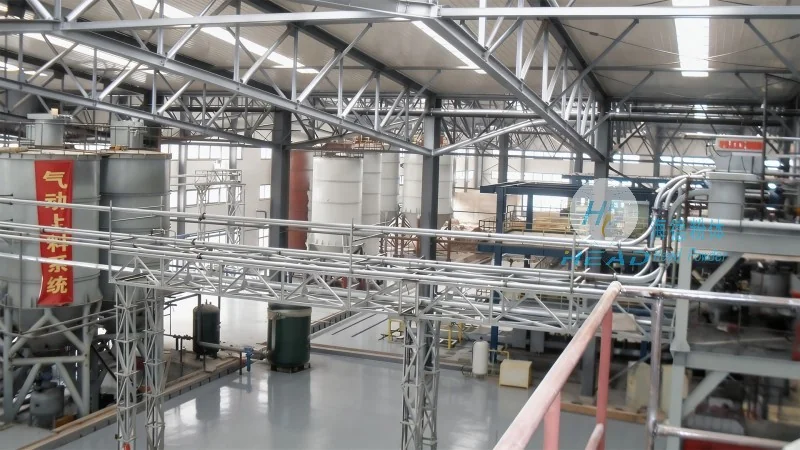
Common Methods for Rice Husk Transportation
When it comes to transporting rice husk, several methods are commonly employed in industrial settings. Each method has its own advantages and is suitable for different operational requirements. The primary approaches include mechanical conveyors, pneumatic conveying systems, and gravity-based transport solutions. These methods are designed to handle the unique characteristics of rice husk, such as its lightweight, dusty nature, and varying particle sizes.

Mechanical Conveyors for Rice Husk
One of the most traditional and widely used methods for rice husk transportation is through mechanical conveyors. These systems utilize components such as belt conveyors, screw conveyors, and chain conveyors to move the material from one location to another. Belt conveyors are particularly effective for long-distance horizontal or slight incline transport, while screw conveyors excel in vertical or inclined applications, ensuring consistent and controlled movement of the rice husk. The mechanical design of these conveyors allows for high throughput and minimal maintenance, making them a reliable choice for many rice processing facilities. For example, a belt conveyor can efficiently transport large volumes of rice husk from a storage silo to a processing unit, maintaining a steady flow without the need for frequent adjustments.
Pneumatic Conveying Systems
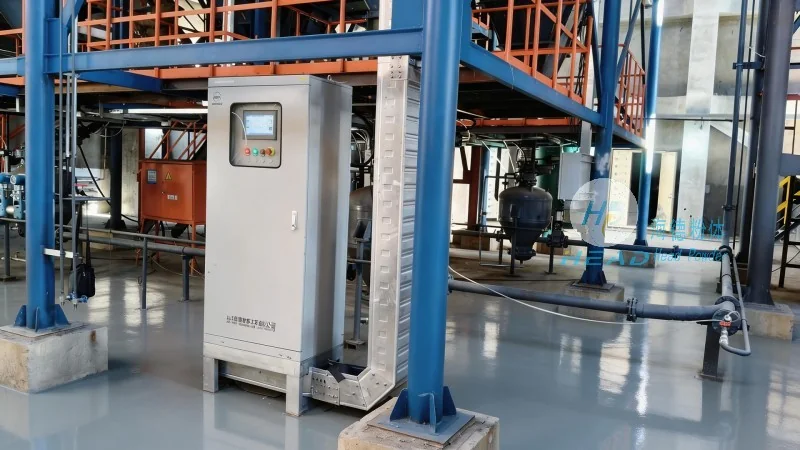
Another popular method is pneumatic conveying, which uses air pressure to transport rice husk through a pipeline system. This method is highly efficient for both short and long distances, offering flexibility in layout and the ability to handle fine or dusty materials. Pneumatic systems can be categorized into pressure and vacuum types. Pressure systems use compressed air to push the material forward, while vacuum systems use suction to draw the material into the pipeline. The choice between these depends on the specific requirements of the rice husk characteristics and the distance to be covered. Pneumatic conveying is particularly advantageous for applications requiring dust control and enclosed transport, minimizing environmental impact and ensuring safety in the workplace. For instance, a vacuum system can effectively collect rice husk from a processing machine and transport it to a storage bin, preventing dust from spreading and maintaining a clean working environment.
Gravity-Based Transport Solutions

For certain scenarios where the rice husk needs to be transported over short distances with minimal energy input, gravity-based systems are employed. These typically involve inclined chutes or troughs that allow the material to slide down due to gravity. This method is simple and cost-effective, especially for handling bulk quantities of rice husk in horizontal or slight incline directions. However, it is limited by the need for appropriate slope angles and is not suitable for vertical transport or long distances. Gravity-based transport is often used in combination with other systems to supplement the overall rice husk handling process, providing an additional layer of efficiency without the need for additional power sources. For example, a gravity chute can be used to move rice husk from a hopper to a conveyor belt, reducing the need for mechanical power and simplifying the overall setup.
Factors to Consider When Choosing a Transportation Method
When selecting the appropriate rice husk transportation method, several factors must be taken into account. These include the volume and characteristics of the rice husk (such as moisture content, particle size, and bulk density), the distance and layout of the processing facility, and the required throughput and speed. Additionally, considerations such as cost, maintenance requirements, and environmental regulations play a crucial role in the decision-making process. For instance, if the rice husk is fine and dusty, pneumatic conveying may be preferred to prevent dust accumulation and ensure compliance with air quality standards. Conversely, if the material is coarse and requires long-distance horizontal transport, a belt conveyor might be more suitable due to its high capacity and durability. The choice of method also depends on the available space and the overall layout of the processing plant, as some systems require more horizontal or vertical space than others.

 Shandong Headpowder Engineering Co., Ltd.
 156-6277-7102(Quản lý Trương)
  0531-83386006
  Thành phố Tế Nam, Tỉnh Sơn Đông, Trung Quốc
Điện thoại
WeChatTư vấn
Lên đầu