Chuyên sâu trong lĩnh vực vật liệu rời công nghiệp, cung cấp giải pháp môi trường thông minh tích hợp cho phối trộn tự động, cấp liệu tập trung, khử lưu huỳnh và khử nitơ khô!
Light calcium, also known as calcium carbonate, is a widely used industrial material in various sectors such as construction, plastics, and papermaking. The efficient transportation of light calcium products is crucial for maintaining supply chain integrity and ensuring product quality. Shandong HeadPowder Engineering Co., Ltd., a leading manufacturer based in Shandong, China, specializes in the production and transportation of high-quality light calcium products. This article explores the common methods and considerations for transporting light calcium products.
Common Packaging Options for Light Calcium Products
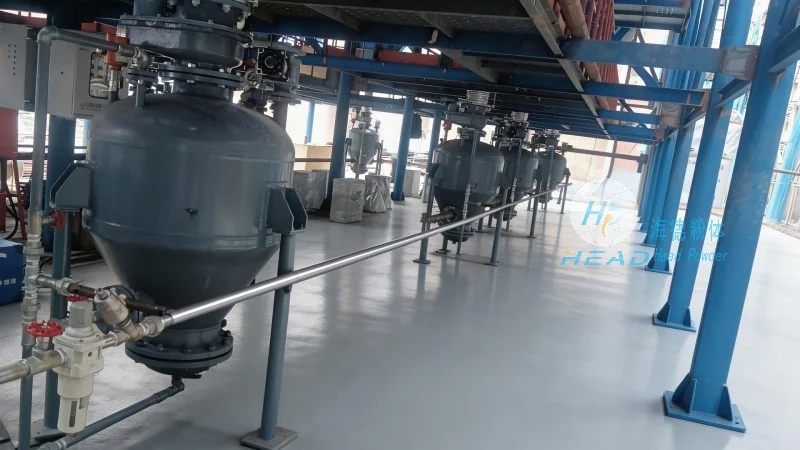
Light calcium products are typically transported in different packaging formats to suit various customer needs and transportation requirements. The primary packaging options include:
Plastic Bags: Small to medium-sized light calcium products are often packaged in high-density polyethylene (HDPE) bags. These bags are lightweight, durable, and provide good protection against moisture and dust. They are suitable for road and short-distance transportation.
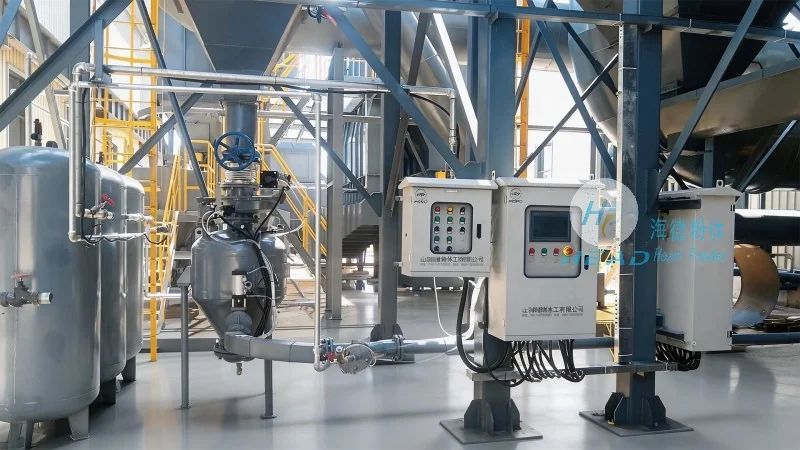
Fiberglass Drums: For higher purity or more sensitive light calcium products, fiberglass drums are used. These containers are corrosion-resistant, leak-proof, and can be stacked securely during transport. They are commonly used for both road and rail transport.
Steel Bulk Containers: Large-scale production and transportation often utilize steel bulk containers, also known as IBCs (Intermediate Bulk Containers). These containers can hold substantial quantities of light calcium, reducing handling costs and improving efficiency in bulk logistics.
Transportation Methods and Their Applications
The choice of transportation method depends on the packaging type, destination, and volume of the light calcium products. The main transportation modes include:
Road Transportation: Trucks are the most common mode for transporting light calcium products, especially for regional or short-distance deliveries. Specialized trucks with enclosed trailers are used to protect the product from environmental factors. The trucks are equipped with air suspension and anti-slip flooring to ensure safe handling during transit.
Rail Transportation: For long-distance and bulk shipments, rail transport is an economical and reliable option. Light calcium products are loaded into railcars, which are designed to minimize dust and prevent contamination. Rail transport is particularly effective for connecting major industrial centers and reducing road traffic.
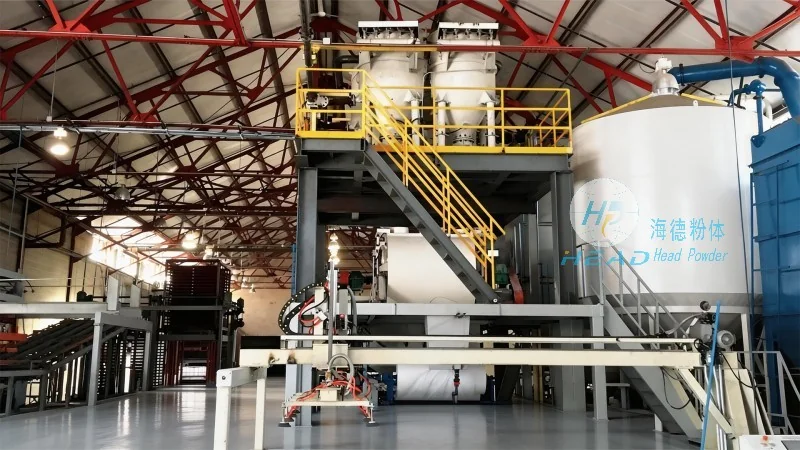
Marine Transportation: For international exports, marine transport is the primary method. Light calcium products are shipped in bulk carriers or specialized containers. The cargo is sealed in bulk containers to prevent leakage and contamination during sea travel. This method is cost-effective for large volumes and long distances.
Key Considerations for Safe and Efficient Light Calcium Transportation
Ensuring the safety and integrity of light calcium products during transportation requires careful planning and adherence to industry standards. Some critical considerations include:
Moisture Control: Light calcium is hygroscopic, meaning it absorbs moisture from the air. Proper packaging and transportation in dry conditions are essential to prevent clumping and maintain product quality. Shandong HeadPowder Engineering Co., Ltd. uses moisture-resistant packaging and provides desiccants in some shipments to mitigate this risk.
Dust Management: Light calcium is a fine powder, and dust can cause respiratory issues and equipment damage. During transport, enclosed containers and sealed packaging are used to contain dust. Additionally, trucks and railcars are equipped with dust suppression systems to minimize environmental impact and ensure worker safety.
Temperature and Humidity: Extreme temperatures and humidity can affect the physical properties of light calcium. Transportation should be scheduled to avoid prolonged exposure to high temperatures or humidity. The use of climate-controlled containers is recommended for sensitive applications.
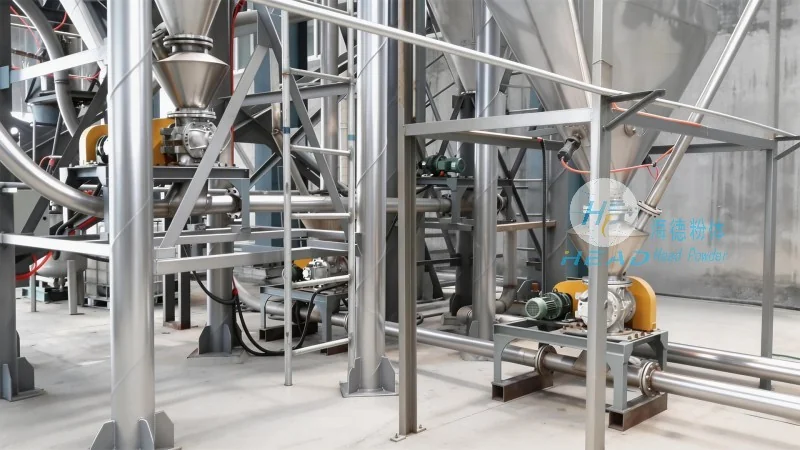
Handling and Loading: Proper loading techniques are crucial to prevent product degradation and equipment damage. Light calcium products are loaded carefully to avoid segregation and ensure uniform distribution. The containers are secured with straps or bolts to prevent shifting during transit.
Conclusion
Efficient and safe transportation of light calcium products is vital for meeting customer demands and maintaining product quality. Shandong HeadPowder Engineering Co., Ltd. employs a range of packaging and transportation methods tailored to customer needs, ensuring reliable delivery of high-quality light calcium products from its facilities in Shandong, China. By adhering to industry best practices and using appropriate packaging and transport solutions, the company ensures that light calcium products reach their destinations in optimal condition, supporting the diverse applications in which they are used.

 Shandong Headpowder Engineering Co., Ltd.
 156-6277-7102(Quản lý Trương)
  0531-83386006
  Thành phố Tế Nam, Tỉnh Sơn Đông, Trung Quốc
Điện thoại
WeChatTư vấn
Lên đầu