Chuyên sâu trong lĩnh vực vật liệu rời công nghiệp, cung cấp giải pháp môi trường thông minh tích hợp cho phối trộn tự động, cấp liệu tập trung, khử lưu huỳnh và khử nitơ khô!
When it comes to industrial applications, the efficient and reliable delivery of pigments is a critical factor that impacts production quality and process consistency. Various methods have been developed to address the unique challenges of transporting pigments from storage to processing equipment. Understanding these methods is essential for selecting the most suitable solution for specific operational needs.

Overview of Common Pigment Delivery Systems
In industrial settings, pigment delivery systems are designed to handle the physical properties of pigments, such as particle size, density, and flow characteristics. The choice of delivery method depends on factors like the scale of operation, the type of pigment, and the equipment used in the production line. Key delivery systems include mechanical pumps, gravity-fed systems, and pneumatic (air-assisted) systems, each with distinct advantages and applications.
1. Mechanical Pump Systems for Pigment Transfer
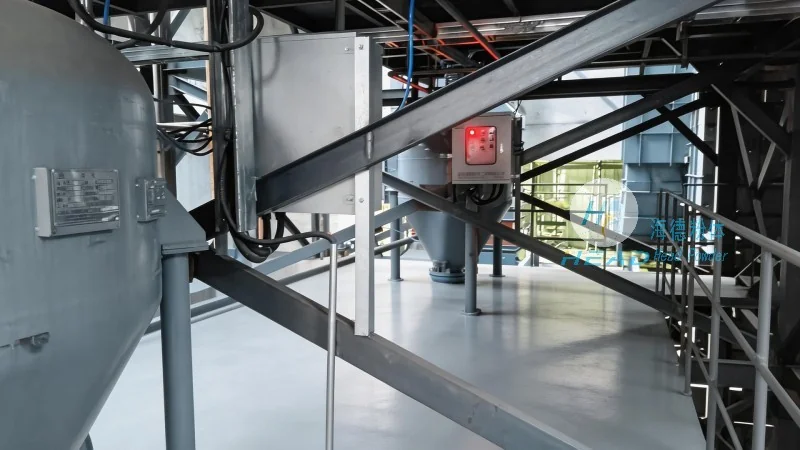
One of the most common and versatile methods for pigment delivery is through mechanical pump systems. These systems utilize pumps, such as rotary lobe pumps or gear pumps, to transfer pigments from storage tanks or silos to processing equipment. Mechanical pumps are particularly effective for handling pigments with higher viscosities or those that tend to settle, as they provide consistent pressure and flow rates. The robust design of these pumps ensures minimal wear and tear, even when dealing with abrasive pigments. For instance, in applications involving high-purity pigments, mechanical pumps can maintain the integrity of the pigment particles, preventing degradation or agglomeration during transfer.
2. Gravity-Fed Delivery Systems
Gravity-fed systems represent a simpler and often cost-effective approach to pigment delivery. In this method, pigments are stored in elevated tanks or hoppers, allowing gravity to drive the flow of material into processing equipment. This approach is ideal for pigments with good flow characteristics and lower viscosity, where the risk of clogging is minimal. Gravity-fed systems are commonly used in smaller-scale operations or for pigments that do not require high-pressure transfer. The simplicity of this method reduces maintenance requirements and energy consumption, making it a practical choice for many industrial applications. However, it may not be suitable for pigments that tend to settle or have poor flowability, as the system may struggle to maintain a consistent flow rate.
3. Pneumatic (Air-Assisted) Delivery Systems
Pneumatic delivery systems use compressed air to transport pigments through pipelines or hoses. This method is particularly effective for handling fine powders or pigments that are difficult to pump mechanically. The air flow creates a fluidized bed of pigment particles, allowing them to move through the system with minimal pressure drop. Pneumatic systems are often used in applications where the pigment needs to be transported over longer distances or to multiple processing points. They are also suitable for pigments that are sensitive to mechanical stress, as the air flow reduces the risk of particle damage. However, these systems require careful control of air pressure and flow rates to prevent dust emissions and ensure efficient operation.

4. Hybrid Delivery Solutions
In many industrial scenarios, a combination of delivery methods may be employed to address specific challenges. For example, a hybrid system might use a mechanical pump to transport pigments from a storage silo to a central hopper, followed by a gravity-fed system to distribute the pigment to individual processing units. This approach leverages the strengths of each method, ensuring efficient and reliable pigment delivery while minimizing operational costs. Hybrid systems are particularly useful in large-scale production facilities where different pigments or materials require different handling approaches.

Shandong HeadPowder Engineering Co., Ltd. and Pigment Delivery Solutions
Shandong HeadPowder Engineering Co., Ltd., operating under the brand name HeadPowder, specializes in providing comprehensive pigment delivery solutions tailored to the needs of various industries. With a focus on innovation and quality, HeadPowder offers a range of equipment and systems designed to enhance the efficiency and reliability of pigment transfer processes. The company’s expertise in mechanical engineering and material handling allows them to develop customized solutions that address the unique challenges faced by clients. HeadPowder’s products include advanced pump systems, gravity-fed hoppers, and pneumatic delivery units, all engineered to meet the highest standards of performance and durability. By leveraging their experience in the industry, HeadPowder helps clients optimize their pigment delivery processes, reducing downtime and improving overall production efficiency.
Conclusion
The choice of pigment delivery method is a critical decision that impacts the success of industrial operations. Whether using mechanical pumps, gravity-fed systems, or pneumatic solutions, each approach has its advantages and limitations. By understanding the specific requirements of the application, industrial operators can select the most appropriate delivery system to ensure consistent pigment flow and maintain product quality. Companies like Shandong HeadPowder Engineering Co., Ltd. play a vital role in providing the necessary equipment and expertise to implement effective pigment delivery solutions, supporting the growth and efficiency of various industries.

 Shandong Headpowder Engineering Co., Ltd.
 156-6277-7102(Quản lý Trương)
  0531-83386006
  Thành phố Tế Nam, Tỉnh Sơn Đông, Trung Quốc
Điện thoại
WeChatTư vấn
Lên đầu