Chuyên sâu trong lĩnh vực vật liệu rời công nghiệp, cung cấp giải pháp môi trường thông minh tích hợp cho phối trộn tự động, cấp liệu tập trung, khử lưu huỳnh và khử nitơ khô!
When it comes to the efficient and safe handling of lithium-ion batteries, selecting the right transportation method is crucial for industrial operations. The choice of battery handling system directly impacts productivity, safety, and overall operational costs. This article provides a detailed comparison of common lithium-ion battery handling methods, examining their advantages and disadvantages to help businesses make informed decisions.
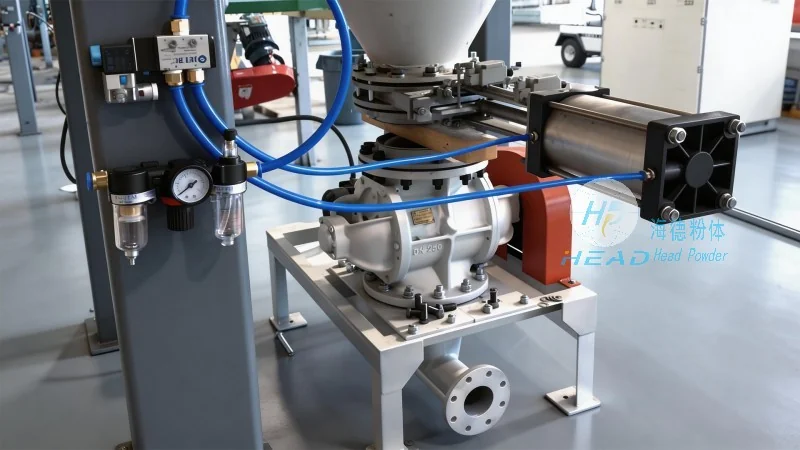
Introduction to Lithium-Ion Battery Handling
Lithium-ion batteries are widely used in various industries, including electric vehicles, renewable energy storage, and consumer electronics. Their handling requires careful consideration due to their size, weight, and potential hazards. Proper transportation methods ensure that batteries are moved without damage, reducing waste and maintenance costs. The following sections will explore several common handling approaches and evaluate their pros and cons.
1. Manual Handling Methods
Manual handling of lithium-ion batteries involves human operators moving batteries using tools like pallet jacks, hand trucks, or manual conveyors. This method is often used in small-scale operations or for batteries that are lightweight and easy to manage. The primary advantage of manual handling is its simplicity and low initial investment. However, it has significant drawbacks, including high labor costs, increased risk of human error, and limited scalability. Manual methods are not suitable for high-volume production lines or large batteries, as they can lead to fatigue and accidents. Additionally, manual handling may not meet strict safety regulations in many industrial settings.

2. Mechanical Handling with Pallet Jacks and Hand Trucks
For medium-sized operations, mechanical aids such as pallet jacks and hand trucks are commonly used. These tools reduce the physical strain on workers by providing a mechanical advantage, allowing them to move heavier batteries more easily. The main advantage of this method is improved efficiency compared to pure manual handling, with reduced labor costs and increased speed. However, it still relies on human operators, which introduces risks of operator fatigue and potential mishandling. Mechanical handling also has limitations in terms of load capacity and maneuverability, especially in tight spaces or uneven terrain. Furthermore, the equipment requires regular maintenance to ensure optimal performance, adding to operational costs.
3. Automated Conveyor Systems
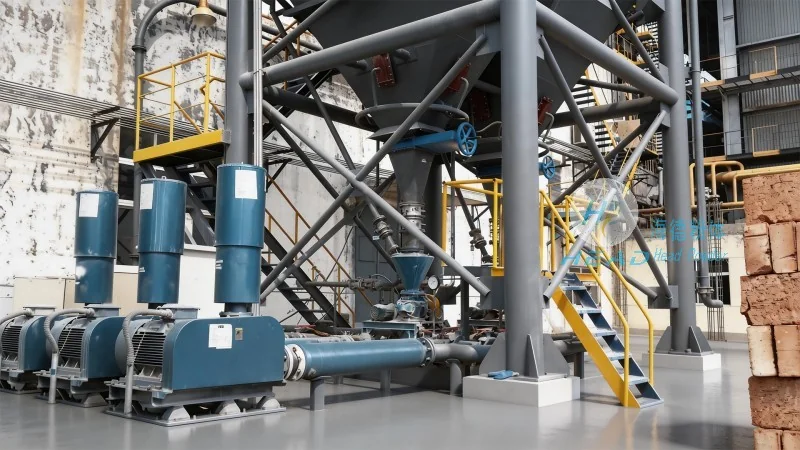
Automated conveyor systems offer a more advanced solution for lithium-ion battery handling, particularly in high-volume manufacturing environments. These systems use belts, rollers, or chains to transport batteries along a predefined path, reducing the need for manual intervention. The primary advantage of conveyor systems is increased throughput and consistency, as they can operate continuously without breaks. This leads to higher productivity and reduced labor costs over time. However, the initial investment for automated conveyors is substantial, making them less feasible for small or budget-constrained operations. Additionally, conveyor systems require regular maintenance and calibration to avoid downtime, and they may not be flexible enough to handle variations in battery size or weight. Another consideration is the space required for installation, as these systems often need dedicated areas for operation.
4. Robotic Handling and Automated Guided Vehicles (AGVs)
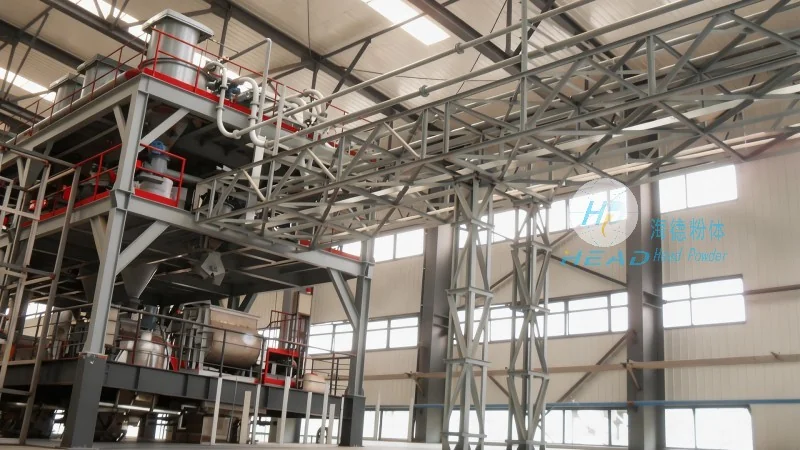
Robotic handling and Automated Guided Vehicles (AGVs) represent the most advanced level of lithium-ion battery transportation. Robotic arms can pick up and place batteries with precision, while AGVs can transport them between different workstations or storage areas. The main advantage of this method is enhanced safety, as it minimizes human exposure to potential hazards. Additionally, robotic systems offer high accuracy and consistency, reducing the risk of damage or misplacement. However, the cost of implementation is very high, making it suitable only for large-scale operations with high production volumes. Robotic systems also require specialized training for maintenance and operation, and they may face challenges in adapting to new battery models or changes in production processes. Furthermore, the complexity of these systems increases the risk of technical failures, which can lead to significant downtime if not properly managed.
5. Comparison Summary
When evaluating lithium-ion battery handling methods, it is essential to consider factors such as operational scale, budget, safety requirements, and desired throughput. Manual handling is suitable for small-scale operations with low volume, while mechanical aids like pallet jacks are better for medium-sized businesses. Automated conveyor systems are ideal for high-volume production lines, offering efficiency and consistency. Robotic handling and AGVs are the top choice for large-scale operations that prioritize safety and precision but come with the highest costs. Each method has its strengths and weaknesses, and the optimal choice depends on the specific needs of the business.
Conclusion and Recommendations
Choosing the right lithium-ion battery handling method is a critical decision that impacts operational efficiency and safety. For businesses in the early stages of production, manual or mechanical handling may be sufficient. However, as production scales up, investing in automated systems like conveyors or robotic solutions can provide long-term benefits. It is important to assess the cost-benefit ratio and consider future growth when selecting a handling method. By understanding the advantages and disadvantages of each approach, companies can make informed decisions that align with their operational goals. Shandong HeadPowder Engineering Co., Ltd. specializes in providing customized battery handling solutions tailored to the specific needs of industrial clients, ensuring optimal performance and safety in lithium-ion battery transportation.

 Shandong Headpowder Engineering Co., Ltd.
 156-6277-7102(Quản lý Trương)
  0531-83386006
  Thành phố Tế Nam, Tỉnh Sơn Đông, Trung Quốc
Điện thoại
WeChatTư vấn
Lên đầu