Chuyên sâu trong lĩnh vực vật liệu rời công nghiệp, cung cấp giải pháp môi trường thông minh tích hợp cho phối trộn tự động, cấp liệu tập trung, khử lưu huỳnh và khử nitơ khô!
When it comes to transporting bauxite, selecting the right conveying method is crucial for efficiency, cost-effectiveness, and operational safety. Bauxite, a key raw material in the production of aluminum, requires reliable and efficient transportation from mining sites to processing facilities. This article provides a detailed comparison of common bauxite conveying methods, examining their advantages and disadvantages to help industrial operators make informed decisions.
Overview of Bauxite and Conveying Needs

Bauxite is a sedimentary rock primarily composed of aluminum oxide minerals, such as gibbsite, boehmite, and diaspore. It is typically mined from open-pit mines and then transported to processing plants where it is refined into alumina. The transportation of bauxite involves moving large volumes of material over varying distances, often under challenging environmental conditions. Effective conveying systems must handle the material's bulk density, moisture content, and potential abrasive properties while minimizing energy consumption and maintenance costs.
1. Belt Conveyor System: The Workhorse of Bulk Material Handling

Belt conveyors are one of the most widely used methods for bauxite transportation due to their high capacity, durability, and ability to cover long distances. These systems consist of a continuous loop of belt that moves material from the loading point to the discharge point, powered by rollers and drive pulleys. The primary advantage of belt conveyors is their ability to transport large volumes of bauxite at high speeds with minimal labor. They are also relatively low in maintenance compared to other systems, as they have fewer moving parts and are less prone to mechanical failure. However, belt conveyors have limitations when dealing with highly abrasive or sticky bauxite, as the belt and pulleys can wear out quickly. Additionally, they require significant space for installation and may not be suitable for vertical or steep incline applications without specialized designs.
2. Pneumatic Conveying System: The Flexible and Dust-Free Option
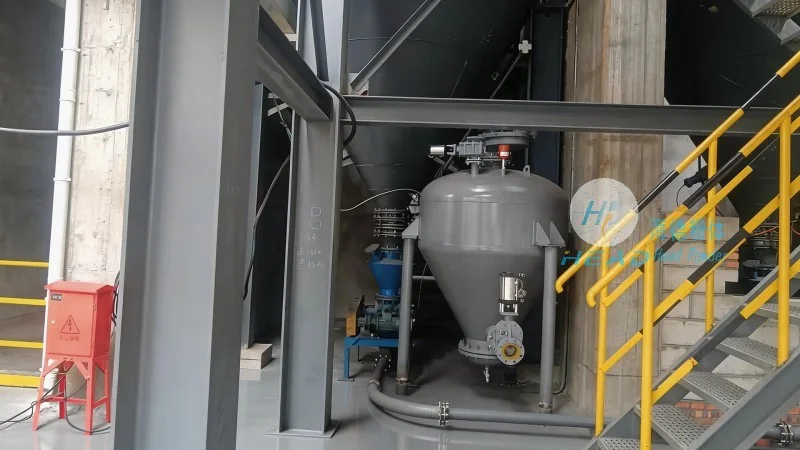
Pneumatic conveying systems use air or other gases to transport bauxite particles through a pipeline. This method is particularly useful for handling fine or powdery bauxite, as it can move material without the need for mechanical contact. The main advantage of pneumatic conveying is its ability to transport material over long distances and through multiple points without the need for intermediate storage. It also provides a dust-free environment, which is beneficial for maintaining air quality and reducing health hazards. However, pneumatic systems have higher energy consumption compared to belt conveyors, as they require powerful air compressors to generate the necessary pressure. They are also less efficient for transporting large, heavy bauxite lumps, as the system may struggle to maintain consistent flow. Furthermore, the cost of installation and maintenance for pneumatic systems is generally higher due to the complexity of the pipeline and air control equipment.
3. Screw Conveyor (Auger Conveyor): The Compact and Versatile Solution
Screw conveyors use a rotating helical screw to move bauxite along a trough. This method is ideal for short to medium-distance transportation and is particularly suitable for handling bulk materials in confined spaces. The primary advantage of screw conveyors is their compact design, which allows for installation in tight areas where other systems may not fit. They are also relatively simple to operate and maintain, with fewer moving parts compared to belt or pneumatic systems. Screw conveyors are effective for handling dry or slightly moist bauxite, as the screw can push material forward without the need for additional equipment. However, their capacity is lower than that of belt conveyors, making them less suitable for large-scale bauxite transportation. They are also prone to clogging if the bauxite contains large lumps or is overly sticky, which can lead to operational disruptions. Additionally, the screw and trough may wear out faster with abrasive bauxite, requiring more frequent maintenance.

4. Hydraulic Conveying System: The High-Pressure and High-Capacity Option
Hydraulic conveying systems use high-pressure water or slurry to transport bauxite through pipelines. This method is particularly effective for moving bauxite in slurry form, such as after washing or grinding. The main advantage of hydraulic systems is their high capacity and ability to transport material over long distances with minimal energy loss. They are also suitable for handling abrasive and sticky bauxite, as the water or slurry acts as a lubricant and reduces wear on the pipeline. However, hydraulic systems have significant drawbacks, including high water consumption and the need for extensive water treatment facilities to manage the slurry. They also require specialized equipment for slurry preparation and disposal, which adds to the operational complexity and cost. Additionally, the pipelines and pumps used in hydraulic systems are prone to corrosion and wear, leading to higher maintenance expenses over time.
5. Comparison and Selection Criteria
When choosing a bauxite conveying method, several factors must be considered, including the material's characteristics, transportation distance, budget constraints, and operational environment. Belt conveyors are generally the most cost-effective for long-distance, bulk bauxite transport, while pneumatic systems are preferred for fine or dust-free applications. Screw conveyors are ideal for short-distance, confined-space operations, and hydraulic systems are suitable for high-capacity slurry transport. The choice of system should also consider the bauxite's moisture content, particle size, and abrasiveness, as these factors can significantly impact the system's performance and lifespan.
Conclusion: Choosing the Right Conveying Method for Bauxite
Efficient bauxite transportation is essential for the smooth operation of aluminum production facilities. By understanding the advantages and disadvantages of different conveying methods, industrial operators can select the most suitable system for their specific needs. The belt conveyor remains a reliable and cost-effective choice for many applications, while pneumatic and screw conveyors offer flexibility and compactness. Hydraulic systems, though high-capacity, come with higher operational costs and complexity. Ultimately, the best conveying method depends on a combination of technical, economic, and environmental factors, and careful evaluation is necessary to ensure optimal performance and long-term sustainability.

 Shandong Headpowder Engineering Co., Ltd.
 156-6277-7102(Quản lý Trương)
  0531-83386006
  Thành phố Tế Nam, Tỉnh Sơn Đông, Trung Quốc
Điện thoại
WeChatTư vấn
Lên đầu