Chuyên sâu trong lĩnh vực vật liệu rời công nghiệp, cung cấp giải pháp môi trường thông minh tích hợp cho phối trộn tự động, cấp liệu tập trung, khử lưu huỳnh và khử nitơ khô!
When it comes to transporting dry cobblestones in construction and landscaping projects, selecting the right conveying method is crucial for efficiency, cost-effectiveness, and operational safety. Various technologies are available, each with distinct advantages and limitations. This article provides a detailed comparison of common dry cobblestone conveying methods, focusing on their pros and cons to help you make an informed decision.
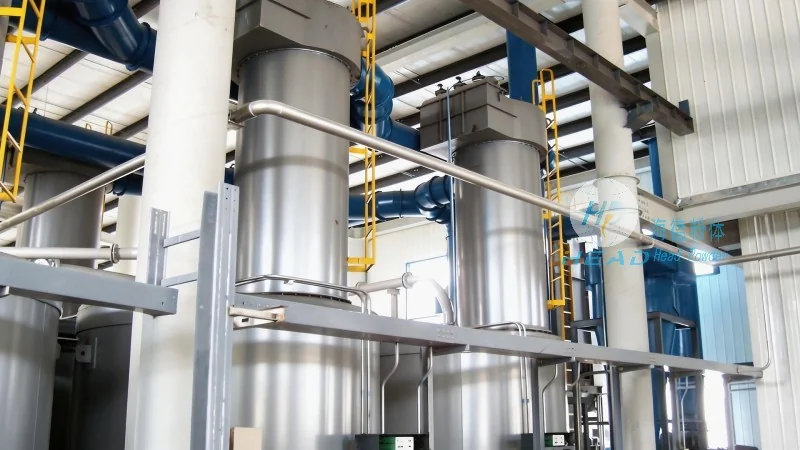
Overview of Key Conveying Methods
Dry cobblestone conveying systems are designed to move loose, irregularly shaped stones without the need for water. The primary methods include belt conveyors, bucket elevators, and pneumatic (air) conveyors. Each method operates on different principles and is suited to specific applications.
Belt Conveyors: The Workhorse of Bulk Material Handling
Belt conveyors are widely used for dry cobblestone transport due to their simplicity and reliability. These systems consist of a continuous belt looped over pulleys, with the material placed on the belt and carried to the destination. The main advantages of belt conveyors include high capacity, low maintenance costs, and the ability to handle long distances and steep inclines. They are particularly effective for large-scale construction sites where large volumes of cobblestones need to be moved efficiently.

However, belt conveyors have limitations. They are not suitable for vertical lifting and require regular maintenance to prevent belt wear and slippage. Additionally, they may not handle very small or irregularly shaped stones without additional screening or sorting equipment. The initial investment for a belt conveyor system can be high, and the space required for installation may be a constraint in some projects.
Bucket Elevators: Efficient Vertical Transport Solutions
Bucket elevators are specialized for vertical or steep incline transport of dry cobblestones. They consist of a vertical or inclined trough with a continuous chain or belt carrying buckets that scoop and lift the material. This method is highly efficient for vertical lifting, often reaching heights of 20 meters or more with minimal power consumption.
The key advantages of bucket elevators include their ability to handle vertical transport without the need for complex infrastructure, making them suitable for projects where space is limited or where the material must be lifted to an upper level. They are also relatively compact and can be installed in confined areas. However, bucket elevators have lower capacity compared to belt conveyors and may experience wear on the buckets and chains over time. The maintenance requirements are higher for vertical components, and they are not suitable for horizontal transport.
Pneumatic Conveyors: Flexible and Durable for Specialized Needs

Pneumatic conveyors use air pressure to transport dry cobblestones through a pipeline system. The material is carried by air currents, which can be either positive (air pushing the material) or negative (air pulling the material). This method is highly flexible, as it can be used for both horizontal and vertical transport, and it can handle long distances with minimal equipment.
The advantages of pneumatic conveyors include their ability to transport materials through existing pipelines, reducing the need for additional infrastructure. They are also suitable for transporting materials in dusty or hazardous environments, as the system is enclosed. However, pneumatic conveyors have higher energy consumption compared to other methods and may not be suitable for very large or heavy cobblestones. The initial cost of a pneumatic system can be high, and the system requires regular cleaning to prevent clogging.
Comparative Analysis: Choosing the Right Method
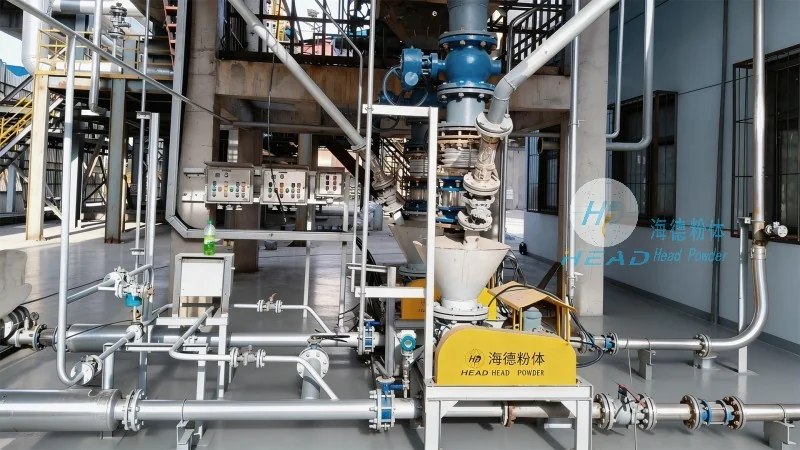
When selecting a dry cobblestone conveying method, several factors should be considered, including the distance and elevation changes, the volume of material to be transported, the available space, and the budget. Belt conveyors are generally the best choice for large-scale horizontal transport, while bucket elevators are ideal for vertical lifting. Pneumatic conveyors offer flexibility for specialized applications where space or environmental constraints are a concern.
It is also important to consider the maintenance requirements and operational costs over the long term. Belt conveyors have lower maintenance costs but higher initial investment, while bucket elevators and pneumatic conveyors may have higher maintenance but lower initial costs for some applications.
Conclusion
Choosing the right dry cobblestone conveying method depends on the specific project requirements and operational constraints. By understanding the advantages and disadvantages of each method, you can select the most efficient and cost-effective solution for your needs. Whether you opt for a belt conveyor, bucket elevator, or pneumatic system, proper planning and maintenance will ensure optimal performance and longevity of your conveying system.

 Shandong Headpowder Engineering Co., Ltd.
 156-6277-7102(Quản lý Trương)
  0531-83386006
  Thành phố Tế Nam, Tỉnh Sơn Đông, Trung Quốc
Điện thoại
WeChatTư vấn
Lên đầu