Chuyên sâu trong lĩnh vực vật liệu rời công nghiệp, cung cấp giải pháp môi trường thông minh tích hợp cho phối trộn tự động, cấp liệu tập trung, khử lưu huỳnh và khử nitơ khô!
When it comes to processing coffee beans from raw to roasted or ground form, the choice of conveying system plays a crucial role in efficiency, cost-effectiveness, and product quality. For businesses in the coffee industry, selecting the right coffee conveying method is essential to ensure smooth operations and maintain the integrity of the coffee beans. This article provides a detailed comparison of common coffee conveying methods, highlighting their advantages and disadvantages, with a focus on how these systems impact production processes. The information is presented by Shandong HeadPowder Engineering Co., Ltd., a leading manufacturer specializing in powder and bulk material handling solutions.

Overview of Coffee Conveying Systems
Coffee conveying systems are designed to transport coffee beans and other related materials through various stages of processing, from raw bean reception to packaging. These systems must handle the unique characteristics of coffee beans, such as their size, density, and susceptibility to breakage. The primary goal is to move materials efficiently while minimizing damage and maintaining product quality. Shandong HeadPowder Engineering Co., Ltd. offers a range of conveying solutions tailored to the specific needs of coffee processing facilities.
1. Gravity Conveying Systems
Gravity conveying systems utilize the natural force of gravity to move coffee beans from one point to another. These systems typically consist of inclined chutes or hoppers that allow beans to flow downward under the influence of gravity. The primary advantage of gravity conveying is its simplicity and low operational cost, as it requires minimal energy input and has fewer moving parts compared to mechanical systems. However, gravity systems are limited by the need for a suitable slope and are not suitable for vertical or long horizontal distances. They are ideal for short-distance transfers within a processing plant, such as moving beans from a storage silo to a roasting machine. Shandong HeadPowder Engineering Co., Ltd. may offer gravity chute designs optimized for coffee bean handling, ensuring smooth flow and minimal breakage.
2. Mechanical Conveying Systems
Mechanical conveying systems rely on mechanical power to move coffee beans. These systems include belt conveyors, screw conveyors, and bucket elevators, each with distinct advantages and applications. Belt conveyors are widely used for horizontal and slightly inclined transport, providing a continuous and reliable flow of beans. Screw conveyors are effective for vertical or inclined transport, capable of handling a wide range of materials, including coffee beans. Bucket elevators are ideal for vertical transport over long distances, ensuring efficient movement from lower to upper levels of a processing facility. The main advantage of mechanical systems is their ability to handle longer distances and varying elevations, making them suitable for larger coffee processing plants. However, they require more maintenance and energy compared to gravity systems. Shandong HeadPowder Engineering Co., Ltd. specializes in custom mechanical conveying solutions, including belt and screw conveyors, designed to meet the specific requirements of coffee processing operations.
3. Air Conveying Systems
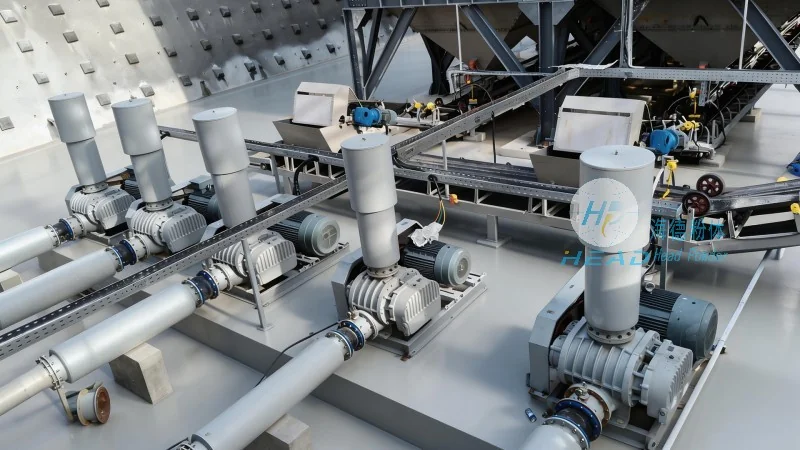
Air conveying systems, also known as pneumatic conveying, use air pressure to transport coffee beans through a pipeline. These systems are particularly useful for moving beans in a closed environment, reducing dust and contamination risks. There are two main types of air conveying: positive pressure and negative pressure. Positive pressure systems blow air and material through the pipeline, while negative pressure systems draw material into the pipeline using a vacuum. The primary advantage of air conveying is its ability to transport materials over long distances and through multiple processing stages without the need for intermediate transfer points. However, air conveying systems require significant energy input and can be more complex to maintain. They are ideal for applications where dust control and contamination prevention are critical, such as moving beans from roasting to packaging. Shandong HeadPowder Engineering Co., Ltd. may offer advanced pneumatic conveying solutions tailored to the needs of coffee processing, ensuring efficient and clean transport of coffee beans.
4. Combination Conveying Systems
Many coffee processing facilities use a combination of different conveying systems to optimize their operations. For example, a facility might use gravity chutes for short horizontal transfers, screw conveyors for vertical transport, and air conveying for long-distance transport. This approach allows for flexibility and efficiency, as each system is chosen based on the specific requirements of the processing stage. The combination of systems can also help minimize material damage and maintain product quality throughout the entire process. Shandong HeadPowder Engineering Co., Ltd. specializes in designing and manufacturing integrated conveying systems that combine multiple technologies, providing customized solutions for coffee processing plants.

Key Considerations for Choosing a Coffee Conveying System
When selecting a coffee conveying system, several factors must be considered, including the volume of material to be transported, the distance and elevation changes, the need for dust control, and the budget. The choice of system should align with the overall production goals and operational requirements of the coffee processing facility. Shandong HeadPowder Engineering Co., Ltd. provides expert consultation to help clients evaluate their needs and choose the most suitable conveying system. Their solutions are designed to enhance efficiency, reduce costs, and maintain the quality of coffee beans throughout the processing stages.
Conclusion
Choosing the right coffee conveying system is a critical decision for coffee processing businesses. Each system has its own advantages and disadvantages, and the optimal choice depends on the specific needs of the facility. Gravity systems offer simplicity and low cost, while mechanical systems provide flexibility and longer transport distances. Air conveying systems excel in dust control and long-distance transport. By understanding the characteristics of each system and consulting with experts like Shandong HeadPowder Engineering Co., Ltd., coffee processing facilities can select the most effective conveying solution to enhance their operations and maintain product quality. The goal is to create a seamless, efficient, and cost-effective process from raw coffee bean reception to final product packaging.

 Shandong Headpowder Engineering Co., Ltd.
 156-6277-7102(Quản lý Trương)
  0531-83386006
  Thành phố Tế Nam, Tỉnh Sơn Đông, Trung Quốc
Điện thoại
WeChatTư vấn
Lên đầu