Chuyên sâu trong lĩnh vực vật liệu rời công nghiệp, cung cấp giải pháp môi trường thông minh tích hợp cho phối trộn tự động, cấp liệu tập trung, khử lưu huỳnh và khử nitơ khô!
Efficient and reliable millet conveying is a critical aspect of modern agricultural processing, ensuring smooth operations from harvest to storage and further processing. Various methods are employed to handle millet, each with distinct characteristics that influence their suitability for different applications. This article provides a detailed comparison of common millet conveying methods, examining their advantages and disadvantages to help industry professionals make informed decisions.

1. Screw Conveyors (Auger Conveyors)
Screw conveyors, also known as auger conveyors, are among the most widely used millet conveying systems. These devices consist of a rotating helical screw inside a cylindrical tube, which moves material along the length of the conveyor. The primary advantage of screw conveyors is their simplicity and low maintenance requirements. They are highly effective for handling dry, free-flowing millet and can operate in a vertical or horizontal configuration, making them versatile for various layouts. Additionally, screw conveyors can be easily integrated into existing processing lines, reducing installation costs. However, their limitations include the potential for material degradation due to friction and the risk of clogging if the millet contains high moisture content or foreign objects. The design also restricts the speed and capacity, which may not meet the demands of high-volume processing operations.
2. Bucket Elevators (Grain Elevators)
Bucket elevators, or grain elevators, are another common method for transporting millet vertically. These systems use a series of buckets attached to a belt or chain that moves material upward. The key advantage of bucket elevators is their high vertical lifting capacity, allowing for efficient movement of millet from ground level to elevated storage or processing areas. They are particularly effective for handling bulk quantities and can operate continuously without interruption. Furthermore, bucket elevators can handle a wide range of millet types, including those with higher moisture content or mixed with other grains. However, their drawbacks include higher initial investment costs compared to other methods and the need for regular maintenance to ensure smooth operation. The mechanical complexity also increases the risk of downtime if components wear out or break. Additionally, bucket elevators may not be suitable for very fine or delicate millet varieties, as the buckets can cause abrasion or damage.
3. Pneumatic Conveying Systems
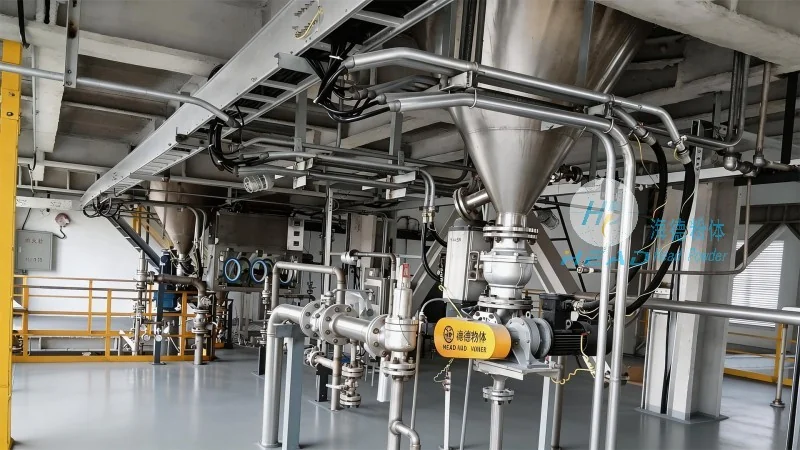
Pneumatic conveying systems use air pressure to transport millet through a network of pipes. These systems can be categorized into pressure or vacuum types, depending on the method of material movement. The primary advantage of pneumatic conveying is its ability to handle millet in a closed system, which minimizes dust and contamination. This is particularly beneficial for maintaining product quality and hygiene standards. Additionally, pneumatic systems can transport millet over long distances and through multiple processing stages without the need for intermediate storage. They are also flexible in terms of layout, as the pipes can be installed in various configurations to suit the facility's design. However, pneumatic conveying has significant disadvantages, including higher energy consumption compared to mechanical systems. The cost of compressed air and the need for efficient filtration systems add to the operational expenses. Furthermore, the system may be less effective for very fine or lightweight millet, as the air flow can cause material separation or loss. The design also requires careful consideration of air pressure and flow rates to prevent material degradation or blockages.

4. Belt Conveyors
Belt conveyors are widely used for horizontal or slight incline millet transport. These systems consist of a continuous belt that moves material along a frame. The primary advantage of belt conveyors is their high capacity and ability to handle large volumes of millet efficiently. They are particularly suitable for long-distance horizontal transport and can be easily adapted to different production rates. Belt conveyors also offer low maintenance costs and can operate continuously without frequent stops. However, their limitations include the risk of material spillage or contamination if the belt is not properly sealed. The system may also be less effective for very fine or sticky millet, as the belt can cause material buildup or slippage. Additionally, belt conveyors require regular cleaning and maintenance to prevent wear and tear, which can increase operational costs over time.
5. Chain and Flight Conveyors
Chain and flight conveyors are similar to belt conveyors but use a chain with attached flights to move millet. These systems are often used for heavy or bulk millet handling. The primary advantage of chain and flight conveyors is their ability to handle high loads and abrasive materials without damage. They are particularly effective for transporting millet with high moisture content or mixed with other components. The system also offers high durability and can operate in harsh environments. However, their drawbacks include higher maintenance requirements due to the moving parts. The chain and flights can wear out quickly, especially if the millet contains hard particles or foreign objects. Additionally, the system may not be suitable for very fine millet, as the flights can cause abrasion or damage. The initial investment cost is also higher compared to simpler conveyor types.
6. Comparison and Selection Criteria
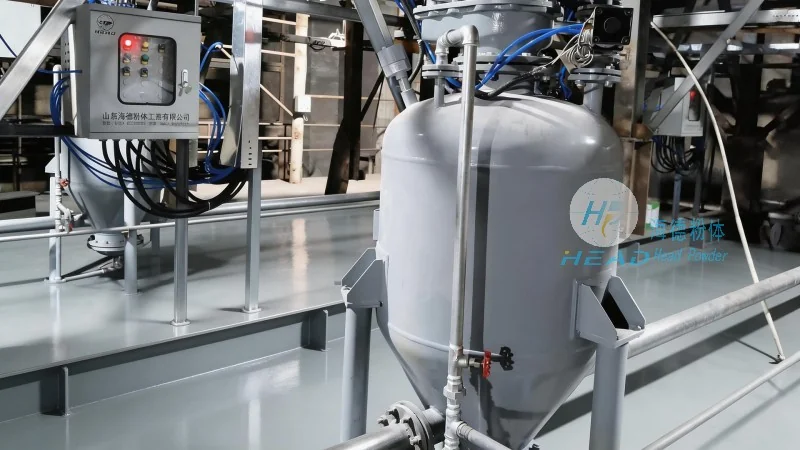
When selecting a millet conveying method, several factors must be considered to ensure optimal performance and cost-effectiveness. The primary criteria include the volume of millet to be transported, the distance and elevation changes required, the type of millet (e.g., dry, moist, mixed with other grains), and the available budget. For small-scale operations with low volume and short distances, screw conveyors or belt conveyors may be sufficient. However, for large-scale processing with high vertical lifting needs, bucket elevators are often the best choice. Pneumatic systems are ideal for applications requiring dust control and long-distance transport. The choice also depends on the facility's layout and the need for flexibility. It is essential to evaluate the initial investment cost against long-term operational expenses, including maintenance and energy consumption. Additionally, the impact on product quality and hygiene should be considered, especially for millet intended for human consumption. Consulting with experts, such as those from Shandong HeadPowder Engineering Co., Ltd., can provide valuable insights into selecting the most suitable conveying method based on specific operational requirements.
7. Conclusion
Each millet conveying method has its own set of advantages and disadvantages, making the selection process critical for efficient agricultural processing. Screw conveyors offer simplicity and versatility, while bucket elevators excel in vertical lifting. Pneumatic systems provide dust control and flexibility, and belt or chain conveyors handle high volumes horizontally. The choice ultimately depends on the specific needs of the operation, including volume, distance, and product characteristics. By carefully evaluating these factors and considering long-term operational costs, industry professionals can select the most appropriate conveying system. Shandong HeadPowder Engineering Co., Ltd. specializes in designing and manufacturing customized millet conveying solutions tailored to the unique requirements of agricultural processing facilities, ensuring optimal performance and reliability.

 Shandong Headpowder Engineering Co., Ltd.
 156-6277-7102(Quản lý Trương)
  0531-83386006
  Thành phố Tế Nam, Tỉnh Sơn Đông, Trung Quốc
Điện thoại
WeChatTư vấn
Lên đầu