

[CMPARISON OF COMMON GELATIN CONVEYING METHODS: ADVANTAGES AND DISADVANTAGES]
For industries that rely on gelatin as a key ingredient, selecting the right conveying method is crucial for maintaining product quality, efficiency, and operational safety. This article provides an in-depth comparison of common gelatin conveying methods, highlighting their advantages and disadvantages to help businesses make informed decisions.

Introduction to Gelatin Conveying Methods
Gelatin, a protein derived from collagen, is widely used in food, pharmaceutical, and cosmetic industries. Its handling requires careful consideration due to its hygroscopic nature and the need to prevent contamination or degradation. Conveying systems must be designed to preserve gelatin's properties while ensuring smooth and efficient material movement. The choice of conveying method depends on factors such as the gelatin's form (powder, granules, or liquid), production scale, and the specific requirements of the end application.
1. Screw Conveyors for Gelatin
Screw conveyors, also known as auger conveyors, are a popular choice for transporting gelatin powders and granules. These systems consist of a rotating helical screw inside a trough, which moves material along the length of the conveyor. The advantages of screw conveyors include their simplicity, low maintenance, and ability to handle a wide range of gelatin types without the need for additional equipment. They are particularly effective for vertical or inclined transport, as the screw's design allows for consistent material flow. However, screw conveyors may struggle with sticky or cohesive gelatin, as this can cause blockages or reduced efficiency. Additionally, they are less suitable for transporting gelatin in bulk quantities over long distances due to potential wear and tear on the screw and trough.
2. Pneumatic Conveying Systems
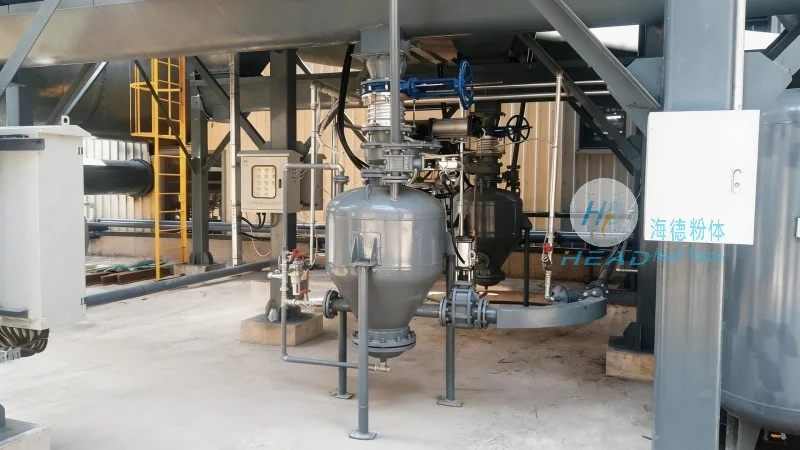
Pneumatic conveying systems use air or other gases to transport gelatin through a pipeline. This method is ideal for handling fine gelatin powders and can be designed as either pressure or vacuum systems. The primary advantage of pneumatic conveying is its ability to transport gelatin in a closed system, minimizing dust exposure and contamination. It also allows for high-speed transport over long distances with minimal product degradation. However, pneumatic systems require significant energy input to maintain air pressure, leading to higher operational costs. Furthermore, they may not be suitable for gelatin with high moisture content or that is prone to caking, as this can cause blockages in the pipeline. The system's design also needs careful consideration to prevent air leaks and ensure consistent material flow.
3. Belt Conveyors for Bulk Gelatin
Belt conveyors are commonly used for transporting bulk gelatin, especially in large-scale production facilities. These systems consist of a continuous belt that moves over rollers or pulleys, carrying gelatin from one point to another. The advantages of belt conveyors include their high capacity, ability to handle large volumes of material, and suitability for horizontal or slightly inclined transport. They are also relatively easy to install and maintain, making them a cost-effective solution for many businesses. However, belt conveyors may not be ideal for fine gelatin powders, as they can cause dust generation and require additional dust control measures. Moreover, they are less efficient for vertical transport and may experience issues with gelatin that is sticky or prone to sticking to the belt surface.

4. Bucket Elevators for Vertical Gelatin Transport
Bucket elevators are specifically designed for vertical transport of gelatin, particularly in applications where the material needs to be lifted to a higher level. These systems consist of a series of buckets attached to a chain or belt, which moves vertically to transport gelatin from a lower to an upper position. The primary advantage of bucket elevators is their ability to handle vertical transport efficiently, with minimal material spillage or degradation. They are also suitable for transporting gelatin in bulk quantities and can be integrated with other processing equipment. However, bucket elevators require more complex maintenance compared to other systems, as the buckets and chains are subject to wear and tear. Additionally, they may not be suitable for gelatin that is highly cohesive or sticky, as this can cause blockages in the buckets.
5. Comparison and Selection Criteria
When selecting a gelatin conveying method, businesses should consider several factors to ensure the best fit for their operations. The first consideration is the form of gelatin being transported—powder, granules, or liquid. For powders, screw and pneumatic conveyors are often preferred, while belt conveyors are better for bulk granules. The scale of production is another critical factor; large-scale operations may benefit from belt conveyors or bucket elevators, whereas smaller operations might opt for screw or pneumatic systems. Operational costs, including energy consumption and maintenance requirements, should also be evaluated. Finally, the need for dust control and contamination prevention can influence the choice, with pneumatic systems offering better containment compared to open screw or belt conveyors.
Conclusion
Choosing the right gelatin conveying method is essential for optimizing production efficiency and maintaining product quality. Each method has its strengths and weaknesses, and the best choice depends on the specific requirements of the business. By carefully evaluating factors such as material form, production scale, and operational costs, companies can select a conveying system that maximizes performance while minimizing risks. As a leading provider of engineering solutions, Shandong HeadPowder Engineering Co., Ltd. specializes in designing and manufacturing customized conveying systems tailored to the unique needs of gelatin handling applications. With years of experience in the industry, HeadPowder offers expert guidance and high-quality equipment to help businesses achieve their operational goals.