Chuyên sâu trong lĩnh vực vật liệu rời công nghiệp, cung cấp giải pháp môi trường thông minh tích hợp cho phối trộn tự động, cấp liệu tập trung, khử lưu huỳnh và khử nitơ khô!
When it comes to handling calcium oxide powder, selecting the right conveying method is crucial for ensuring efficiency, safety, and product integrity. As a leading manufacturer in the field, Shandong HeadPowder Engineering Co., Ltd., based in Shandong, China, understands the importance of choosing the most suitable technology for various industrial applications. This article provides a detailed comparison of common calcium oxide powder conveying methods, highlighting their advantages, limitations, and ideal use cases.
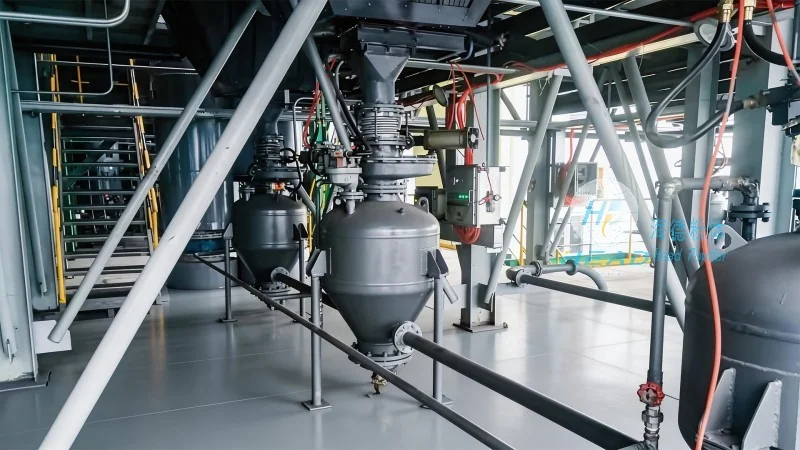
Calcium oxide, also known as quicklime, is a highly reactive white powder widely used in industries such as construction, steel production, and chemical manufacturing. Its handling requires specialized equipment due to its hygroscopic nature and potential for dust generation. The choice of conveying method directly impacts operational costs, maintenance requirements, and overall process reliability. Below, we explore several popular options and evaluate them based on key performance indicators.
1. Pneumatic Conveying Systems
Pneumatic conveying, or air-based transport, is one of the most common methods for calcium oxide powder handling. This technology uses compressed air to move the material through a network of pipes. There are two main types: pressure and vacuum systems. Pressure systems are ideal for long-distance transport and high-volume applications, as they can handle larger quantities with less energy consumption compared to vacuum systems. However, they require robust air compressors and may experience pressure drops over long distances, which can affect flow rates.
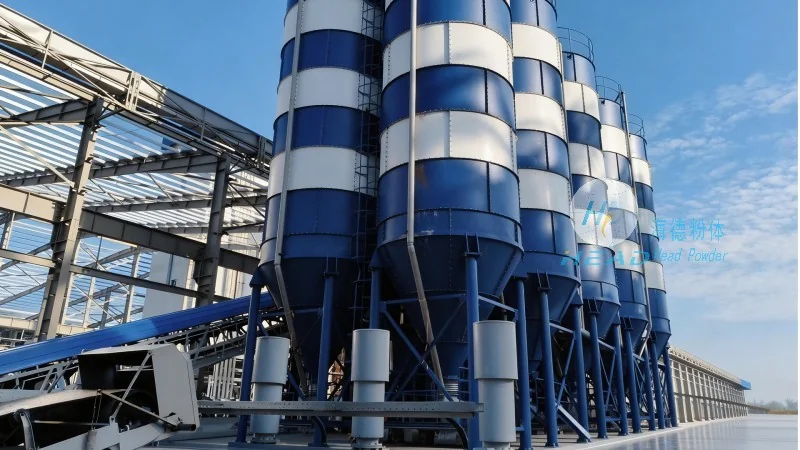
For calcium oxide, which can agglomerate, pressure pneumatic systems are often preferred. The high air pressure helps break up clumps and maintain consistent flow. Shandong HeadPowder Engineering Co., Ltd. specializes in designing customized pressure pneumatic systems that can handle the unique properties of calcium oxide, ensuring reliable transport from storage silos to processing units. These systems are equipped with filters and cyclones to capture dust, protecting both the environment and downstream equipment.
2. Screw Conveyors
Screw conveyors, or auger conveyors, are another widely used method for transporting calcium oxide powder. These systems consist of a rotating screw inside a trough, which moves the material forward through the tube. Screw conveyors are particularly effective for horizontal or slight incline transport and are known for their simplicity and low maintenance. They are well-suited for moderate volumes and can handle a variety of powder types, including calcium oxide.
One of the key advantages of screw conveyors is their ability to operate in a closed system, which helps contain dust and prevent contamination. However, they have limitations when it comes to long-distance transport or steep inclines, as the material may experience blockages or increased wear on the screw and trough. For calcium oxide, which can be abrasive, the choice of material for the screw and trough is critical. Stainless steel or high-grade alloy components are often used to minimize wear and ensure longevity. Shandong HeadPowder Engineering Co., Ltd. offers screw conveyors with custom-designed screws and troughs to accommodate the specific characteristics of calcium oxide, ensuring smooth and efficient operation.
3. Belt Conveyors
Belt conveyors are a versatile option for calcium oxide powder transport, especially in applications requiring long-distance or high-capacity movement. These systems use a continuous belt to carry the material from one point to another. Belt conveyors are particularly effective for horizontal transport and can handle large quantities of material with minimal energy input. They are also suitable for transporting calcium oxide in bulk, from storage bins to processing facilities.

However, belt conveyors have some drawbacks when handling fine powders like calcium oxide. The material can accumulate on the belt surface, leading to uneven loading and potential blockages. To mitigate this, Shandong HeadPowder Engineering Co., Ltd. incorporates special belt designs with anti-static properties and cleaning mechanisms to prevent material buildup. Additionally, the belt and idlers must be regularly inspected and maintained to ensure smooth operation and prevent dust emissions. Belt conveyors are often combined with dust control systems to comply with environmental regulations.
4. Hydraulic Conveying
Hydraulic conveying, or slurry transport, involves mixing calcium oxide powder with water to create a slurry, which is then pumped through pipelines. This method is particularly useful for long-distance transport over challenging terrains, as it can handle steep inclines and obstacles. However, it has significant drawbacks, including the need for additional equipment to separate water from the material and the risk of material degradation due to prolonged exposure to moisture.
For calcium oxide, which is highly reactive with water, hydraulic conveying is generally not recommended unless absolutely necessary. The moisture can cause the powder to clump and lose its reactivity, reducing its effectiveness in downstream processes. Shandong HeadPowder Engineering Co., Ltd. advises against hydraulic conveying for calcium oxide and instead recommends alternative methods that preserve the material's integrity.

5. Comparison and Recommendations
When selecting a calcium oxide powder conveying method, several factors must be considered, including the distance of transport, volume requirements, material properties, and environmental regulations. Pneumatic conveying is often the best choice for long-distance or high-volume applications due to its efficiency and ability to handle abrasive materials. Screw conveyors are ideal for moderate volumes and horizontal transport, while belt conveyors are suitable for bulk handling over longer distances. Hydraulic conveying should be avoided unless absolutely necessary.
Shandong HeadPowder Engineering Co., Ltd. recommends customizing the conveying system based on the specific needs of the application. For example, in construction applications where calcium oxide is used as a flux in steel production, a pneumatic system with dust control measures is preferred. In chemical manufacturing, where the material is used in reaction processes, a screw conveyor with stainless steel components may be more appropriate to prevent contamination.
Ultimately, the goal is to select a conveying method that maximizes efficiency, minimizes downtime, and ensures the quality of the calcium oxide powder remains intact. By understanding the advantages and limitations of each option, industrial facilities can make informed decisions that enhance their operational performance and comply with safety and environmental standards.

 Shandong Headpowder Engineering Co., Ltd.
 156-6277-7102(Quản lý Trương)
  0531-83386006
  Thành phố Tế Nam, Tỉnh Sơn Đông, Trung Quốc
Điện thoại
WeChatTư vấn
Lên đầu