

Common Carburizing Purification Ash Conveying Methods: A Comparative Analysis
Carburizing purification ash, also known as calcium carbide ash, is a byproduct generated during the production of calcium carbide. This material is typically handled and transported from the purification process to storage or disposal sites. The efficient and reliable conveyance of this ash is crucial for maintaining operational efficiency and ensuring compliance with environmental regulations. Various conveying methods are employed in industrial settings, each with distinct advantages and limitations. This article provides a detailed comparison of common carburizing purification ash conveying methods, highlighting their applications, performance characteristics, and suitability for different industrial scenarios.
1. Pneumatic Conveying Systems
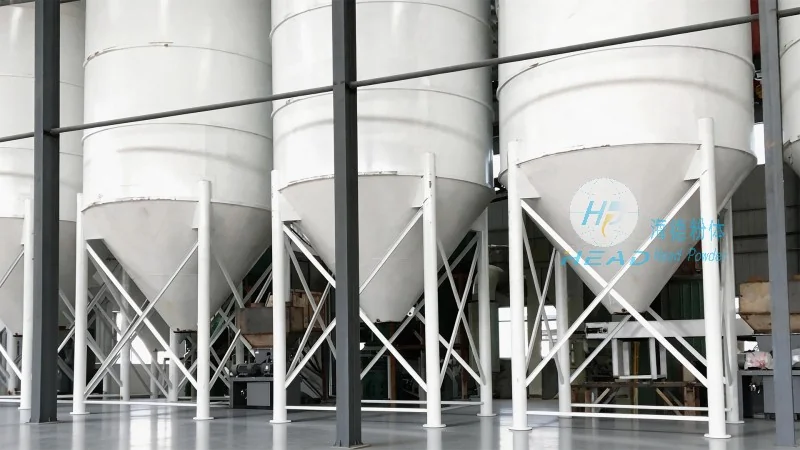
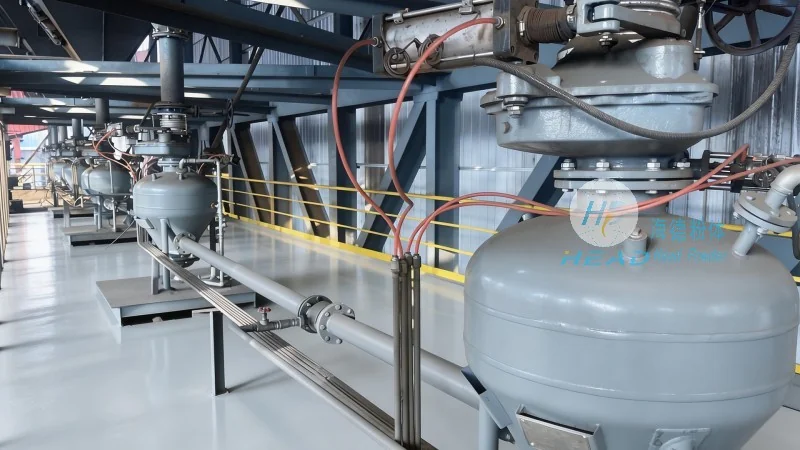
Pneumatic conveying, or air-based transport, is a widely used method for handling powders and fine particulates like carburizing purification ash. This technology utilizes a stream of air to move material through a pipeline. There are two primary types: pressure and vacuum systems. Pressure systems use compressed air to push material forward, while vacuum systems create a negative pressure to draw material into the pipeline. Pneumatic conveying offers several benefits, including the ability to transport material over long distances, vertical and horizontal movement capabilities, and the option to integrate with existing dust collection systems. However, it also has drawbacks, such as higher energy consumption compared to mechanical systems, potential for material degradation if not properly controlled, and the need for regular maintenance of air filters and pipelines. The choice between pressure and vacuum depends on the specific application, with pressure systems generally preferred for long-distance horizontal transport and vacuum systems for shorter distances or when material needs to be drawn from multiple sources.
2. Screw Conveyors
Screw conveyors, also known as auger conveyors, are mechanical devices that use a rotating screw to move material along a trough. This method is particularly effective for conveying bulk materials with a moderate to high bulk density, such as carburizing purification ash. Screw conveyors are simple in design, relatively low-cost, and can handle a wide range of particle sizes. They are suitable for both horizontal and inclined transport, with the angle of inclination limited by the material's angle of repose and the conveyor's design. One of the key advantages of screw conveyors is their ability to provide a continuous, controlled flow of material, which is essential for maintaining consistent production rates. However, they have limitations, including the risk of material bridging or clogging in the trough, especially with cohesive or sticky materials. Additionally, screw conveyors are not suitable for long-distance transport due to the mechanical wear and energy consumption associated with the rotating screw. For carburizing purification ash, screw conveyors are often used in short to medium-distance applications, such as moving ash from a reactor to a storage hopper or for feeding into other processing equipment.
3. Belt Conveyors

Belt conveyors are another common mechanical conveying method that uses a continuous belt to transport material. The belt is typically made of rubber or synthetic materials and is supported by rollers or idlers. This system is highly effective for transporting large volumes of material over long distances, both horizontally and at a slight incline. Belt conveyors are widely used in industries such as mining, construction, and chemical processing due to their high capacity and durability. For carburizing purification ash, belt conveyors can handle the material's bulk density and particle size, providing a reliable and efficient transport solution. The main advantages of belt conveyors include their ability to handle high throughput, low energy consumption per unit of material, and minimal maintenance requirements once properly installed. However, they have some drawbacks, such as the need for regular belt tension checks and replacement, potential for material spillage if not properly sealed, and the risk of belt damage from abrasive materials like ash. Belt conveyors are often preferred for applications requiring long-distance transport or when the ash needs to be moved to a central storage facility.
4. Hydraulic Conveying
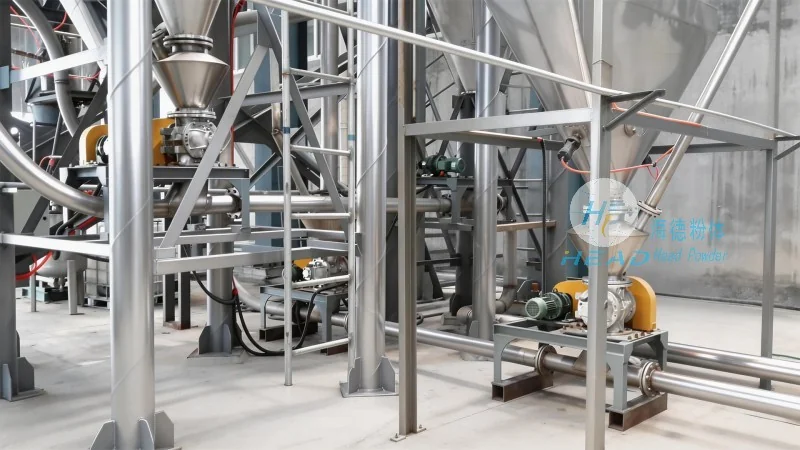
Hydraulic conveying, or slurry transport, involves mixing carburizing purification ash with water to form a slurry, which is then pumped through a pipeline. This method is particularly effective for handling fine, abrasive materials that are difficult to convey using other methods. The slurry is typically pumped using centrifugal pumps, and the pipeline is designed to withstand the pressure and abrasion from the slurry. Hydraulic conveying offers the advantage of being able to transport material over long distances with relatively low energy consumption compared to pneumatic systems. However, it has significant drawbacks, including the need for a water treatment system to separate and recycle the water from the ash, potential for material degradation due to prolonged exposure to water, and the risk of pipeline clogging if the slurry is not properly agitated. This method is generally used in applications where the ash needs to be transported to a distant location for disposal or processing, and where water resources are readily available.