Chuyên sâu trong lĩnh vực vật liệu rời công nghiệp, cung cấp giải pháp môi trường thông minh tích hợp cho phối trộn tự động, cấp liệu tập trung, khử lưu huỳnh và khử nitơ khô!
Denitrization fly ash, also known as flue gas desulfurization (FGD) gypsum or desulfurization gypsum, is a byproduct generated during the flue gas desulfurization process in thermal power plants and other industrial facilities. Efficient and reliable conveying of this material is crucial for subsequent processing, storage, and utilization. Various methods are employed to handle denitrization fly ash, each with its own advantages and considerations. This article explores the common methods used for denitrization fly ash conveying, providing insights into the technologies and approaches adopted by industry leaders such as Shandong HeadPowder Engineering Co., Ltd.
Company Overview: Shandong HeadPowder Engineering Co., Ltd.
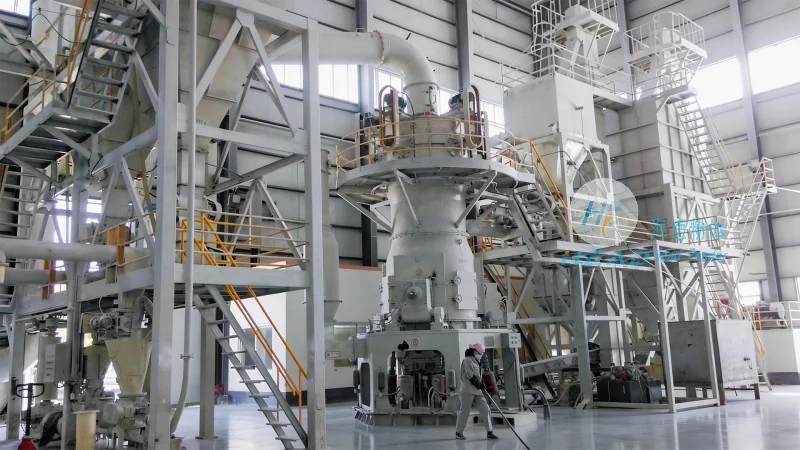
Shandong HeadPowder Engineering Co., Ltd., a prominent player in the powder handling and conveying industry, specializes in providing comprehensive solutions for material transport, including denitrization fly ash. With a strong commitment to innovation and quality, the company has developed advanced technologies and equipment tailored to the unique challenges of handling this specific material. HeadPowder's expertise in material flow control, equipment design, and system integration ensures that clients receive efficient and reliable conveying solutions that meet their operational requirements.
Common Conveying Methods for Denitrization Fly Ash
Several methods are widely used for denitrization fly ash conveying, each suited to different operational conditions, material characteristics, and project requirements. The primary methods include pneumatic conveying, mechanical conveying (such as belt conveyors and screw conveyors), and hydraulic conveying. Each method has distinct features that influence its suitability for specific applications.
Pneumatic Conveying Systems
Pneumatic conveying is a widely adopted method for denitrization fly ash transport due to its ability to handle fine powders over long distances with minimal maintenance. This method utilizes air pressure to move the material through a pipeline system. There are two main types of pneumatic conveying: positive pressure and negative pressure systems. Positive pressure systems use compressed air to push the material forward, while negative pressure systems use vacuum to draw the material into the pipeline. Pneumatic conveying offers advantages such as flexibility in layout, ability to handle abrasive materials, and reduced risk of dust contamination. However, it requires careful design to ensure proper air flow and material transport efficiency. Shandong HeadPowder Engineering Co., Ltd. has extensive experience in designing and implementing pneumatic conveying systems for denitrization fly ash, ensuring optimal performance and reliability.

Mechanical Conveying Solutions
Mechanical conveying methods, including belt conveyors and screw conveyors, are also commonly used for denitrization fly ash handling. Belt conveyors are ideal for transporting larger quantities of material over moderate distances, while screw conveyors are suitable for handling bulk materials in vertical or horizontal configurations. These systems are generally more cost-effective for shorter distances and less abrasive materials compared to pneumatic systems. However, they may require more maintenance and are less flexible in terms of layout changes. HeadPowder provides customized mechanical conveying solutions that integrate with existing infrastructure, ensuring seamless integration and efficient material transport.
Hydraulic Conveying as an Alternative
Hydraulic conveying, which involves transporting material suspended in water, is another method used for denitrization fly ash. This approach is particularly effective for handling fine powders and can be used over long distances with minimal energy consumption. However, it requires additional equipment for water treatment and material separation, increasing operational complexity and costs. Hydraulic conveying is less common for denitrization fly ash due to the need for specialized infrastructure and maintenance. Shandong HeadPowder Engineering Co., Ltd. evaluates hydraulic conveying options based on client-specific requirements and operational constraints, offering tailored solutions that balance efficiency and cost-effectiveness.
Factors Influencing Conveying Method Selection
The choice of denitrization fly ash conveying method depends on several key factors, including the material's physical properties (such as particle size, moisture content, and abrasiveness), the distance to be covered, the required flow rate, and the available space for equipment installation. Additionally, operational considerations such as maintenance requirements, energy consumption, and environmental regulations play a crucial role in method selection. For example, in applications where long-distance transport is required and space is limited, pneumatic conveying may be preferred. Conversely, for shorter distances and bulk material handling, mechanical conveyors offer a cost-effective solution. Shandong HeadPowder Engineering Co., Ltd. conducts thorough assessments of these factors to recommend the most suitable conveying method for each project, ensuring optimal performance and compliance with industry standards.

Advantages and Considerations of Each Method
Each conveying method for denitrization fly ash has its own set of advantages and considerations. Pneumatic conveying provides flexibility and minimal dust generation but requires careful air flow management. Mechanical conveyors are cost-effective and easy to install but may experience wear and tear from abrasive materials. Hydraulic conveying offers low energy consumption for long distances but involves additional water treatment and separation processes. Shandong HeadPowder Engineering Co., Ltd. considers these factors when designing conveying systems, ensuring that the chosen method aligns with the client's operational goals and budget constraints. The company's expertise in material flow analysis and system optimization helps in selecting the most efficient and reliable conveying solution for denitrization fly ash.
Conclusion
Efficient conveying of denitrization fly ash is essential for the sustainable management of byproducts from flue gas desulfurization processes. Various methods, including pneumatic, mechanical, and hydraulic conveying, are available, each with its own advantages and limitations. The selection of the appropriate method depends on factors such as material characteristics, distance, and operational requirements. Shandong HeadPowder Engineering Co., Ltd. leverages its expertise in powder handling and conveying to provide customized solutions that meet the unique needs of clients. By adopting advanced technologies and tailored system designs, HeadPowder ensures reliable and efficient transport of denitrization fly ash, contributing to the sustainable operation of industrial facilities.

 Shandong Headpowder Engineering Co., Ltd.
 156-6277-7102(Quản lý Trương)
  0531-83386006
  Thành phố Tế Nam, Tỉnh Sơn Đông, Trung Quốc
Điện thoại
WeChatTư vấn
Lên đầu