Chuyên sâu trong lĩnh vực vật liệu rời công nghiệp, cung cấp giải pháp môi trường thông minh tích hợp cho phối trộn tự động, cấp liệu tập trung, khử lưu huỳnh và khử nitơ khô!
When it comes to handling and transporting coffee beans or finished coffee products, selecting the right conveying method is crucial for efficiency, cost-effectiveness, and product integrity. Various technologies are available, each with its own advantages and applications. This article explores the primary methods used in coffee processing and distribution, providing insights into how companies like Shandong HeadPowder Engineering Co., Ltd. approach these challenges.
Understanding the Importance of Coffee Conveying
Efficient coffee conveying systems are essential in the coffee supply chain, from raw bean collection to packaging and distribution. The choice of method impacts not only operational costs but also the quality of the coffee, as improper handling can lead to damage, contamination, or loss of flavor. Companies in the industry, such as HeadPowder, recognize the need for reliable, durable, and adaptable solutions that can meet the demands of modern coffee production and logistics.
Common Coffee Conveying Methods
Several techniques are widely used in coffee processing facilities. The most common include mechanical conveyors, such as belt conveyors, screw conveyors, and chain conveyors, which are ideal for moving bulk materials over short to medium distances. These systems are often preferred for their simplicity, low maintenance, and ability to handle various coffee products, including raw beans, roasted beans, and ground coffee. For example, belt conveyors use a continuous belt to transport coffee, while screw conveyors utilize a rotating screw to push materials forward, making them suitable for vertical or inclined transport.

Advantages of Mechanical Conveyors
Mechanical conveyors offer several benefits that make them a popular choice in coffee handling. They are generally cost-effective, requiring minimal energy to operate and low maintenance costs over time. Additionally, these systems can be easily integrated into existing production lines, allowing for flexibility in layout and operation. For instance, a belt conveyor can be adjusted to handle different volumes of coffee, and its speed can be controlled to ensure proper processing. This adaptability is particularly valuable in coffee processing plants where production needs may vary based on demand.
Alternative: Pneumatic Conveying Systems

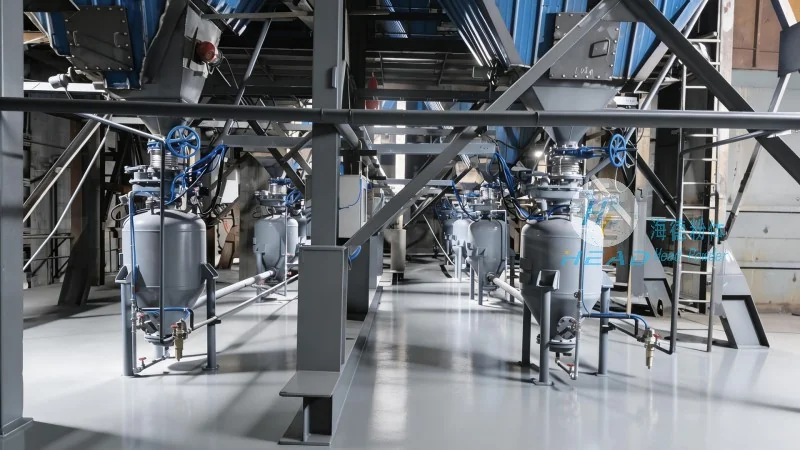
Another method gaining traction in the coffee industry is pneumatic conveying, which uses air pressure to transport coffee particles through a pipeline. This technique is particularly effective for handling fine or powdery coffee products, such as ground coffee or instant coffee. Pneumatic systems can move materials over longer distances with less risk of spillage or contamination compared to mechanical methods. However, they require more energy and may be more complex to install and maintain. Companies like HeadPowder are exploring the integration of pneumatic conveying with other technologies to enhance overall efficiency in coffee processing.
Considerations for Choosing a Conveying System
When selecting a coffee conveying method, several factors must be considered. The type of coffee product (raw beans, roasted beans, ground coffee) and its physical properties (size, moisture content, density) play a significant role. The distance and layout of the production facility also influence the choice, as some systems are better suited for short, horizontal transport while others excel in vertical or long-distance applications. Additionally, the budget and available space are critical factors. For example, a small coffee roasting shop might opt for a simple belt conveyor, while a large-scale coffee processing plant may require a combination of mechanical and pneumatic systems to handle high volumes efficiently.
HeadPowder's Approach to Coffee Conveying Solutions
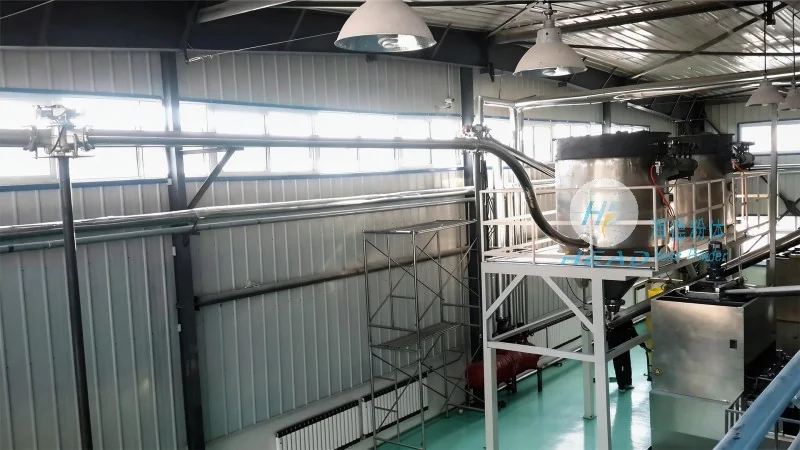
As a leading provider of engineering solutions, Shandong HeadPowder Engineering Co., Ltd. specializes in designing and manufacturing customized coffee conveying systems tailored to the specific needs of their clients. The company understands that each coffee processing facility has unique requirements, and their approach involves thorough analysis of the client's production processes, product characteristics, and operational goals. By leveraging their expertise in mechanical and pneumatic technologies, HeadPowder offers solutions that enhance efficiency, reduce downtime, and ensure the quality of coffee products throughout the supply chain.
Conclusion: Selecting the Right Coffee Conveying Method
Choosing the appropriate coffee conveying method is a critical decision for any coffee processing business. Whether opting for mechanical or pneumatic systems, companies must consider factors such as product type, distance, budget, and operational needs. With the right system in place, coffee producers can improve their workflow, reduce costs, and maintain the quality of their products. As the coffee industry continues to evolve, companies like Shandong HeadPowder Engineering Co., Ltd. remain committed to providing innovative and reliable conveying solutions that meet the demands of modern coffee production and distribution.

 Shandong Headpowder Engineering Co., Ltd.
 156-6277-7102(Quản lý Trương)
  0531-83386006
  Thành phố Tế Nam, Tỉnh Sơn Đông, Trung Quốc
Điện thoại
WeChatTư vấn
Lên đầu