

How Can Plastic Conveying Be Achieved?
When it comes to handling and transporting plastic materials in industrial settings, selecting the right conveying method is crucial for efficiency, cost-effectiveness, and product integrity. Various techniques have been developed to address the unique properties of plastics, such as their lightweight nature, varying densities, and susceptibility to damage. Understanding the available options allows businesses to optimize their material handling processes and ensure smooth operations.
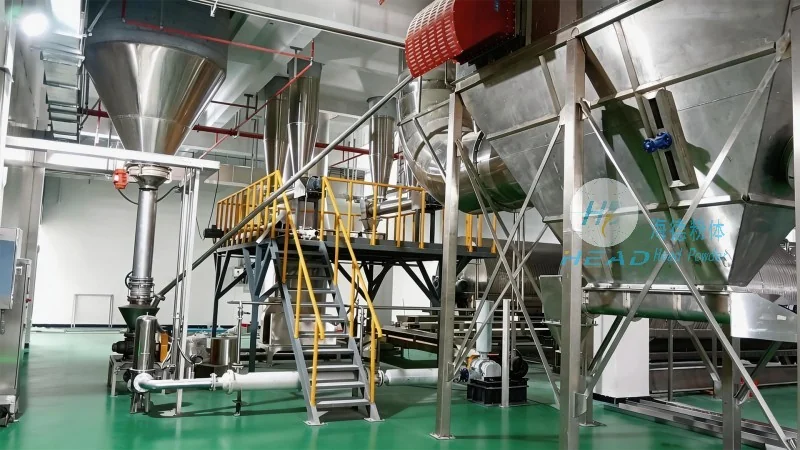
Overview of Plastic Conveying Options
Plastic conveying systems are designed to move plastic materials from one location to another within a production facility. The choice of method depends on several factors, including the type of plastic, the volume of material, the distance to be covered, and the required speed of transport. Common methods include mechanical conveyors, pneumatic conveying systems, and gravity-based solutions. Each approach has its own advantages and limitations, making it essential to evaluate the specific needs of the operation before making a decision.
1. Mechanical Conveyors for Plastic Handling
Mechanical conveyors are among the most widely used solutions for plastic conveying. These systems utilize mechanical components like belts, chains, or rollers to transport materials. For instance, belt conveyors are ideal for moving lightweight plastic pellets or granules over short to medium distances. They are simple to install, require minimal maintenance, and can handle a wide range of plastic types. Chain conveyors, on the other hand, are more robust and suitable for heavier or bulkier plastic products, such as large plastic sheets or containers. These conveyors can operate at higher speeds and are capable of handling steep inclines, making them versatile for various applications.
2. Pneumatic Conveying Systems

Pneumatic conveying uses air or other gases to transport plastic materials through a pipeline. This method is particularly effective for fine powders or granules that are difficult to handle with mechanical systems. There are two main types of pneumatic conveying: pressure and vacuum systems. Pressure systems force air through the pipeline, pushing the plastic material forward, while vacuum systems create a negative pressure that pulls the material into the line. Pneumatic conveying offers advantages such as low maintenance, the ability to transport materials over long distances, and minimal product contamination. However, it requires a reliable air supply and may not be suitable for very large or heavy plastic items.
3. Gravity Conveying Solutions
Gravity conveying relies on the natural force of gravity to move plastic materials from a higher elevation to a lower one. This method is often used in combination with other systems or as a standalone solution for short distances. For example, inclined chutes or troughs can be used to transport plastic pellets or granules from a hopper to a processing unit. Gravity conveyors are simple, cost-effective, and do not require any moving parts, reducing the risk of mechanical failure. They are particularly suitable for materials that are not prone to segregation or degradation during transport. However, they are limited by the need for a sufficient height difference and may not be efficient for large volumes or long distances.
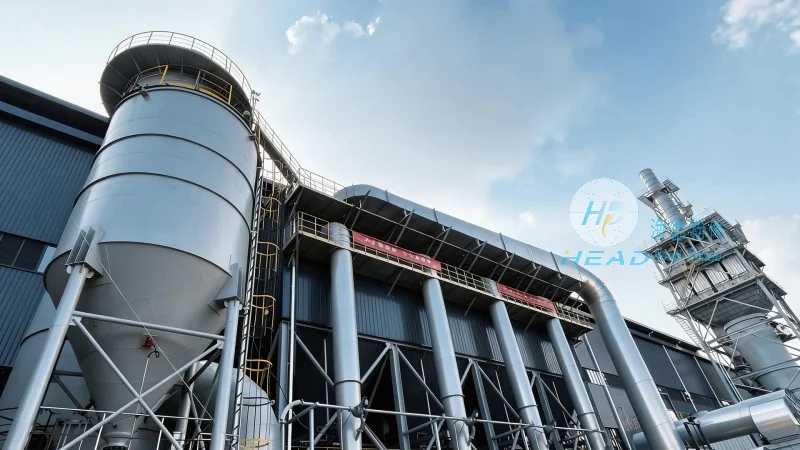
4. Combining Conveying Methods for Optimal Performance
In many industrial applications, a combination of different conveying methods is employed to achieve the best results. For instance, a pneumatic system might be used to transport fine plastic powders from a storage silo to a processing plant, while a mechanical conveyor transports larger plastic parts from a production line to a packaging area. This integrated approach allows for seamless material flow and minimizes bottlenecks. Companies like Shandong HeadPowder Engineering Co., Ltd. specialize in designing and implementing customized conveying solutions that meet the specific requirements of their clients. With years of experience in the industry, they understand the importance of selecting the right method for each stage of the production process.
Conclusion
Choosing the appropriate plastic conveying method is a critical decision for any business involved in plastic processing. By considering factors such as material type, volume, and distance, companies can select the most efficient and cost-effective solution. Whether it's mechanical, pneumatic, or gravity-based systems, the goal is to ensure smooth, reliable, and safe transport of plastic materials. With the right approach, businesses can enhance productivity, reduce operational costs, and maintain the quality of their products. Shandong HeadPowder Engineering Co., Ltd. offers expert guidance and tailored solutions to help companies achieve their material handling goals effectively.