Chuyên sâu trong lĩnh vực vật liệu rời công nghiệp, cung cấp giải pháp môi trường thông minh tích hợp cho phối trộn tự động, cấp liệu tập trung, khử lưu huỳnh và khử nitơ khô!
When it comes to efficiently handling and transporting peas, selecting the right conveying method is crucial for optimizing production processes and ensuring product quality. As a leading provider in the field, Shandong HeadPowder Engineering Co., Ltd. offers a range of solutions tailored to meet diverse operational needs. This article explores the various methods for pea conveying, highlighting key considerations and the expertise of HeadPowder in delivering effective systems.
Understanding Pea Conveying Requirements
Before delving into specific methods, it's essential to understand the unique characteristics of peas that influence conveying choices. Peas are typically round, firm, and have a relatively high moisture content, which can affect how they move through different systems. Factors such as pea size, density, and the need for gentle handling to prevent damage are critical considerations. At HeadPowder, our engineers assess these variables to recommend the most suitable conveying solutions for each client's specific application.
Common Pea Conveying Methods
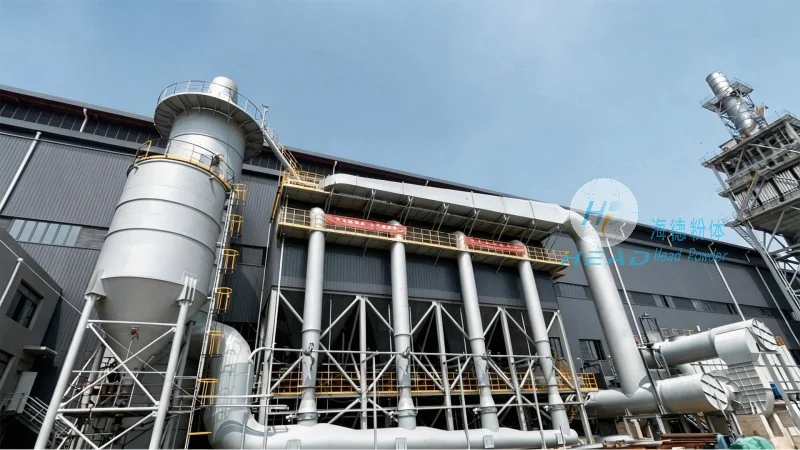
Several methods are commonly employed for pea conveying, each with its own advantages and applications. The primary options include mechanical conveyors, pneumatic systems, and specialized equipment designed for agricultural and food processing industries. Mechanical conveyors, such as belt conveyors and screw conveyors, are widely used for horizontal and vertical movement of peas. These systems are known for their reliability and ability to handle large volumes with minimal maintenance. For instance, belt conveyors use a continuous belt to transport peas from one point to another, making them ideal for long-distance horizontal transport. Screw conveyors, on the other hand, utilize a rotating screw to move peas in a vertical or inclined direction, providing efficient vertical lifting capabilities.
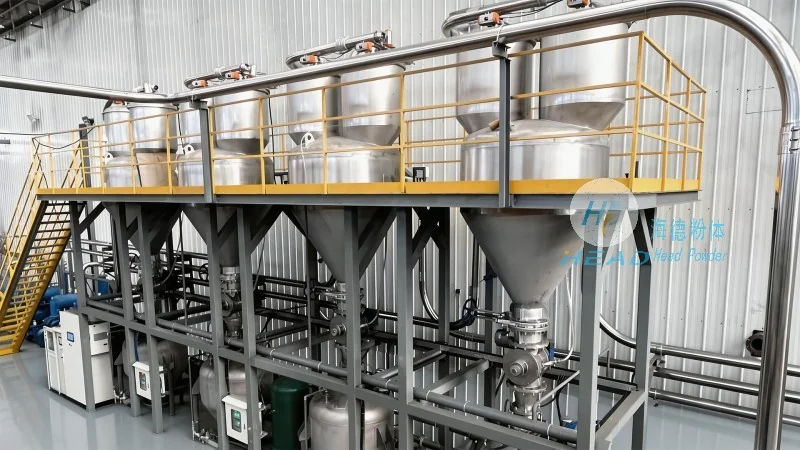
Pneumatic conveying systems, often referred to as air conveyors, are another popular choice for pea handling. These systems use compressed air to transport peas through a pipeline network. Pneumatic conveyors are particularly effective for moving peas over longer distances or in environments where dust control is a priority. They can handle both dry and wet peas and are often used in combination with other equipment, such as hoppers and cyclones, to create a complete conveying system. The key advantage of pneumatic systems is their ability to transport peas gently, reducing the risk of bruising or damage. However, they require careful design to ensure proper air flow and prevent clogging.

Specialized Conveying Solutions for Peas
For more specialized applications, HeadPowder offers tailored conveying solutions that address unique challenges in pea processing. One such solution is the use of flexible hose conveyors, which are ideal for transporting peas in areas with limited space or where frequent reconfiguration is needed. These systems use flexible hoses to move peas horizontally or at a slight angle, providing flexibility and ease of installation. Another option is the implementation of vibratory conveyors, which use vibrations to move peas along a trough. Vibratory conveyors are particularly effective for handling peas with varying sizes or shapes, as the vibrations help to prevent jamming and ensure smooth movement.
Additionally, HeadPowder specializes in the integration of conveying systems with other processing equipment, such as cleaning and sorting machines. This integrated approach ensures that peas are conveyed efficiently from one stage of processing to the next, minimizing downtime and maximizing productivity. Our team of experts works closely with clients to design customized conveying solutions that align with their specific production goals and operational constraints.
Key Considerations for Selecting a Pea Conveying System
When choosing a pea conveying system, several factors must be taken into account to ensure optimal performance and cost-effectiveness. The first consideration is the volume of peas to be transported, as this will determine the required capacity of the conveyor. The distance between the source and destination of the peas is another critical factor, as it influences the choice between horizontal, vertical, or combined systems. The need for gentle handling to preserve pea quality is also a key consideration, especially for high-value or delicate peas. Additionally, factors such as space availability, budget constraints, and maintenance requirements should be evaluated to select the most suitable system.
HeadPowder's expertise lies in providing comprehensive solutions that address these considerations while delivering reliable and efficient pea conveying systems. Our engineers conduct thorough assessments of each client's operations to recommend the best-fit method, whether it's a standard mechanical conveyor, a pneumatic system, or a specialized solution. By leveraging our experience and technical knowledge, we help clients optimize their pea handling processes and achieve higher levels of productivity and quality.

Conclusion
In conclusion, the selection of an appropriate pea conveying method is essential for efficient pea processing and handling. With a range of options available, from mechanical and pneumatic systems to specialized solutions, businesses can choose the method that best suits their needs. Shandong HeadPowder Engineering Co., Ltd. stands ready to assist with the design and implementation of effective pea conveying systems, leveraging our expertise to deliver tailored solutions that enhance operational efficiency and product quality. Whether you are processing large volumes of peas or require specialized handling for delicate varieties, HeadPowder offers the solutions to meet your conveying needs.

 Shandong Headpowder Engineering Co., Ltd.
 156-6277-7102(Quản lý Trương)
  0531-83386006
  Thành phố Tế Nam, Tỉnh Sơn Đông, Trung Quốc
Điện thoại
WeChatTư vấn
Lên đầu