Chuyên sâu trong lĩnh vực vật liệu rời công nghiệp, cung cấp giải pháp môi trường thông minh tích hợp cho phối trộn tự động, cấp liệu tập trung, khử lưu huỳnh và khử nitơ khô!
Electric wood powder, a key material in various industrial applications, requires efficient and reliable conveying systems to ensure smooth production processes. For manufacturers dealing with this material, selecting the right conveying method is crucial for maintaining productivity, controlling costs, and ensuring material integrity. This article provides a detailed comparison of common electric wood powder conveying methods, highlighting their advantages, limitations, and suitability for different industrial scenarios. We will explore the key factors to consider when choosing a conveying system, with a focus on the expertise of Shandong HeadPowder Engineering Co., Ltd., a leading provider in the field.
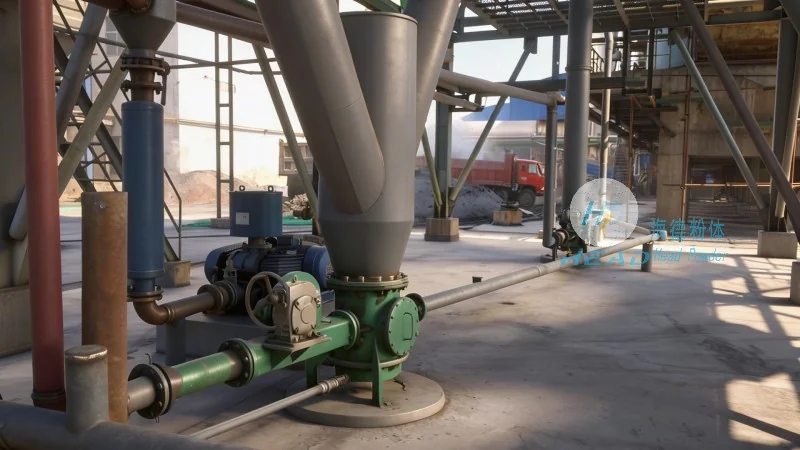
Understanding Electric Wood Powder and Conveying Challenges
Electric wood powder, often used in applications such as plastic molding, composites, and insulation, is characterized by its fine particle size and potential for static charge accumulation. These properties make traditional conveying methods challenging, as the material can easily clog, degrade, or cause dust explosions if not handled properly. Effective conveying systems must address issues like material segregation, moisture absorption, and the prevention of static discharge, all of which impact the quality and safety of the process. Shandong HeadPowder Engineering Co., Ltd. specializes in designing and implementing solutions tailored to these specific challenges, ensuring that electric wood powder is transported safely and efficiently.
1. Screw Conveyors: Traditional and Versatile Solutions

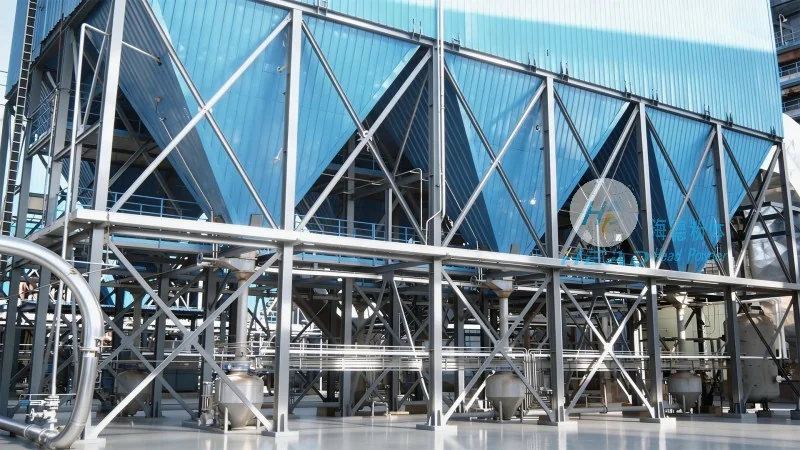
Screw conveyors, also known as auger conveyors, are one of the most common methods for electric wood powder transport. These systems use a rotating helical screw to move material along a trough or tube. The design allows for vertical or horizontal transport, making them suitable for various production layouts. Screw conveyors are particularly effective for handling dry, free-flowing powders and can be equipped with special materials or coatings to prevent material buildup or corrosion. A key advantage of screw conveyors is their simplicity and low maintenance requirements, which reduces operational costs. However, they may not be ideal for very fine or cohesive powders, as these can cause clogging or uneven flow. Shandong HeadPowder Engineering Co., Ltd. offers customized screw conveyor designs that optimize performance for electric wood powder, ensuring consistent material movement and minimal downtime.
2. Pneumatic Conveying Systems: High-Pressure and Low-Pressure Options
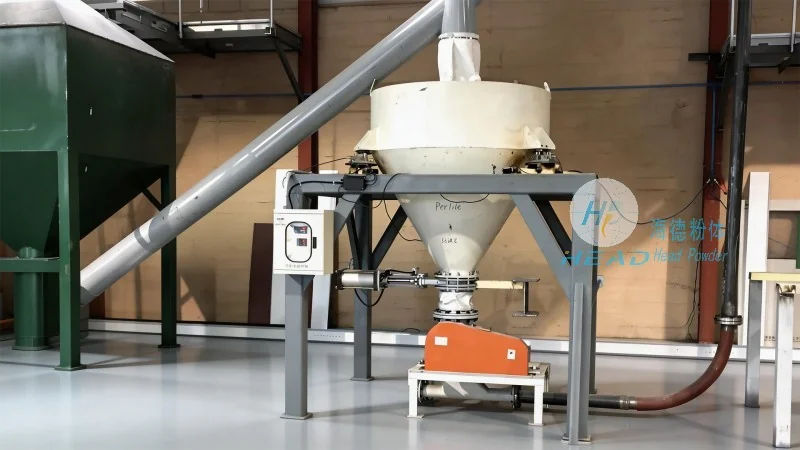
Pneumatic conveying systems use air or other gases to transport electric wood powder through a pipeline. These systems are categorized into high-pressure and low-pressure types, each with distinct applications. High-pressure systems use compressed air to create a high-velocity stream, suitable for long-distance or high-capacity transport. Low-pressure systems, on the other hand, rely on air pressure differentials and are often used for shorter distances or when handling sensitive materials. Pneumatic conveying offers advantages such as the ability to transport material over vertical and horizontal distances simultaneously, and the prevention of material contamination from external sources. However, it requires careful control of air pressure and flow rates to avoid material degradation or system inefficiencies. Shandong HeadPowder Engineering Co., Ltd. provides advanced pneumatic conveying solutions that ensure efficient material transport while maintaining the quality of electric wood powder.
3. Belt Conveyors: Continuous and High-Capacity Transport
Belt conveyors are another widely used method for electric wood powder conveying, particularly in applications requiring high throughput and continuous material movement. These systems consist of a continuous belt that moves material along a series of rollers or idlers. Belt conveyors are effective for horizontal or slightly inclined transport and can handle large volumes of material with minimal maintenance. They are particularly suitable for electric wood powder that is less prone to clogging and can be easily loaded onto the belt. A key advantage of belt conveyors is their ability to transport material over long distances with consistent speed and capacity. However, they may not be ideal for very fine powders or materials with high static charge, as these can cause material buildup or belt damage. Shandong HeadPowder Engineering Co., Ltd. designs belt conveyor systems that incorporate anti-static features and material handling accessories to ensure reliable operation for electric wood powder.

 Shandong Headpowder Engineering Co., Ltd.
 156-6277-7102(Quản lý Trương)
  0531-83386006
  Thành phố Tế Nam, Tỉnh Sơn Đông, Trung Quốc
Điện thoại
WeChatTư vấn
Lên đầu