Chuyên sâu trong lĩnh vực vật liệu rời công nghiệp, cung cấp giải pháp môi trường thông minh tích hợp cho phối trộn tự động, cấp liệu tập trung, khử lưu huỳnh và khử nitơ khô!
When it comes to handling and transporting seaweed powder, selecting the right conveying method is crucial for efficiency, cost-effectiveness, and product integrity. As a leading manufacturer in the field, Shandong HeadPowder Engineering Co., Ltd. understands the diverse needs of industries that rely on seaweed powder, such as food processing, pharmaceuticals, and cosmetics. This article provides a detailed comparison of common seaweed powder conveying methods, helping businesses make informed decisions to optimize their operations.

1. Pneumatic Conveying Systems: The Air-Driven Solution
Pneumatic conveying systems use compressed air or gas to transport dry materials like seaweed powder through a network of pipes. This method is particularly effective for fine powders that are prone to caking or clumping. There are two main types: pressure and vacuum systems. Pressure systems push the powder forward using positive pressure, while vacuum systems draw the material into the system using negative pressure. Pneumatic conveying offers advantages such as high capacity, low maintenance, and the ability to transport materials over long distances. However, it requires a robust air filtration system to prevent dust accumulation and ensure air quality. For companies dealing with high volumes of seaweed powder, this method can significantly reduce labor costs and improve throughput. Shandong HeadPowder Engineering Co., Ltd. specializes in designing customized pneumatic conveying solutions tailored to specific production requirements, ensuring optimal performance and reliability.
2. Screw Conveyors: The Mechanical Powerhouse
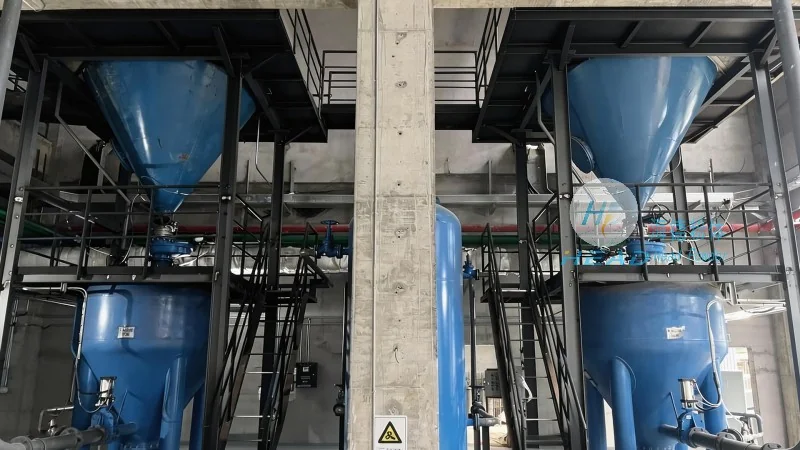
Screw conveyors, also known as auger conveyors, are mechanical devices that use a rotating screw to move materials along a trough. This method is ideal for transporting bulk seaweed powder in a continuous, controlled manner. The screw's rotation creates a pushing action that propels the powder forward. Screw conveyors are versatile and can handle a wide range of particle sizes and moisture contents. They are particularly useful for vertical or inclined transport, as the screw can lift the material to elevated levels. One of the key benefits of screw conveyors is their simplicity and low maintenance. They do not require compressed air or complex control systems, making them a cost-effective option for many applications. However, they may not be suitable for very fine or abrasive powders, as the screw and trough can experience wear over time. Shandong HeadPowder Engineering Co., Ltd. offers screw conveyor systems with durable materials like stainless steel to withstand the corrosive nature of seaweed powder, ensuring long-term performance.
3. Belt Conveyors: The Versatile Bulk Transport Option

Belt conveyors use a continuous belt to transport seaweed powder in a horizontal or slightly inclined direction. This method is widely used in bulk material handling due to its high capacity and ability to cover long distances. The belt is supported by rollers or idlers, and the material is placed on top of the belt, which moves it from the loading point to the discharge point. Belt conveyors are suitable for both dry and slightly moist seaweed powder, as long as the material does not stick to the belt. They are particularly effective for transporting large quantities of powder in a continuous flow, reducing bottlenecks in production lines. One of the advantages of belt conveyors is their ability to handle a variety of materials, including those with different particle sizes and shapes. However, they require regular maintenance to ensure the belt remains in good condition and to prevent material buildup. Shandong HeadPowder Engineering Co., Ltd. provides belt conveyor systems with adjustable speed and tension controls, allowing for precise control over the conveying process and minimizing product loss.
4. Bucket Elevators: The Vertical Transport Solution
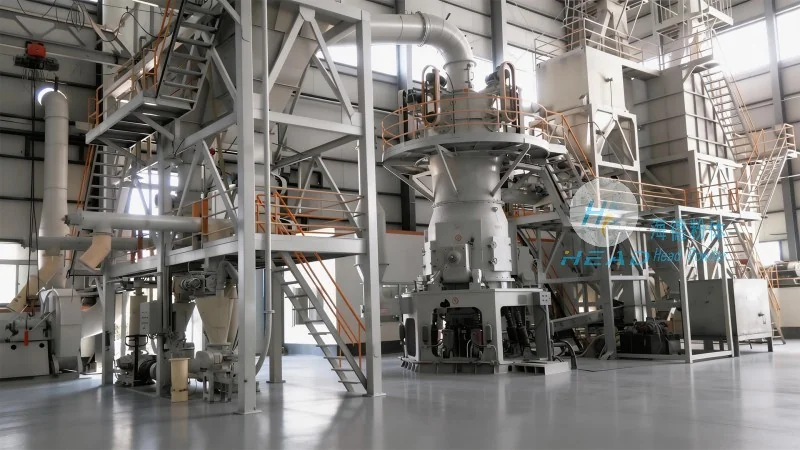
Bucket elevators are specialized conveyors designed to transport materials vertically or at steep angles. They consist of a continuous belt or chain with attached buckets that scoop up the seaweed powder and lift it to the desired height. This method is ideal for applications where vertical transport is necessary, such as moving powder from a lower storage area to an upper processing line. Bucket elevators offer high efficiency and can handle large volumes of material with minimal space requirements. They are particularly useful for preventing cross-contamination between different product batches, as each bucket is isolated from the others. One of the key benefits of bucket elevators is their ability to maintain product integrity, as the material is contained within the buckets throughout the transport process. However, they may be more complex and expensive to install compared to other methods. Shandong HeadPowder Engineering Co., Ltd. designs bucket elevator systems with stainless steel components to ensure hygiene and durability, making them suitable for food and pharmaceutical applications.
5. Hydraulic Conveying: The High-Pressure Alternative
Hydraulic conveying systems use high-pressure fluid to transport seaweed powder through a pipeline. This method is particularly effective for transporting abrasive or corrosive materials, as the fluid provides a cushioning effect that reduces wear on the pipeline. Hydraulic systems are commonly used in industries where the material is sensitive to air exposure or where dust control is critical. They can handle high volumes of material and are suitable for long-distance transport. However, hydraulic conveying requires specialized equipment and a reliable power source, making it more expensive to implement. The system also needs regular maintenance to prevent fluid leaks and ensure consistent performance. Shandong HeadPowder Engineering Co., Ltd. offers hydraulic conveying solutions with advanced control systems, allowing for precise regulation of flow rates and pressure, ensuring optimal transport of seaweed powder.

 Shandong Headpowder Engineering Co., Ltd.
 156-6277-7102(Quản lý Trương)
  0531-83386006
  Thành phố Tế Nam, Tỉnh Sơn Đông, Trung Quốc
Điện thoại
WeChatTư vấn
Lên đầu