

Comparison of Common Lithium Oxide Conveying Methods
When it comes to the handling and transportation of lithium oxide, selecting the right conveying method is crucial for efficiency, safety, and cost-effectiveness. Lithium oxide, a key material in various industries including battery manufacturing and chemical processing, requires specialized handling due to its chemical properties and potential hazards. This article provides a detailed comparison of common lithium oxide conveying methods, highlighting their advantages, limitations, and suitability for different applications. The information is presented by Shandong HeadPowder Engineering Co., Ltd., a leading provider of powder handling solutions based in China.
Overview of Lithium Oxide Conveying Methods

Lithium oxide is typically handled as a fine powder, which necessitates methods that can effectively transport it without causing dust, caking, or contamination. The primary conveying methods for lithium oxide include pneumatic conveying, screw conveyors, and pump systems. Each method has distinct characteristics that make it suitable for specific operational requirements. Understanding these differences helps in making an informed decision based on factors such as material flow rate, distance, and environmental considerations.
Pneumatic Conveying Systems
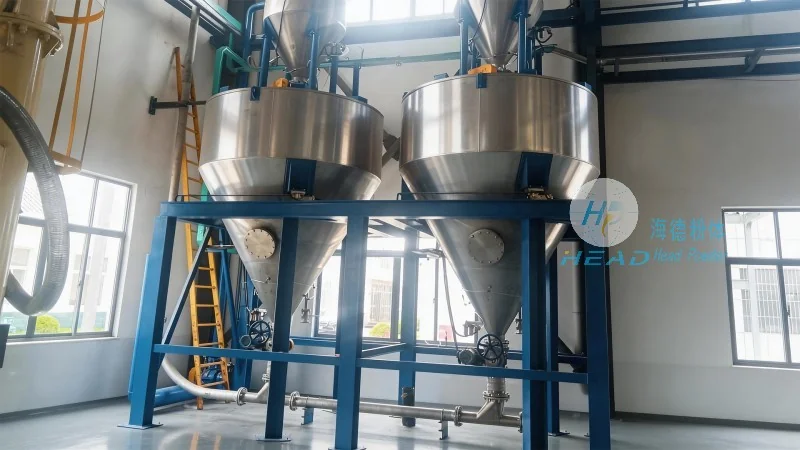
Pneumatic conveying uses air or other gases to transport powder materials through a pipeline. This method is particularly effective for lithium oxide due to its ability to handle fine powders and minimize dust exposure. There are two main types of pneumatic conveying: pressure and vacuum systems. Pressure systems push the material forward using compressed air, while vacuum systems pull the material through the pipeline using a vacuum pump. For lithium oxide, pressure systems are often preferred as they can handle higher flow rates and longer distances without significant pressure drops. Shandong HeadPowder Engineering Co., Ltd. specializes in designing and manufacturing customized pneumatic conveying systems tailored to the specific needs of lithium oxide handling, ensuring optimal performance and safety.
Screw Conveyors
Screw conveyors, also known as auger conveyors, use a rotating screw to move material along a trough. This method is suitable for transporting lithium oxide over shorter distances, typically up to 30 meters, and is commonly used in batch processing or small-scale operations. Screw conveyors are relatively simple in design, making them cost-effective and easy to maintain. However, they have limitations when handling very fine powders, as the screw can cause caking or blockages if the material is too dry or has high moisture content. For lithium oxide, which can be hygroscopic, proper material conditioning and screw design are essential to prevent these issues. Shandong HeadPowder Engineering Co., Ltd. offers screw conveyors with specialized coatings and materials to ensure reliable operation with lithium oxide.
Pump Systems
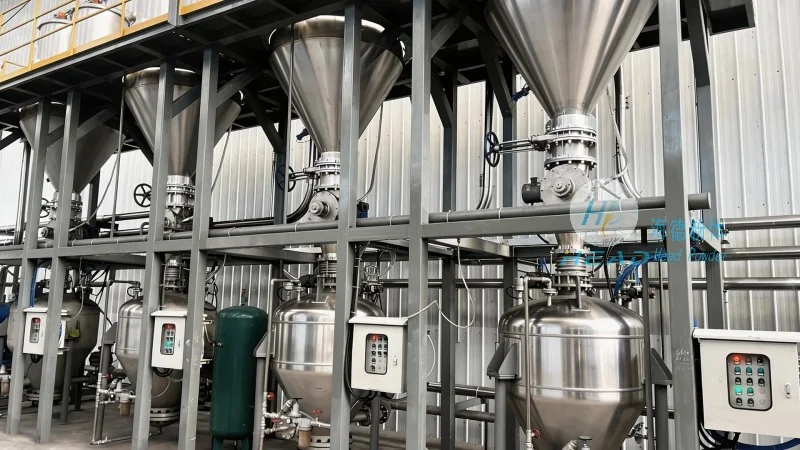
Pump systems, such as rotary lobe pumps or positive displacement pumps, are used for transporting lithium oxide in slurry form or as a suspension. This method is ideal for applications where the material needs to be mixed with a liquid or transported in a wet environment. Pump systems can handle high-viscosity slurries and provide consistent flow rates, making them suitable for continuous processing. However, they require careful maintenance to prevent material buildup and ensure proper sealing, as lithium oxide can be abrasive and corrosive. Shandong HeadPowder Engineering Co., Ltd. provides pump systems with robust construction and advanced sealing technologies to handle the challenges of lithium oxide transportation.
Key Considerations for Selecting a Conveying Method
When choosing a conveying method for lithium oxide, several factors must be considered to ensure the best performance and safety. The first consideration is the material's physical properties, including particle size, moisture content, and flowability. Lithium oxide is a fine powder with a tendency to aggregate, so methods that minimize friction and prevent caking are preferred. The second factor is the operational distance and flow rate requirements. For short distances and low flow rates, screw conveyors may be sufficient, while for longer distances and higher flow rates, pneumatic conveying is more appropriate. The third consideration is environmental and safety regulations. Lithium oxide is a hazardous material, and conveying systems must comply with local regulations regarding dust control and material containment. Shandong HeadPowder Engineering Co., Ltd. emphasizes compliance with international safety standards and provides solutions that meet the stringent requirements for handling lithium oxide.
Conclusion
Selecting the right conveying method for lithium oxide is critical to optimizing operational efficiency and ensuring safety. Pneumatic conveying offers flexibility and high flow rates, screw conveyors provide simplicity and cost-effectiveness for short distances, and pump systems are suitable for slurry applications. By understanding the characteristics of each method and considering the specific requirements of the application, industries can choose the most appropriate conveying solution. Shandong HeadPowder Engineering Co., Ltd. is committed to providing high-quality, customized conveying systems that meet the unique needs of lithium oxide handling, ensuring reliable and safe operation in various industrial settings.