Chuyên sâu trong lĩnh vực vật liệu rời công nghiệp, cung cấp giải pháp môi trường thông minh tích hợp cho phối trộn tự động, cấp liệu tập trung, khử lưu huỳnh và khử nitơ khô!
When it comes to the efficient and reliable transport of bauxite, selecting the right method is crucial for ensuring smooth operations in industrial processes. Bauxite, a key raw material in aluminum production, requires specialized handling to maintain its quality and integrity during transit. Various transport methods have been developed to cater to different operational needs, from bulk handling to precise delivery. This article explores the primary methods used for bauxite transport, highlighting their applications and benefits.
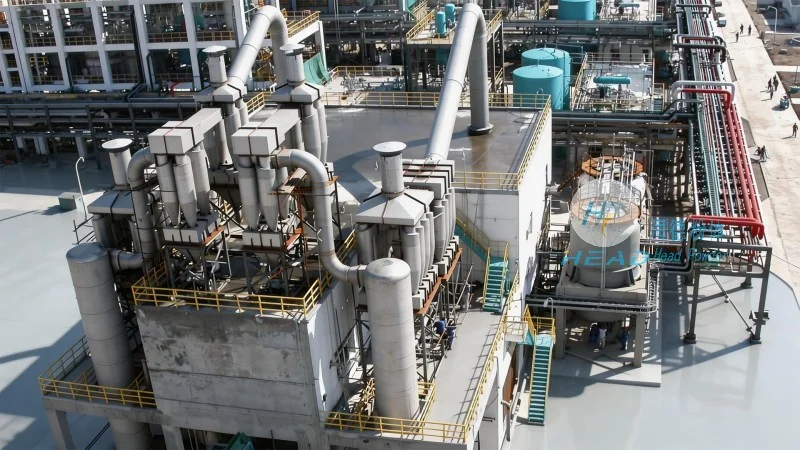
1. Bulk Handling by Trains
One of the most common methods for transporting bauxite is via rail. Trains equipped with specialized wagons, such as hopper cars or covered wagons, are widely used in regions with extensive railway networks. This method offers several advantages, including high capacity, reduced transportation costs per ton, and the ability to cover long distances efficiently. For example, in China, where bauxite is a major resource, rail transport is a preferred choice due to the country's robust railway infrastructure. The use of dedicated rail lines for bauxite ensures minimal interference with other freight traffic, allowing for consistent and timely delivery to processing plants. The process typically involves loading bauxite into the wagons at mines or ports, followed by transportation to aluminum smelters or storage facilities. This method is particularly effective for large-scale operations, as it can move thousands of tons of bauxite at once, reducing the number of trips required and minimizing operational downtime.
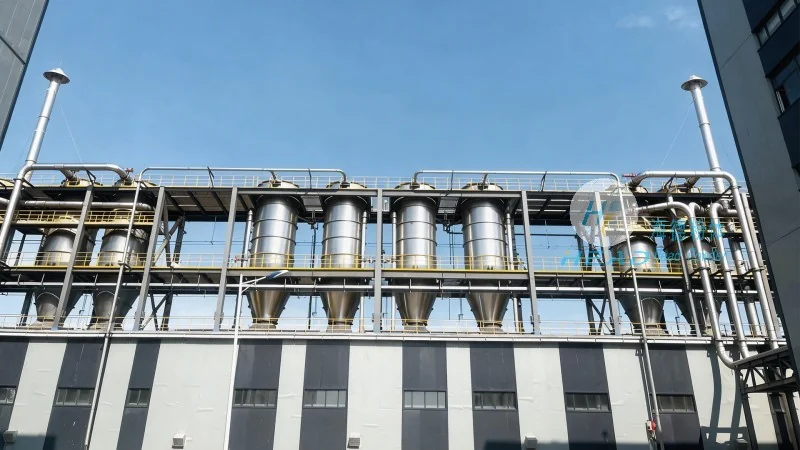
2. Truck Transportation
Truck transport is another essential method for bauxite delivery, especially in areas where railway access is limited or for shorter distances. Trucks, often equipped with heavy-duty trailers and specialized loading equipment, are used to transport bauxite from mines to processing facilities or to ports for export. This method provides flexibility in terms of route selection and can reach remote or inaccessible locations that are not served by rail. The advantages of truck transport include faster delivery times, the ability to handle smaller quantities, and the option for door-to-door service. However, it is generally more expensive per ton compared to rail transport, primarily due to higher fuel costs and lower capacity. The use of trucks is common in regions with diverse topography or where the bauxite supply is distributed across multiple sites. For instance, in Shandong, China, where Shandong HeadPowder Engineering Co., Ltd. operates, truck transport is utilized to deliver bauxite from local mines to the company's processing facilities. This method ensures that even small or irregularly located bauxite deposits can be efficiently transported, supporting the company's operations and meeting the demands of aluminum production.

3. Ship Transport for Bulk Cargo
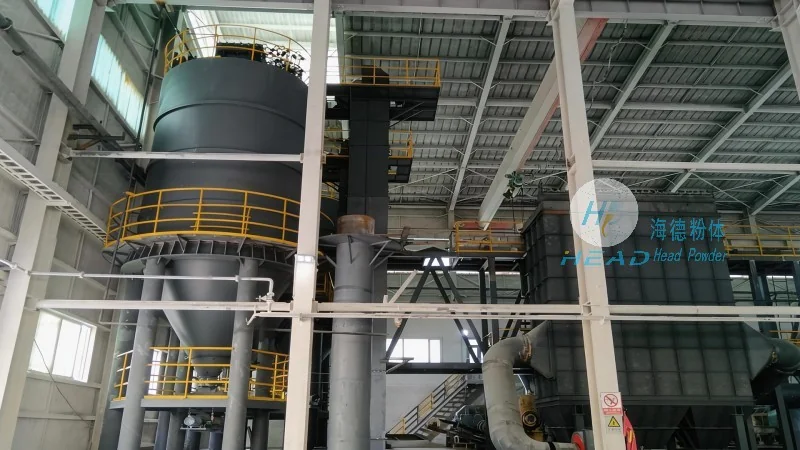
For long-distance and international bauxite transport, shipping via bulk carriers is the most economical and practical method. Bauxite is typically transported in bulk, either as dry bulk or in specialized containers, depending on the destination and processing requirements. Bulk carriers, such as bulkers or ore carriers, are designed to carry large quantities of non-liquid cargo, making them ideal for bauxite transport. This method is particularly beneficial for exporting bauxite from major producing regions to countries with high aluminum demand. The advantages of ship transport include low cost per ton, the ability to transport large volumes, and the flexibility to reach global markets. The process involves loading bauxite into the ship's holds at ports, followed by navigation to the destination port. Once arrived, the bauxite is unloaded and delivered to the processing plant or storage facility. This method is essential for connecting bauxite-producing regions with aluminum-producing countries, facilitating global trade and supply chain stability. The use of bulk carriers ensures that bauxite can be transported over thousands of kilometers without significant loss of quality, making it a reliable option for international bauxite transport.
4. Specialized Equipment for Handling
In addition to the primary transport methods, specialized equipment plays a critical role in ensuring the safe and efficient handling of bauxite. This includes conveyor systems, belt feeders, and loading/unloading machinery designed to handle the bulk nature of bauxite. These systems are often integrated with the transport methods mentioned above, enhancing overall operational efficiency. For example, conveyor belts are commonly used to move bauxite from mines to rail wagons or trucks, reducing manual labor and minimizing the risk of accidents. The use of specialized equipment also helps in maintaining the quality of bauxite by preventing contamination and breakage during handling. In the context of Shandong HeadPowder Engineering Co., Ltd., the company utilizes advanced handling equipment to ensure that bauxite is transported efficiently from its sources to processing facilities. This equipment is designed to handle the specific characteristics of bauxite, such as its density and abrasiveness, ensuring minimal wear and tear on machinery while maximizing throughput. The integration of specialized equipment with transport methods highlights the importance of a comprehensive approach to bauxite transport, where each component works in harmony to achieve optimal results.

 Shandong Headpowder Engineering Co., Ltd.
 156-6277-7102(Quản lý Trương)
  0531-83386006
  Thành phố Tế Nam, Tỉnh Sơn Đông, Trung Quốc
Điện thoại
WeChatTư vấn
Lên đầu