Chuyên sâu trong lĩnh vực vật liệu rời công nghiệp, cung cấp giải pháp môi trường thông minh tích hợp cho phối trộn tự động, cấp liệu tập trung, khử lưu huỳnh và khử nitơ khô!
When it comes to the efficient and safe handling and transport of lithium-ion batteries, various methods are employed across different industries. These methods are crucial for ensuring the batteries are moved from production lines to storage areas, or from warehouses to end-users without compromising their integrity or the safety of the personnel involved. The choice of method often depends on factors such as the scale of operations, the type of battery (e.g., size, weight, and chemical composition), and the specific requirements of the end application.
Manual Handling and Basic Mechanical Aids
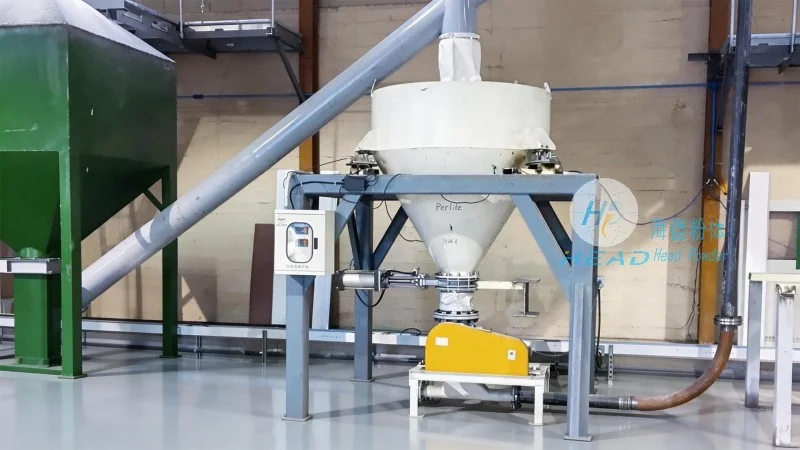
For smaller-scale operations or in environments where automation is not feasible, manual handling remains a common approach. Workers may use simple tools like pallet jacks or hand trucks to move batteries. However, this method requires careful training to prevent accidents, as lithium-ion batteries can be damaged during rough handling, leading to potential safety hazards like thermal runaway. In such cases, proper training programs and adherence to safety protocols are essential to minimize risks. Additionally, using protective packaging, such as anti-static bags or foam inserts, can further safeguard the batteries during manual transport.
Mechanical Handling Equipment
As production volumes increase, mechanical handling equipment becomes more prevalent. This category includes forklifts, palletizers, and conveyor systems. Forklifts, for instance, are widely used in warehouses to lift and move battery packs. They are chosen for their ability to handle heavy loads and navigate through tight spaces. Palletizers, on the other hand, are used to stack batteries on pallets, which facilitates storage and transportation. Conveyor systems, including belt conveyors and roller conveyors, are employed to move batteries through assembly lines or between different stages of production. These systems ensure consistent and controlled movement, reducing the risk of damage or mishandling. The use of mechanical aids not only enhances efficiency but also minimizes the physical strain on workers, making the process safer and more sustainable.
Automated Guided Vehicles (AGVs) and Robotics
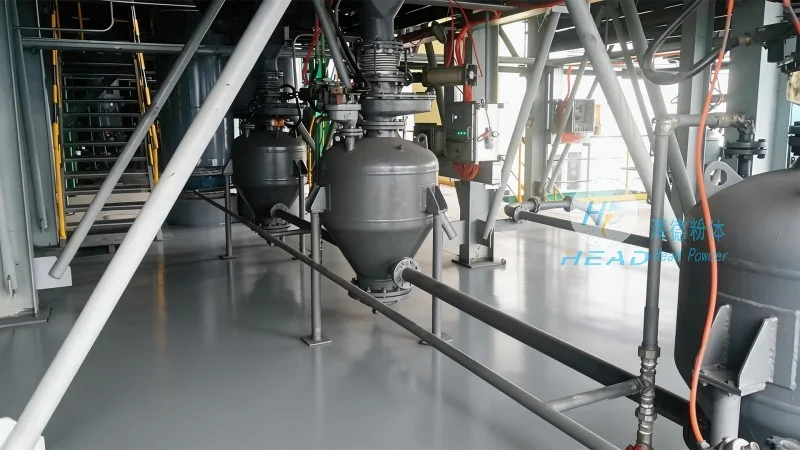
In modern manufacturing and logistics, automation has become a key driver for improving the handling and transport of lithium-ion batteries. Automated Guided Vehicles (AGVs) are self-propelled vehicles that follow pre-programmed paths to transport batteries between different areas of a facility. These systems are highly efficient and can operate 24/7, reducing labor costs and increasing throughput. AGVs can be equipped with sensors and cameras to navigate around obstacles and ensure precise positioning. Robotics, including collaborative robots (cobots) and autonomous mobile robots (AMRs), are also increasingly used in battery handling. For example, robotic arms can pick up and place batteries with high precision, while AMRs can transport them across large facilities. These automated solutions are particularly beneficial in high-volume production environments, where consistency and speed are critical. They also help maintain a clean and organized workspace, which is essential for preventing contamination and ensuring battery quality.
Specialized Packaging and Handling Solutions
Regardless of the method used, specialized packaging and handling solutions play a vital role in ensuring the safe transport of lithium-ion batteries. Custom-designed containers, such as battery-specific crates or boxes, are often used to protect batteries from impact, vibration, and environmental factors like moisture and temperature fluctuations. These containers may include features like shock absorbers, temperature-controlled interiors, or anti-static materials to further enhance safety. Additionally, the use of pallets with proper load distribution and secure fastening mechanisms can prevent batteries from shifting during transport. In some cases, specialized handling equipment like battery-specific forklift attachments or vacuum lifters may be employed to minimize the risk of damage. The choice of packaging and handling solutions is tailored to the specific characteristics of the batteries and the transport environment, ensuring that they are moved safely and efficiently.
Addressing Safety and Compliance
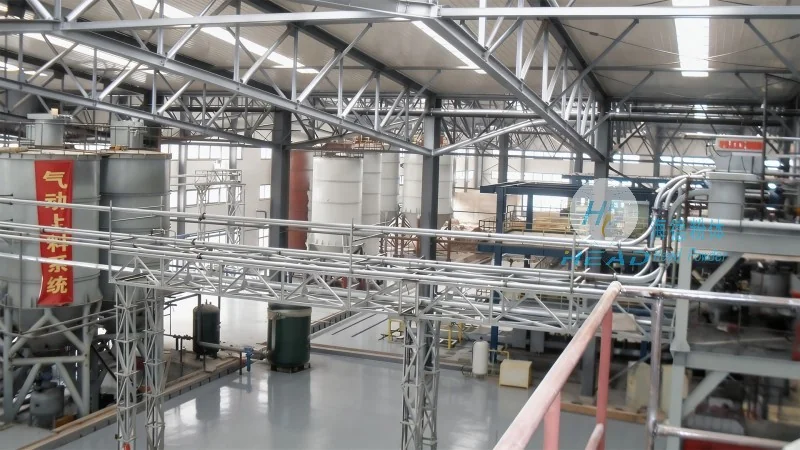
Handling and transporting lithium-ion batteries requires strict adherence to safety regulations and industry standards. This includes following guidelines from organizations such as the International Air Transport Association (IATA) for air transport, the International Maritime Organization (IMO) for maritime transport, and local regulations for ground transport. Companies must also implement proper training programs for their employees, ensuring they understand the risks associated with lithium-ion batteries and how to handle them safely. Regular inspections and maintenance of handling equipment are also essential to prevent malfunctions that could lead to accidents. By prioritizing safety and compliance, companies can minimize the risk of incidents and ensure the smooth operation of their battery handling and transport processes.
Shandong HeadPowder Engineering Co., Ltd., a leading provider of engineering solutions in China, specializes in designing and implementing efficient battery handling and transport systems. With a focus on safety, efficiency, and innovation, HeadPowder offers customized solutions tailored to the unique needs of their clients. The company's expertise in mechanical handling equipment, automation, and specialized packaging ensures that lithium-ion batteries are handled and transported in a manner that meets the highest standards of safety and performance. HeadPowder's commitment to quality and customer satisfaction has made them a trusted partner for businesses operating in the battery industry. Located in Shandong, China, HeadPowder continues to advance the technology and practices for battery handling, contributing to the growth and safety of the industry.

 Shandong Headpowder Engineering Co., Ltd.
 156-6277-7102(Quản lý Trương)
  0531-83386006
  Thành phố Tế Nam, Tỉnh Sơn Đông, Trung Quốc
Điện thoại
WeChatTư vấn
Lên đầu