Chuyên sâu trong lĩnh vực vật liệu rời công nghiệp, cung cấp giải pháp môi trường thông minh tích hợp cho phối trộn tự động, cấp liệu tập trung, khử lưu huỳnh và khử nitơ khô!
When it comes to transporting dry cobblestones, selecting the right method is crucial for ensuring efficiency, safety, and cost-effectiveness in construction and landscaping projects. The choice of conveying method depends on factors such as the size and weight of the cobblestones, the distance to be covered, and the specific requirements of the job site. In this article, we will explore various methods that can be employed for dry cobblestone conveying, providing insights into their applications and benefits. This information is brought to you by Shandong HeadPowder Engineering Co., Ltd., a leading provider of engineering solutions for material handling and transportation in China.
1. Mechanical Conveying Systems
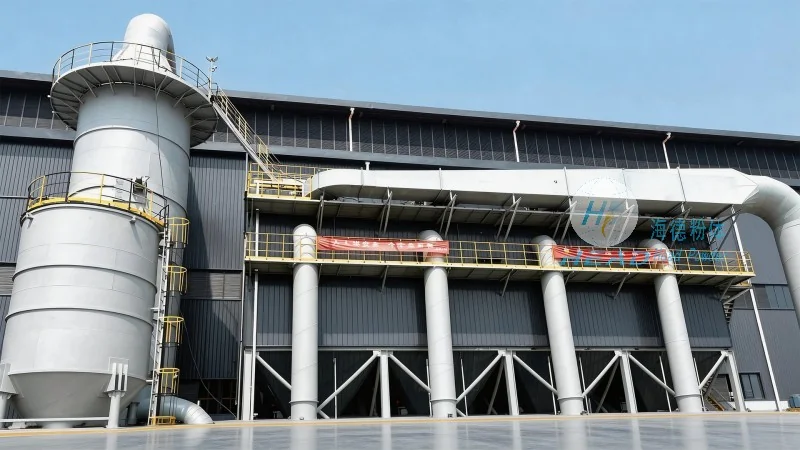
One of the most common and effective methods for dry cobblestone conveying is through mechanical systems. These systems utilize machinery to move the cobblestones from one location to another. A popular option is the belt conveyor, which consists of a continuous loop of material (usually rubber or PVC) supported by rollers. The belt is driven by a motor, and as it moves, it transports the cobblestones along its path. This method is particularly suitable for long distances and can handle a wide range of cobblestone sizes and weights. For instance, in road construction or landscaping projects, belt conveyors can efficiently transport large quantities of dry cobblestones from storage areas to the work site. The smooth operation of belt conveyors minimizes the risk of damage to the cobblestones, ensuring that their surface texture and integrity are preserved. Additionally, these systems can be customized with inclines or declines to accommodate different site topographies, making them versatile for various applications.
2. Screw Conveyors

Screw conveyors, also known as auger conveyors, are another mechanical solution for dry cobblestone conveying. These systems use a rotating screw or helical blade enclosed in a tube to move the material forward. The screw rotates and pushes the cobblestones along the tube, which can be horizontal or slightly inclined. Screw conveyors are ideal for transporting dry cobblestones in confined spaces or when a vertical lift is required. They are particularly effective for smaller cobblestones or when the material needs to be elevated to a higher level. For example, in a garden or patio installation, a screw conveyor can be used to lift dry cobblestones from a lower storage area to a raised platform. The enclosed design of screw conveyors helps prevent spillage and contamination, making them suitable for clean and precise conveying. Moreover, screw conveyors are relatively low-maintenance and can operate continuously without frequent adjustments, contributing to their reliability in dry cobblestone transport.
3. Pneumatic Conveying
Pneumatic conveying, or air-powered transport, is a method that uses compressed air to move dry cobblestones through a pipeline. This technique involves creating a pressure differential that propels the material along the pipeline. Pneumatic systems are particularly useful for transporting dry cobblestones in areas with limited access or when a high degree of automation is desired. They can be used for both short and long distances, depending on the system design. For instance, in a construction site where cobblestones need to be moved from a storage yard to a building facade, a pneumatic conveyor can efficiently transport the material without the need for heavy machinery or manual labor. The flexibility of pneumatic conveying allows for the integration of multiple pipelines, enabling the distribution of dry cobblestones to various locations within the site. Additionally, these systems can be equipped with filters and dust collection mechanisms to maintain air quality and prevent debris from escaping, making them environmentally friendly and safe for workers.
4. Manual and Semi-Mechanical Methods
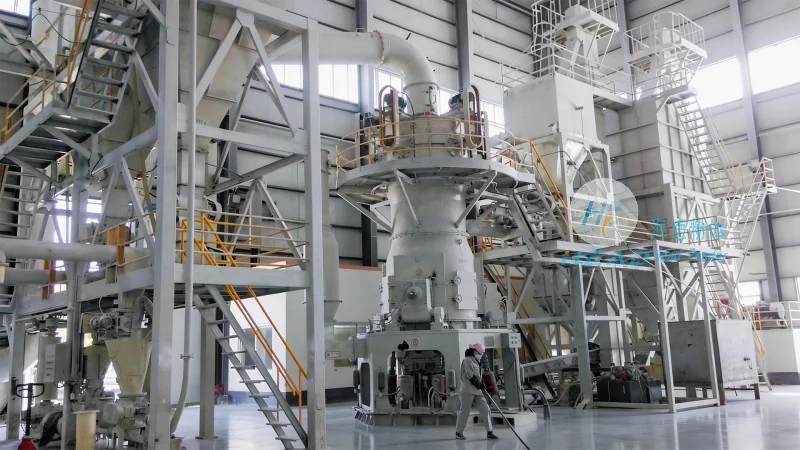
While mechanical systems are prevalent, manual and semi-mechanical methods still play a role in dry cobblestone conveying, especially in smaller-scale projects or when specific conditions require it. One such method is the use of wheelbarrows or hand trucks, which are manually operated to transport smaller quantities of dry cobblestones. This approach is suitable for short distances and low volumes, such as in residential landscaping or small garden renovations. The manual nature of this method allows for greater control over the handling of the cobblestones, ensuring that they are placed accurately and without damage. However, it is less efficient for large-scale projects and may require more labor compared to mechanical systems. Another semi-mechanical option is the use of conveyor belts with manual loading and unloading. These systems involve a belt conveyor that is manually loaded with dry cobblestones at one end and unloaded at the other. This method combines the efficiency of mechanical transport with the flexibility of manual operation, making it suitable for projects where some degree of automation is desired but not fully feasible.
5. Choosing the Right Conveying Method for Your Project
When selecting a method for dry cobblestone conveying, it is essential to consider several factors to ensure the best outcome. The first consideration is the distance and layout of the job site. For long distances or complex layouts, mechanical systems like belt conveyors or screw conveyors are often more efficient. For short distances or when vertical movement is needed, pneumatic or semi-mechanical methods may be more appropriate. The size and weight of the dry cobblestones also play a critical role. Larger and heavier cobblestones may require more robust mechanical systems with higher capacity and stronger components. Additionally, the budget and available resources should be taken into account. Mechanical systems may have higher initial costs but offer long-term efficiency and reduced labor costs. Manual methods, while less expensive initially, may require more labor and time, potentially increasing overall project costs. Finally, the environmental and safety considerations should not be overlooked. Systems that minimize dust, noise, and spillage are preferable, especially in urban or residential areas. By carefully evaluating these factors, project managers can choose the most suitable method for dry cobblestone conveying, ensuring that the project is completed on time, within budget, and with high-quality results.

 Shandong Headpowder Engineering Co., Ltd.
 156-6277-7102(Quản lý Trương)
  0531-83386006
  Thành phố Tế Nam, Tỉnh Sơn Đông, Trung Quốc
Điện thoại
WeChatTư vấn
Lên đầu