Chuyên sâu trong lĩnh vực vật liệu rời công nghiệp, cung cấp giải pháp môi trường thông minh tích hợp cho phối trộn tự động, cấp liệu tập trung, khử lưu huỳnh và khử nitơ khô!
Efficient and reliable copper powder conveying is a critical aspect of industrial operations, particularly in sectors such as metallurgy, electronics, and manufacturing. The choice of conveying method significantly impacts production efficiency, material quality, and operational costs. Shandong HeadPowder Engineering Co., Ltd., a leading provider in the field, specializes in delivering tailored solutions for copper powder handling. This article explores the various methods available for copper powder conveying, highlighting key considerations and applications.

1. Air-Pressure Conveying Systems
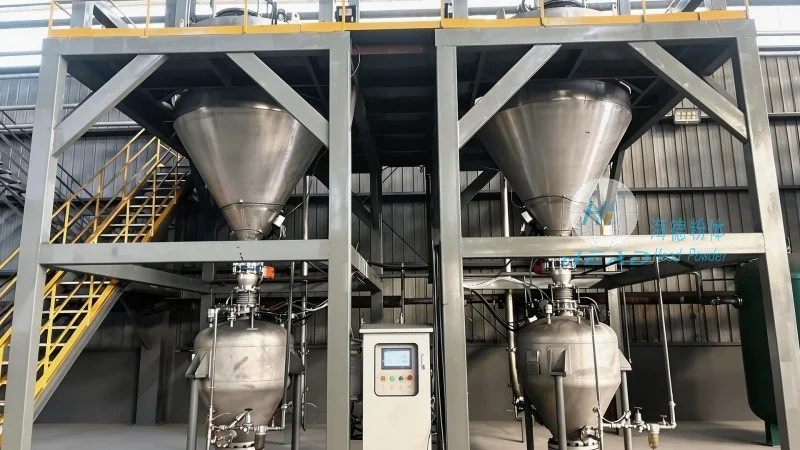
Air-pressure (pneumatic) conveying is one of the most common methods for copper powder transport. This technique utilizes compressed air to move the powder through a pipeline system. There are two primary types: pressure and vacuum systems. Pressure systems generate air pressure at the material inlet, pushing the powder forward, while vacuum systems create a negative pressure at the outlet, drawing the material in. The choice between these depends on factors like the distance to be covered, the quantity of powder, and the need for dust control. For instance, pressure systems are often preferred for long-distance conveying due to their ability to maintain consistent flow rates and minimize material degradation. In contrast, vacuum systems are suitable for shorter distances or when handling fine powders that require gentle handling to prevent agglomeration. The effectiveness of air-pressure conveying is enhanced by the use of specialized equipment, including rotary airlocks, cyclone separators, and filter bags, which ensure efficient material transfer and dust containment. Shandong HeadPowder Engineering Co., Ltd. offers advanced pneumatic conveying solutions tailored to specific industrial needs, ensuring optimal performance and compliance with safety standards.
2. Mechanical Conveying Methods
Mechanical conveying systems rely on mechanical components to transport copper powder. These methods are typically used for shorter distances or when the material requires more controlled handling. Common mechanical options include screw conveyors, belt conveyors, and bucket elevators. Screw conveyors use a rotating screw to move the powder along a trough, making them ideal for horizontal or slight incline transport. They are particularly effective for handling bulk materials and can be integrated with other processing equipment for seamless material flow. Belt conveyors, on the other hand, utilize a continuous belt to transport the powder, suitable for both horizontal and inclined paths. These systems are often chosen for their ability to handle large volumes and their low maintenance requirements. Bucket elevators are designed for vertical or steep incline transport, using buckets attached to a chain or belt to lift the powder. They are particularly useful in applications where vertical movement is necessary, such as in powder storage and processing facilities. Mechanical conveying methods are generally more cost-effective for shorter distances and less sensitive to material properties compared to pneumatic systems. However, they may require more space and maintenance. Shandong HeadPowder Engineering Co., Ltd. provides a range of mechanical conveying solutions, including custom-designed screw and belt systems, to meet diverse industrial requirements.
3. Hydraulic Conveying Systems
Hydraulic conveying employs water or other liquids to transport copper powder. This method is particularly effective for handling fine or abrasive powders that are difficult to convey using air or mechanical means. The powder is suspended in a liquid stream, which is then pumped through a pipeline system. The primary advantage of hydraulic conveying is its ability to handle high concentrations of solids, making it suitable for applications where material recovery is critical. For example, in the recycling industry, hydraulic systems can efficiently transport copper powder from waste streams to processing facilities. However, this method requires additional equipment for liquid separation and drying, as the powder must be recovered from the liquid after transport. The process involves using centrifuges or filters to separate the powder from the liquid, which can add complexity and cost to the overall system. Hydraulic conveying is also suitable for long-distance transport, as the liquid provides a stable medium for the powder. Shandong HeadPowder Engineering Co., Ltd. offers specialized hydraulic conveying solutions, including high-capacity pumps and separation equipment, to ensure efficient and cost-effective copper powder transport.
4. Vacuum Conveying Systems
Vacuum conveying is a variant of air-pressure conveying that uses a vacuum to draw the copper powder into the system. This method is particularly useful for handling fine powders or when the material needs to be transported from multiple sources to a central collection point. The system operates by creating a negative pressure at the inlet, which draws the powder into the pipeline. Vacuum systems are often preferred for applications where the powder is generated at multiple points, such as in a production line, as they can collect material from various locations without the need for individual pressure sources. The design of vacuum systems typically includes a vacuum pump, a filter, and a collection hopper. The filter is crucial for removing dust and preventing it from entering the vacuum pump, which can cause damage over time. Vacuum conveying is generally more energy-efficient than pressure systems, as it requires less power to maintain the vacuum compared to generating high-pressure air. However, it may have limitations in terms of conveying distance and material capacity. Shandong HeadPowder Engineering Co., Ltd. specializes in vacuum conveying solutions, providing systems that are optimized for fine powder handling and efficient material recovery.
5. Combination Conveying Systems

In many industrial applications, a single conveying method may not be sufficient to meet all the requirements. Combination systems, which integrate multiple conveying technologies, are often employed to achieve optimal performance. For example, a system might use pneumatic conveying for the initial transport of copper powder from a production line to a central storage area, followed by mechanical conveying for the final delivery to processing equipment. This approach allows for flexibility and efficiency, as each method is chosen based on the specific conditions of the transport. Combination systems can also include hydraulic components for handling abrasive or high-concentration powders, ensuring that all aspects of the material handling process are addressed. The design of these systems requires careful consideration of the material properties, distance, and operational constraints. Shandong HeadPowder Engineering Co., Ltd. offers customized combination conveying solutions, integrating pneumatic, mechanical, and hydraulic components to provide comprehensive copper powder handling solutions.
6. Key Considerations for Choosing a Conveying Method
When selecting a copper powder conveying method, several factors must be considered to ensure optimal performance and cost-effectiveness. The first consideration is the material properties of the copper powder, including its particle size, density, and moisture content. Fine powders with high moisture content may require more gentle handling to prevent agglomeration and material degradation. The distance to be covered is another critical factor, as different methods have varying conveying capacities and distances. For instance, pneumatic systems are suitable for long distances, while mechanical systems are better for shorter distances. The required flow rate and material volume also influence the choice of system. Additionally, the need for dust control and environmental compliance must be addressed, as some methods may generate more dust than others. The cost of equipment, maintenance, and energy consumption are also important considerations, as they impact the overall operational expenses. Shandong HeadPowder Engineering Co., Ltd. provides expert consultation to help clients evaluate these factors and select the most appropriate copper powder conveying method for their specific needs.
7. Conclusion
Efficient copper powder conveying is essential for maintaining production efficiency and material quality in various industrial applications. The choice of conveying method depends on several factors, including the material properties, distance, and operational requirements. Air-pressure, mechanical, hydraulic, and vacuum systems each offer unique advantages and are suitable for different applications. Combination systems can also be employed to address complex material handling needs. Shandong HeadPowder Engineering Co., Ltd. specializes in providing tailored copper powder conveying solutions, leveraging advanced technology and expertise to meet the diverse needs of industrial clients. With a focus on efficiency, reliability, and cost-effectiveness, the company ensures that copper powder is transported safely and effectively, supporting the smooth operation of industrial processes.

 Shandong Headpowder Engineering Co., Ltd.
 156-6277-7102(Quản lý Trương)
  0531-83386006
  Thành phố Tế Nam, Tỉnh Sơn Đông, Trung Quốc
Điện thoại
WeChatTư vấn
Lên đầu