Chuyên sâu trong lĩnh vực vật liệu rời công nghiệp, cung cấp giải pháp môi trường thông minh tích hợp cho phối trộn tự động, cấp liệu tập trung, khử lưu huỳnh và khử nitơ khô!
When it comes to handling magnesium powder, selecting the right conveying method is crucial for ensuring efficiency, safety, and product integrity. As a leading manufacturer in the field, Shandong HeadPowder Engineering Co., Ltd. specializes in providing tailored solutions for various industrial applications. This article explores the primary methods used for magnesium powder conveying, highlighting their advantages and practical applications.
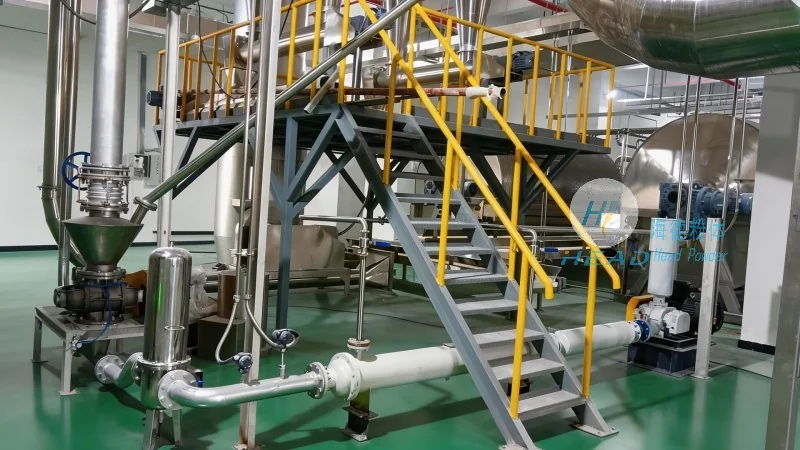
1. Air-Pressure Conveying Systems
Air-pressure conveying, also known as pneumatic conveying, is a widely adopted method for transporting magnesium powder due to its flexibility and ability to handle fine powders. This system operates by using compressed air to move the powder through a pipeline. There are two main types: pressure and vacuum systems. Pressure systems use positive pressure to push the powder forward, while vacuum systems use negative pressure to draw the powder into the line. The choice between these depends on the distance, material characteristics, and required flow rate. For magnesium powder, which is lightweight and can be prone to dust, pressure systems are often preferred as they offer better control over particle movement and reduce the risk of clogging. The HeadPowder team has extensive experience in designing pneumatic conveying systems that are optimized for magnesium powder, ensuring reliable and consistent performance in industrial settings.
2. Mechanical Conveying Methods
For applications where air-pressure systems are not suitable or when handling larger quantities of magnesium powder, mechanical conveying methods are an excellent alternative. These systems rely on mechanical components such as screws, belts, or buckets to move the powder. Screw conveyors, for instance, use a rotating screw to push the powder along a trough. This method is particularly effective for horizontal or slightly inclined transport and is ideal for handling bulk quantities of magnesium powder. Belt conveyors, on the other hand, use a continuous belt to transport the powder, making them suitable for longer distances and higher throughput. Mechanical conveyors are often chosen for their durability and low maintenance requirements, making them a cost-effective solution for many industrial operations. Shandong HeadPowder Engineering Co., Ltd. offers customized mechanical conveying solutions that can be integrated with existing production lines, ensuring seamless and efficient powder handling.

3. Hydraulic Conveying Systems
Hydraulic conveying systems utilize fluid power to transport magnesium powder. This method involves pumping a liquid (often water or a specialized fluid) through a pipeline, and the powder is suspended and carried along with the fluid. Hydraulic systems are particularly effective for handling abrasive or corrosive materials, which is relevant for magnesium powder due to its potential to cause wear on equipment. These systems are known for their high capacity and ability to transport materials over long distances with minimal pressure drop. However, they require careful maintenance to prevent fluid contamination and ensure consistent performance. HeadPowder engineers have developed advanced hydraulic conveying solutions that are specifically designed for magnesium powder, addressing common challenges such as particle segregation and system efficiency.
4. Vacuum Conveying for Fine Powders

For fine magnesium powders that are prone to dust and require gentle handling, vacuum conveying systems are often the best choice. These systems use a vacuum to draw the powder into the conveying line, minimizing particle breakage and maintaining product quality. The low pressure and gentle movement of the powder make vacuum systems ideal for sensitive materials like magnesium powder, which can be easily damaged by mechanical stress. Vacuum conveyors are commonly used in applications where the powder needs to be transported from a lower to a higher elevation or over short distances. They are also suitable for handling powders that are sensitive to moisture or air exposure. Shandong HeadPowder Engineering Co., Ltd. specializes in designing vacuum conveying systems that are optimized for fine magnesium powders, ensuring that the material remains intact and free from contamination throughout the conveying process.
5. Combined Conveying Solutions
In many industrial settings, a single conveying method may not be sufficient to meet all the requirements of magnesium powder handling. Therefore, combined or hybrid systems are often employed. These systems integrate multiple technologies to achieve optimal performance. For example, a combination of pneumatic and mechanical conveying might be used to transport magnesium powder over long distances while maintaining the material's integrity. Hybrid systems allow for flexibility in handling different powder characteristics and operational conditions. Shandong HeadPowder Engineering Co., Ltd. offers customized combined conveying solutions that are tailored to the specific needs of each client, ensuring that the most efficient and cost-effective method is implemented for their magnesium powder handling processes.
6. Factors to Consider When Choosing a Conveying Method
When selecting a conveying method for magnesium powder, several factors must be taken into account to ensure the best results. These include the particle size and density of the powder, the required conveying distance, the desired flow rate, and the environmental conditions. The material's reactivity and potential for dust generation are also critical considerations. For instance, if the magnesium powder is highly reactive or prone to dust, a vacuum or pressure system with proper filtration might be necessary to prevent contamination and ensure safety. Additionally, the cost of installation, maintenance, and energy consumption should be evaluated. Shandong HeadPowder Engineering Co., Ltd. provides expert guidance in selecting the most suitable conveying method based on these factors, helping clients achieve efficient and reliable magnesium powder handling.

 Shandong Headpowder Engineering Co., Ltd.
 156-6277-7102(Quản lý Trương)
  0531-83386006
  Thành phố Tế Nam, Tỉnh Sơn Đông, Trung Quốc
Điện thoại
WeChatTư vấn
Lên đầu