Chuyên sâu trong lĩnh vực vật liệu rời công nghiệp, cung cấp giải pháp môi trường thông minh tích hợp cho phối trộn tự động, cấp liệu tập trung, khử lưu huỳnh và khử nitơ khô!
Shandong HeadPowder Engineering Co., Ltd. specializes in providing comprehensive solutions for slag transport, catering to the diverse needs of industrial clients. When it comes to transporting slag, various methods are available to meet different operational requirements. The choice of method depends on factors such as the type of slag, distance to be covered, and the specific requirements of the industrial process. Understanding these options is crucial for optimizing efficiency and ensuring safe handling of slag materials.

1. Pipeline Transport for Slag
Pipeline transport is a common method for moving slag, especially in large-scale industrial applications. This approach involves using a closed system of pipes to convey the material from the source to the disposal or processing site. The system typically includes components like pumps, valves, and control mechanisms to regulate the flow of slag. For example, in steel mills, slag is often transported through pipelines to a storage facility or for further treatment. The advantages of pipeline transport include reduced labor costs, minimized environmental impact due to enclosed systems, and the ability to handle high volumes of slag continuously. However, it requires significant initial investment in infrastructure and may not be suitable for all types of slag, particularly those with high abrasiveness or varying particle sizes.
2. Belt Conveyor Systems for Slag Handling

Belt conveyor systems are widely used in slag transport due to their versatility and ability to handle large quantities of material over long distances. These systems consist of a continuous belt that moves the slag from one point to another, often with multiple sections and inclines to adjust the path. The design can be customized to accommodate different slag characteristics, such as temperature and moisture content. In many industrial settings, belt conveyors are integrated with other equipment like crushers or screens to prepare the slag for transport. The benefits of using belt conveyors include high capacity, low maintenance requirements, and the ability to operate in various environmental conditions. They are particularly effective for transporting hot slag, as the belt material can be selected to withstand high temperatures without degradation. However, regular maintenance is necessary to prevent wear and tear from the abrasive nature of slag, and the system may require additional space for installation.
3. Air-Driven (Pneumatic) Transport for Slag
Air-driven or pneumatic transport systems use compressed air to move slag particles through a pipeline. This method is suitable for transporting fine or powdery slag, as well as for applications where dust control is a priority. The system typically involves a hopper that feeds the slag into a pipe, where it is carried by a stream of air. The advantages of pneumatic transport include the ability to transport materials over long distances with minimal maintenance and the option to integrate with other processing equipment. However, it is generally less efficient for transporting larger or heavier slag particles and may require higher energy consumption compared to other methods. The system also needs to be designed to handle the pressure and flow requirements, ensuring that the air velocity is sufficient to move the slag without causing blockages or excessive wear on the pipe.
4. Hydraulic Transport Systems for Slag
Hydraulic transport systems use water or a water-based slurry to transport slag, particularly in applications where the material is highly abrasive or has a high moisture content. The slag is mixed with water to form a slurry, which is then pumped through pipelines to the destination. This method is commonly used in mining and construction industries for transporting tailings and other waste materials. The benefits of hydraulic transport include the ability to handle very high volumes of material and the reduced risk of dust generation. However, it requires careful management of water usage and disposal, as the slurry may need to be treated before release into the environment. The system also involves additional equipment like pumps and filters to maintain the consistency of the slurry and prevent clogging in the pipelines.
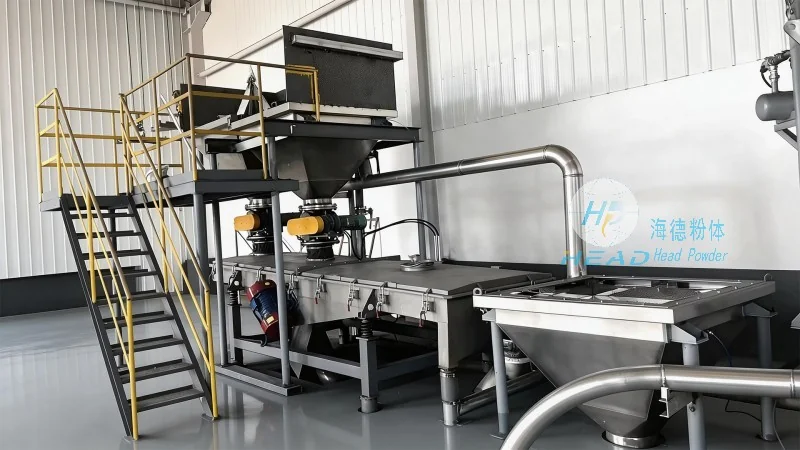
5. Combination Transport Methods
In many industrial settings, a combination of transport methods may be used to optimize slag handling. For example, a pipeline system might be used to transport hot slag from the furnace to a cooling area, followed by a belt conveyor to move the cooled slag to a storage site. This integrated approach allows for efficient processing and reduces the need for multiple handling steps. The choice of combination depends on the specific process flow and the characteristics of the slag being handled. By selecting the appropriate transport method or combination, industrial facilities can improve operational efficiency, reduce costs, and enhance safety in slag management.

 Shandong Headpowder Engineering Co., Ltd.
 156-6277-7102(Quản lý Trương)
  0531-83386006
  Thành phố Tế Nam, Tỉnh Sơn Đông, Trung Quốc
Điện thoại
WeChatTư vấn
Lên đầu